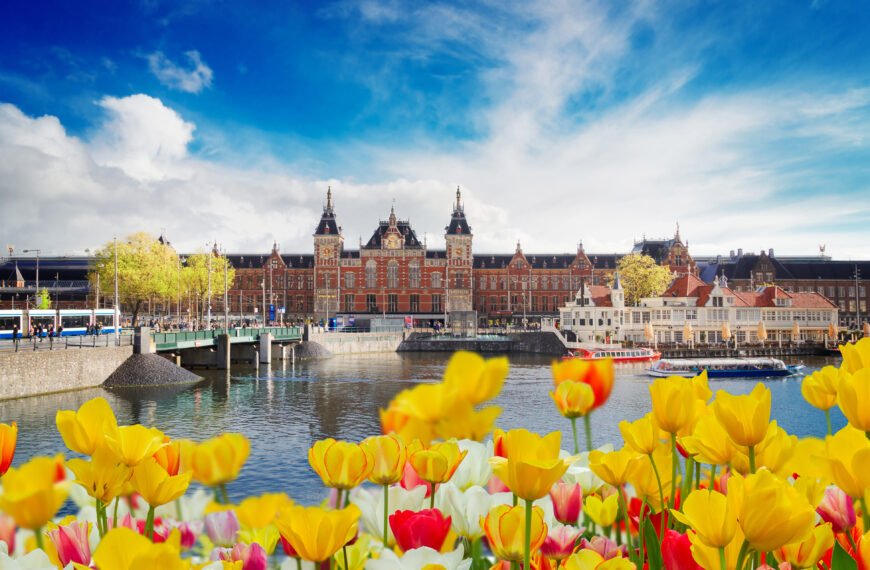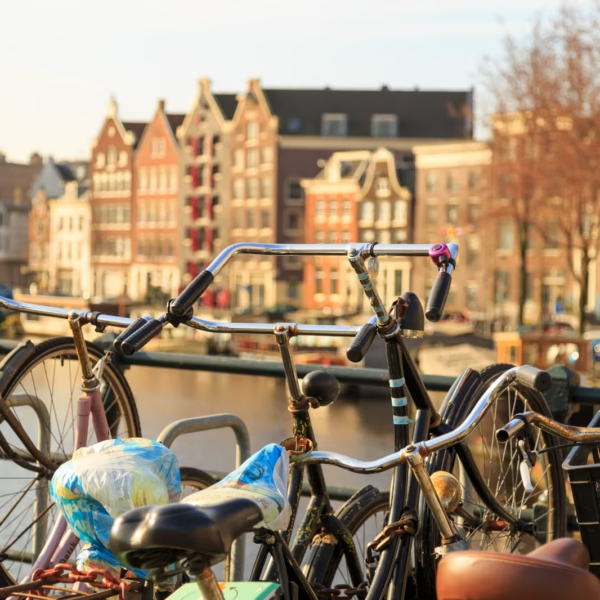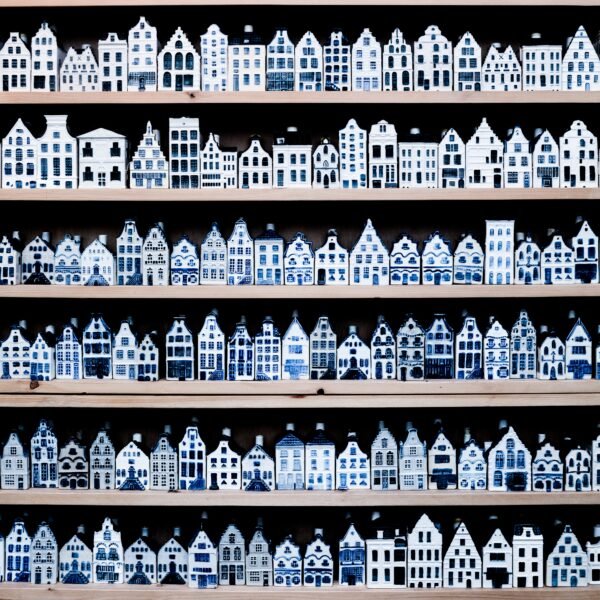

The Dutch housing market is a fascinating blend of historical charm and modern innovation. With its picturesque canals, vibrant cities, and a strong emphasis on sustainability, the Netherlands has become a hotspot for both locals and expatriates/migrants alike. The market is characterized by a mix of rental properties and homes for sale, with a significant portion of the population opting to rent rather than buy.
Like much of the world, this trend is influenced by various factors, including the high cost of homeownership, the transient nature of many residents, and a cultural preference for flexibility. In recent years, the demand for housing has surged, particularly in major cities like Amsterdam, Utrecht, and Rotterdam. Even satellite cites like Haarlem and Leiden have matched pricing. This surge has led to rising prices and a competitive atmosphere that can be daunting for newcomers.
The government has implemented various measures to address the housing shortage, including regulations on rental prices and incentives for new construction. However, despite these efforts, the market remains tight, making it essential for anyone looking to settle in the Netherlands to understand its dynamics thoroughly.
Finding Accommodation in the Netherlands
Choosing the Right Location
The first step in this journey is to determine your preferred location. Each city in the Netherlands has its unique character; Amsterdam is known for its artistic flair and bustling nightlife, while Utrecht offers a more laid-back atmosphere with its historic canals and green spaces. Rotterdam, on the other hand, boasts modern architecture and a thriving cultural scene.
What’s important is to know that even though NS (the Dutch national train system) is expensive, the Netherlands is reasonably small and very well-connected. The Dutch would be surprised if somehow commuted every day from, say Rotterdam to Amsterdam, but there is a major benefit to working in the Netherlands: your employer pays for your transportation, regardless of where you live.
Starting Your Search
Once you’ve pinpointed your ideal neighborhood, it’s time to dive into the search. Online platforms such as Funda, Pararius, and Kamernet are popular starting points for many. These websites provide a wealth of listings that cater to various budgets and preferences but be aware: you’re competing among thousands, including native Dutch, for a finite amount of housing stock. At one point in the not so recent past, the Dutch government asked EU educational institutions to stop sending students – there was no more more available lower-end housing.
Expanding Your Search
Social media groups and local expat forums can also be invaluable resources, as they often feature listings that may not appear on traditional platforms. Networking with locals can lead to hidden gems that might otherwise go unnoticed but again, they’re often attempting to get the same space. However, be prepared for the possibility of viewing multiple properties with teams of fellow seekers before finding the right fit; patience is key in this competitive market.
The Challenges of Renting in the Netherlands
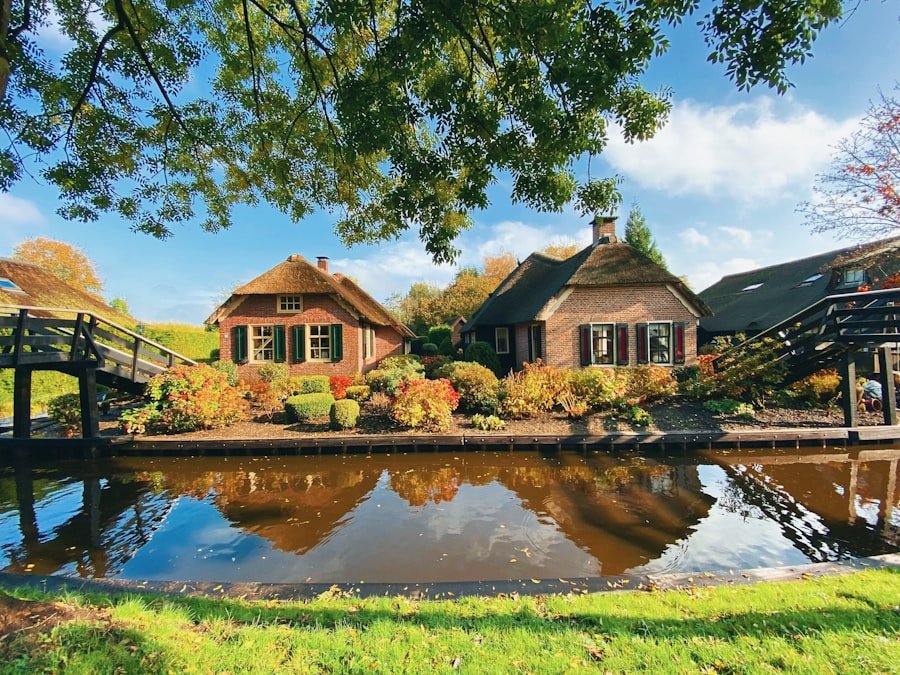
Yes, you want to live there, but the prices will leave your breathless.
Renting in the Netherlands comes with its own set of challenges that can test even the most seasoned house-hunters. One of the most significant hurdles is that fierce competition for rental properties. With demand far outstripping supply in many areas, prospective tenants often find themselves in bidding wars or facing multiple applications for a single property.
This situation can be particularly frustrating for newcomers who may not yet have established connections or a solid understanding of the local market. Another challenge is navigating the complex rental regulations that govern tenant rights and landlord responsibilities. The Dutch rental system is designed to protect tenants, but it can be overwhelming to decipher the rules surrounding rental contracts, price ceilings, and maintenance obligations. They’re are often committees and even approval meetings. Don’t take it personally. If you do rent a unit in a building, there is more likely than not a tenant’s committee guaranteed by law, or you’re allowed to start one. Don’t let an owner bully you and say you’re not. Many foreigners are surprised to find out that the law is is on the tenant’s side, and the government even provides legal assistance and guidance to help you face a bullying landlord.
Additionally, many landlords require extensive documentation, including proof of income and references, which can be daunting for those new to the country. Don’t be surprised if agents come out directly asking how much you make. Understanding these nuances is crucial to avoid potential pitfalls during your rental journey. One important note: the OWNER pays agent fees, not the the perspective tenant. This is law in the Netherlands. Don’t be fooled by “application fees” or payment demands.
Buying Property in the Netherlands
For those considering putting down roots in the Netherlands, buying property can be an appealing option despite its complexities. The process begins with determining your budget and securing financing, which often involves obtaining a mortgage from a Dutch bank. This is often not very easy for foreigners or citizens not from the EEA/EU. It’s essential to familiarize yourself with the various mortgage options available, as they can differ significantly from those in other countries.
Working with a local real estate agent can also provide valuable insights into the market and help you navigate the buying process. Once you’ve secured financing, easier said than done but interest rates are usually a fraction of what you would find in the United States, it’s time to start house hunting. The Dutch property market offers a diverse range of options, from historic canal houses to modern apartments.
One interesting feature of Dutch landscape is the landlease. Often, you will own the physical building but someone else will own the land it’s built on. This is a strange concept for some as even after acquiring the property, you might have to pay a land lease. There are various types, some already paid, and some locked for up to 50 years. Your realtor, by law, must inform you.
However, it’s important to keep in mind that properties in prime locations tend to sell quickly and often at premium prices. Conducting thorough research on neighborhoods and property values will empower you to make informed decisions. Additionally, be prepared for potential renovation costs; many homes may require updates or repairs before they feel like your own.
Navigating the Rental Process in the Netherlands
Navigating the rental process in the Netherlands requires a blend of diligence and strategy. Once you’ve found a property that piques your interest, it’s time to prepare for viewings. Arriving on time and presenting yourself well can make a positive impression on landlords or agents. Don’t be surprised if there’s a crowd waiting to view the same property as well.
During viewings, don’t hesitate to ask questions about the property’s history, maintenance issues, and neighborhood amenities; this information will help you make an informed decision. If you decide to move forward with an application, be prepared to act quickly. In many cases, landlords will choose tenants based on their application materials rather than conducting extensive interviews.
Having your documentation ready—such as proof of income, identification, and references—can give you an edge over other applicants. Having the usual required amount (one month of rent, and two months of rent as deposit) is a given. Once your application is accepted, carefully review the rental contract before signing; understanding your rights and responsibilities as a tenant is crucial for a smooth renting experience.
Tips for Securing Housing in the Netherlands
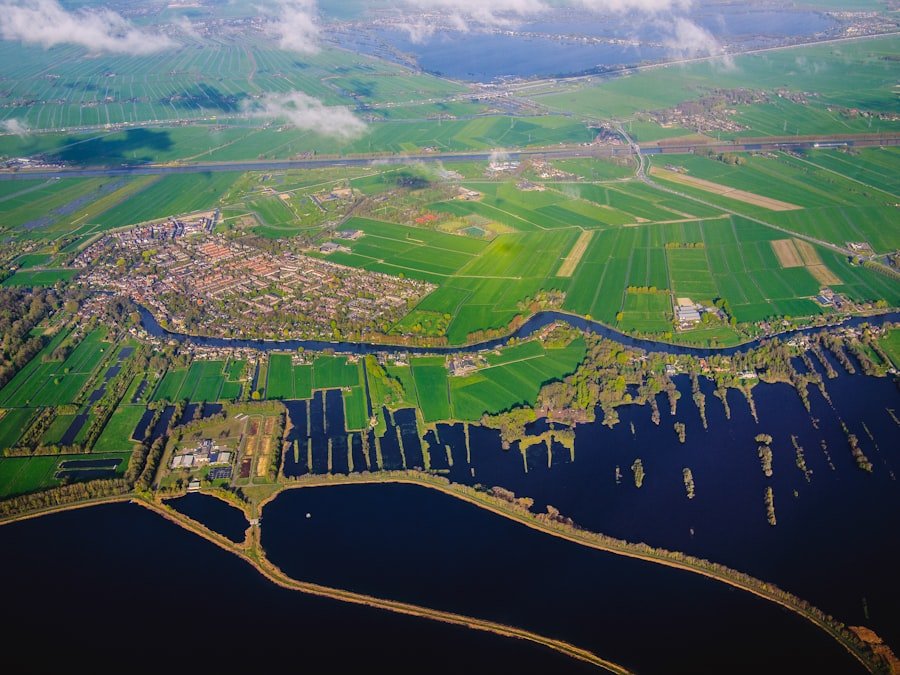
There’s land, but there’s limited housing.
Securing housing in the Netherlands can feel like navigating a maze, but with some strategic tips up your sleeve, you can increase your chances of success. First and foremost, be proactive in your search. Set up alerts on property websites so you’re notified as soon as new listings become available.
This approach allows you to act quickly when you find something that fits your criteria. Networking is another powerful tool in your housing quest. Join local expat groups on social media platforms or attend community events where you can meet people who may have leads on available properties.
Word-of-mouth recommendations can often lead to opportunities that aren’t publicly advertised. Additionally, consider broadening your search criteria; while it’s tempting to focus solely on trendy neighborhoods, exploring nearby areas may yield more affordable options without sacrificing quality of life. North Amsterdam, once a derelict grouping of car repair and junk yards, has become a hot community – and it’s minutes to get to Centraal Station by the metro. In conclusion, while finding accommodation in the Netherlands presents its challenges, understanding the market dynamics and being strategic in your approach can make all the difference.