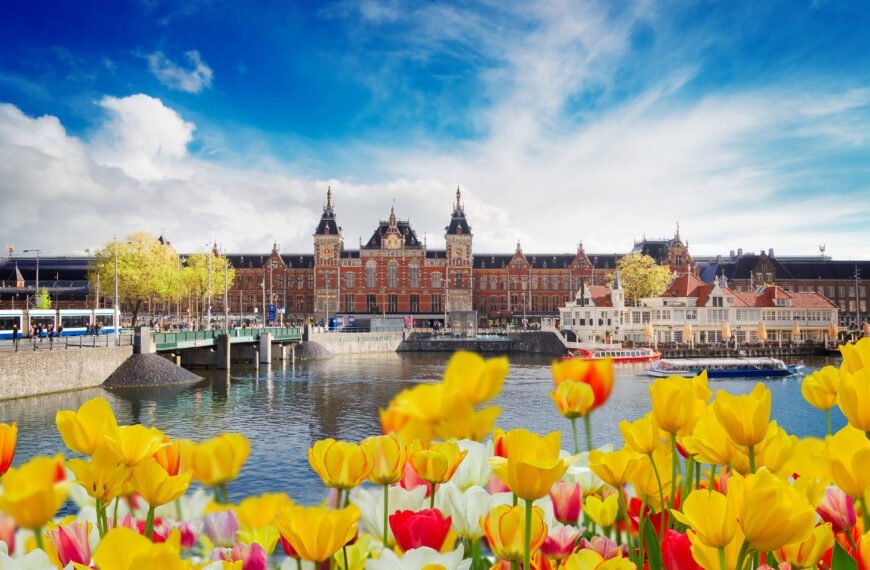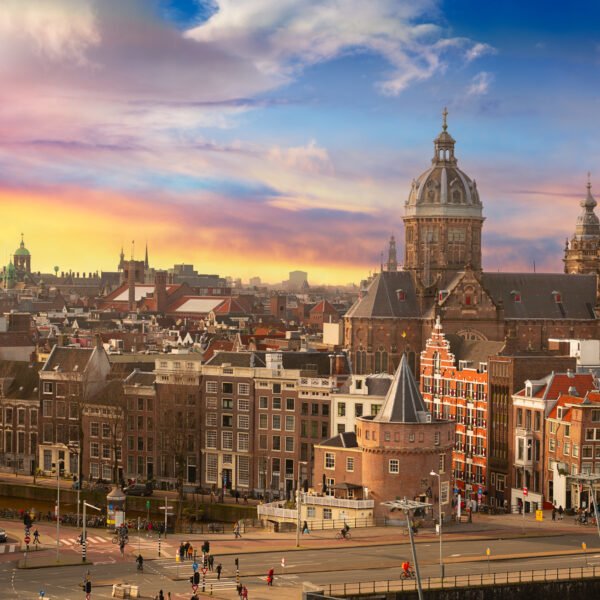

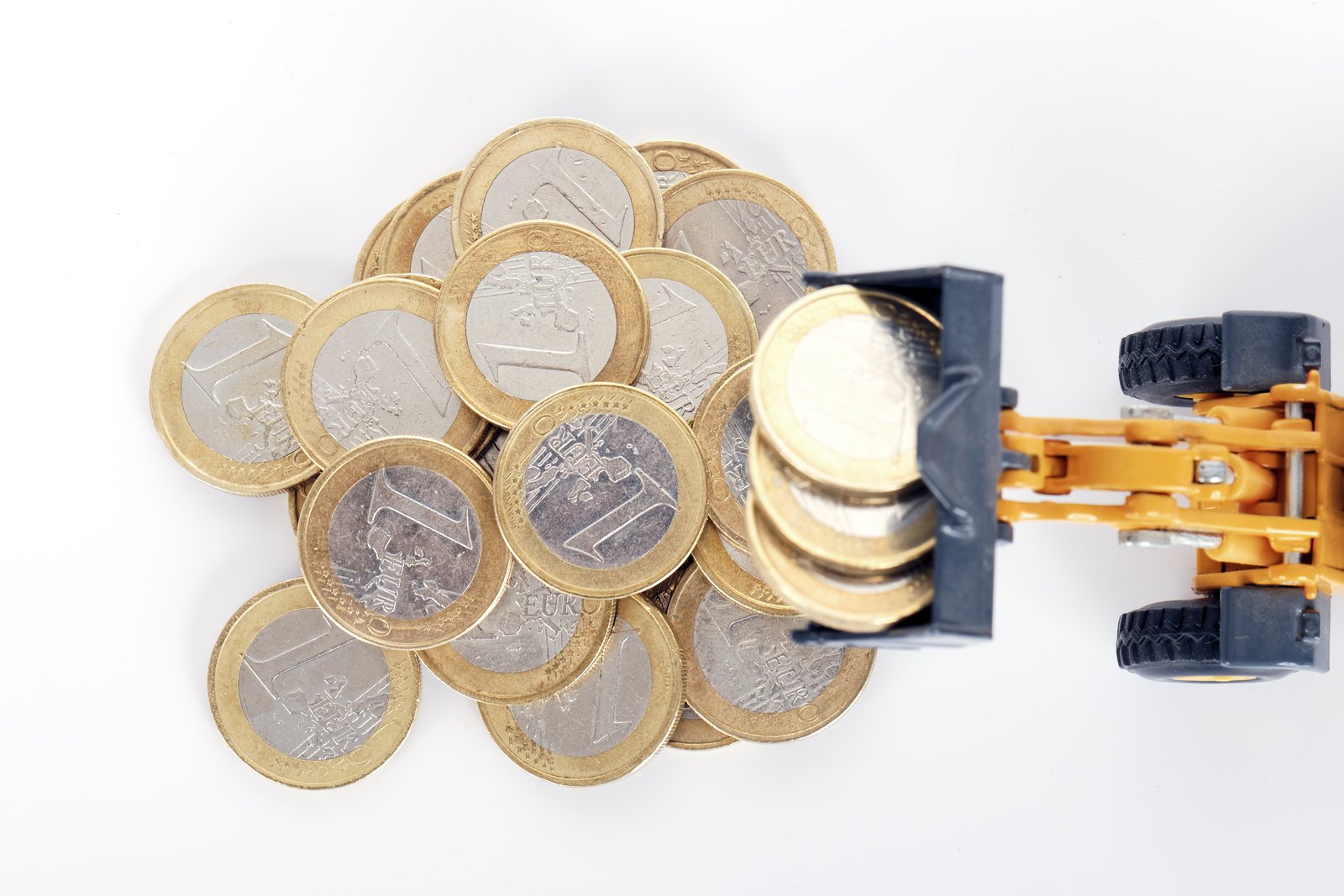
When you think of the Dutch, images of windmills, tulips, and canals might spring to mind. However, lurking beneath this picturesque exterior is a reputation for frugality that has become almost legendary. The Dutch are often seen as a people who know how to stretch a euro, and this perception is not entirely unfounded.
“Going Dutch”, “Dutch Treat” and other expressions are more than cultural stereotypes. There’s some reality behind the myths.
From their penchant for thrift shops to their love for second-hand bicycles, the Dutch have mastered the art of making the most out of what they have. This frugality is not merely a quirk; it’s woven into the very fabric of their culture and daily lives. This reputation can be traced back through history.
The Netherlands has faced its fair share of economic challenges, from the devastation of World War II to the oil crisis in the 1970s. The Netherlands was a relatively poor country with few resources. These experiences have instilled a sense of caution and resourcefulness in the Dutch psyche. As a result, many Dutch people prioritize saving over spending, viewing financial security as a cornerstone of a happy life for many.
This mindset has led to a society where living within one’s means is not just encouraged but celebrated. So, while you might find yourself splurging on that fancy coffee or trendy gadget, your Dutch friend will likely be riding an abused bike and saving for a rainy day.
Cultural Reasons for Dutch Spending Habits
To understand the Dutch approach to spending, one must consider the cultural values that underpin their financial habits. One of the most significant influences is the concept of “gezelligheid,” which translates roughly to coziness or togetherness. This value emphasizes quality time spent with loved ones rather than extravagant purchases.
For many Dutch people, experiences—like a picnic in the park or a bike ride through the countryside—hold more value than material possessions. This cultural inclination towards meaningful experiences over flashy items fosters a mindset where frugality is not seen as deprivation but rather as a pathway to richer life experiences. Moreover, the Dutch have a strong sense of community and social responsibility.
This collective mindset often translates into a reluctance to flaunt wealth or engage in conspicuous consumption. In fact, many Dutch people take pride in their ability to live modestly and sustainably. This cultural ethos encourages individuals to think critically about their purchases and consider their impact on both their wallets and the environment.
As a result, you’ll find that many Dutch households prioritize eco-friendly products and local businesses over mass-produced items, further reinforcing their frugal reputation. The Dutch love bargain shops as much as the next person, but usually, there’s a bit more rationale in their spending habits.
The Impact of Dutch Frugality on Shopping Habits
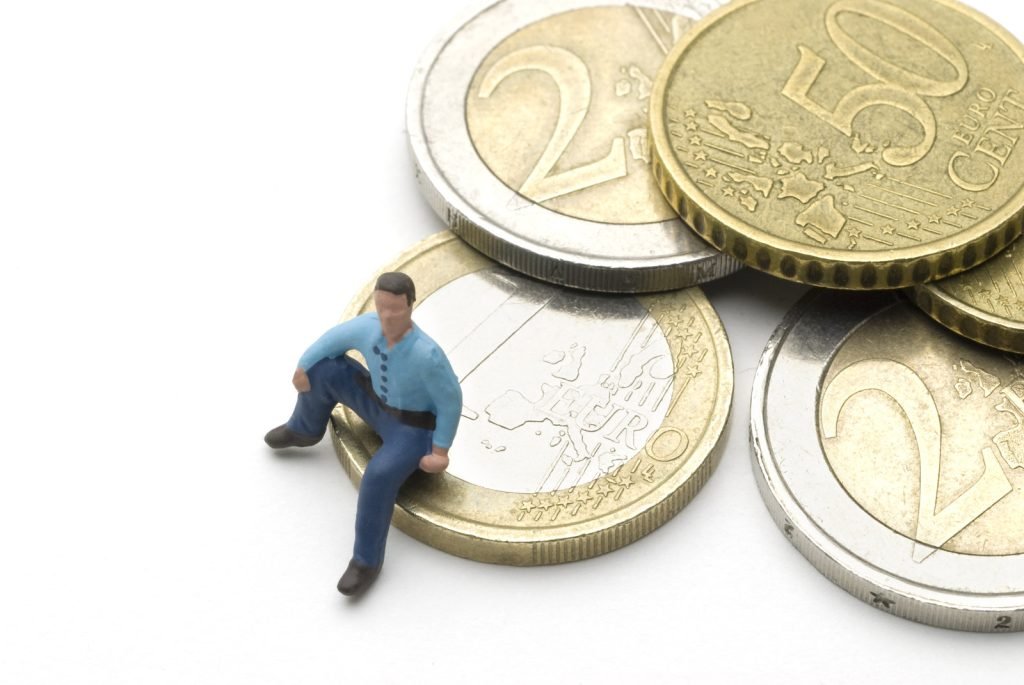
Hoarders of forward-thinkers?
The frugal nature of the Dutch has a profound impact on their shopping habits. For starters, thrift stores are not just an afterthought; they are woven into the shopping landscape. You’ll find an abundance of second-hand shops, some of them incredibly pricey, throughout cities like Amsterdam and Utrecht, where locals hunt for unique clothing, vintage furniture, and even rare books.
This practice not only saves money but also promotes sustainability by giving new life to items that might otherwise end up in landfills. The thrill of finding a hidden gem at a fraction of its original price is an experience cherished by many. Additionally, the Dutch approach to shopping often involves meticulous planning and research.
Before making a purchase, it’s common for individuals to compare prices across various stores and online platforms. This habit stems from a desire to ensure they are getting the best deal possible.
Many Dutch people also take advantage of sales events like American-inspired “Black Friday”, or “Sinterklaas specials,” but they approach these occasions with caution, ensuring that any purchases made are, usually, genuinely needed rather than impulsive buys.
This calculated approach to shopping not only helps them save money but also fosters a sense of satisfaction in making informed decisions.
The Role of Money Management in Dutch Culture
Money management is an integral part of Dutch culture, often taught from a young age. Children grow up learning about budgeting and saving, with many parents instilling the importance of financial literacy early on.
It’s not uncommon for kids to receive an allowance that they must manage themselves, teaching them valuable lessons about spending wisely and saving for future goals.
This early education lays the groundwork for responsible financial behavior in adulthood. In adulthood, this emphasis on money management continues to thrive. Many Dutch people maintain detailed budgets and track their expenses diligently.
The use of apps and online tools for budgeting has become increasingly popular, allowing individuals to monitor their spending habits in real-time. This proactive approach helps them avoid debt and encourages them to save for significant life events, such as buying a home or planning for retirement. The result is a society where financial stability is prioritized, leading to lower levels of personal debt compared to many other countries.
Debunking Stereotypes about Dutch Cheapness
While the Dutch reputation for frugality is well-established, it’s essential to differentiate between being frugal and being cheap. The stereotype that all Dutch people are miserly is not only inaccurate but also unfair. Frugality is often rooted in values like sustainability and community support rather than an unwillingness to spend money.
Many Dutch individuals are more than willing to invest in quality products or experiences that align with their values, especially if it means supporting local businesses or promoting environmental sustainability. Moreover, when it comes to social gatherings or dining out, the Dutch often embrace a “going Dutch” mentality—where everyone pays for their share rather than one person footing the bill. This practice can sometimes be misconstrued as stinginess, but it’s more about fairness and equality in social interactions.
In reality, many Dutch people enjoy treating friends and family when they can afford it; they simply prefer to do so in a way that doesn’t lead to financial strain.

Waar is mijn varken?
In conclusion, while the Dutch reputation for frugality may seem like a stereotype at first glance, it’s deeply rooted in cultural values that prioritize sustainability, community, and meaningful experiences over material wealth.