
The Netherlands is a major dairy exporter, with a significant portion of its milk production being processed for export, particularly within Europe. Approximately 75% of the milk processed in the Netherlands remains within Europe, and about 25% is exported to countries outside of the EU, according to the Nederlandse Zuivel Organisatie. In 2023, the export value of Dutch dairy products was around €10.3 billion, according to vakbladvoedingsindustrie.nl.
From the iconic Gouda to the sharp and tangy Edam, the variety of cheese is as vast as the flat landscapes of the country itself. Each cheese tells a story, reflecting the region it comes from and the traditions that have been passed down through generations. Cheese-making in the Netherlands is not merely a craft; it’s an art form.
The Dutch take immense pride in their cheese, and it’s not uncommon to find locals passionately discussing their favorite varieties at bustling markets or quaint cheese shops. The process of making cheese is steeped in tradition, yet it continues to evolve, embracing modern techniques while honoring age-old methods. Whether you’re a cheese connoisseur or a casual snacker, understanding Dutch cheese opens up a world of flavors and textures that can elevate any meal or gathering.
Understanding the Dutch Cheese System
The Dutch cheese system is a fascinating blend of tradition and regulation, ensuring that quality remains paramount. At the heart of this system is the concept of “Kaas,” which simply means cheese in Dutch. However, it encompasses a wide range of cheeses, each with its own unique characteristics.
The Netherlands has a structured classification system that categorizes cheese based on factors such as aging, texture, and flavor profile. This system not only helps consumers navigate the vast selection but also preserves the integrity of traditional cheese-making practices. One of the most notable aspects of Dutch cheese is its connection to specific regions.
Each area boasts its own specialties, often influenced by local milk sources and production techniques. For instance, Gouda originates from the town of Gouda, while Edam hails from the village of Edam. This regional pride is evident in the way locals celebrate their cheese, often hosting festivals dedicated to their beloved dairy products.
Understanding this system allows you to appreciate not just the taste but also the cultural significance behind each bite.
Exploring the Different Aging Categories: Jong, Belegen, and Oude
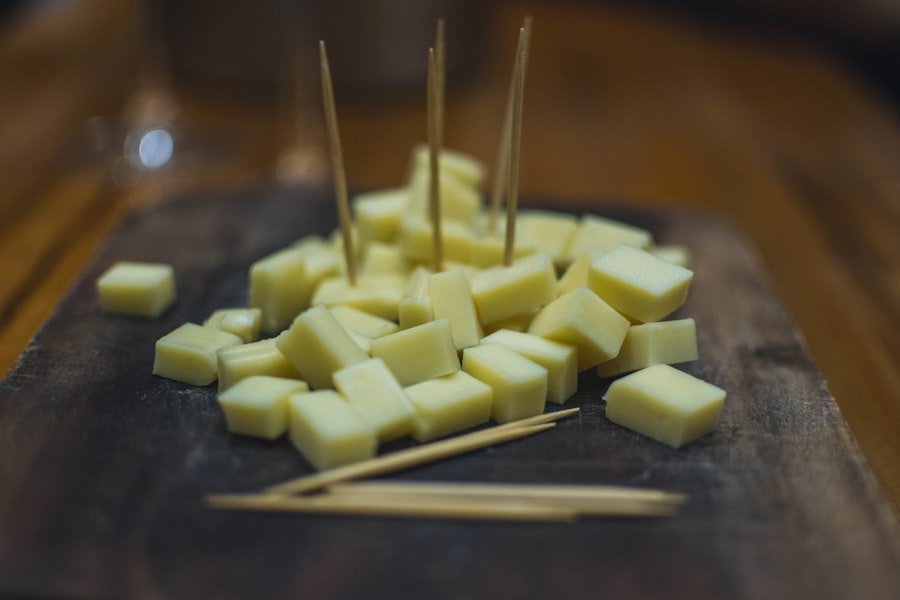
Try the borrelplanck
When it comes to Dutch cheese, aging is a crucial factor that significantly impacts flavor and texture. The three primary aging categories are Jong (young), Belegen (aged), and Oude (old). Each category offers a distinct experience for your palate.
Jong cheese is typically aged for about four weeks and has a mild, creamy flavor that makes it perfect for snacking or melting into dishes. It’s often favored by those who prefer a subtle taste without overwhelming sharpness. Belegen cheese strikes a balance between Jong and Oude, usually aged for about five to ten months.
This category is where things start to get interesting. Belegen cheese develops a more complex flavor profile, with nutty undertones and a firmer texture compared to its younger counterpart. It’s versatile enough to be enjoyed on its own or paired with various accompaniments.
As you move into Oude cheese territory, which is aged for over ten months, you’ll encounter a robust flavor that can be quite intense. The aging process concentrates the flavors, resulting in a sharpness that can be both delightful and challenging for some.
What Makes Belegen Cheese Unique?
Belegen cheese holds a special place in the hearts of many cheese lovers for several reasons. First and foremost, its flavor profile is a delightful middle ground between Jong and Oude cheeses. This makes it an excellent choice for those who want to explore more complex flavors without diving headfirst into the sharpness of an aged cheese.
The nutty and slightly sweet notes of Belegen create a harmonious balance that pairs beautifully with various foods and beverages. Another aspect that sets Belegen apart is its texture. As it ages, Belegen cheese becomes firmer yet retains a certain creaminess that makes it incredibly enjoyable to eat.
It’s not too crumbly like some older cheeses, nor is it overly soft like younger varieties. This unique texture allows it to be sliced thinly for sandwiches or grated over pasta dishes without losing its character. Additionally, Belegen cheese often carries a hint of caramelization from the aging process, adding an extra layer of depth to its flavor.
The Process of Making Extra Belegen Cheese
Creating Extra Belegen cheese is an intricate process that requires skill and patience. The journey begins with high-quality milk sourced from local dairy farms, where cows graze on lush pastures filled with wildflowers and grasses. This rich diet contributes to the milk’s flavor profile, which is crucial for producing exceptional cheese.
Once the milk arrives at the dairy, it undergoes pasteurization before being combined with rennet and cultures to initiate curd formation. After curds are formed, they are cut into small pieces and gently heated to release whey. This step is vital as it influences the final texture of the cheese.
The curds are then pressed into molds and left to drain for several hours before being salted. The salting process not only enhances flavor but also acts as a preservative.
Once salted, Extra Belegen cheese is aged for an extended period—typically around 10 months—allowing it to develop its signature taste and texture.
During this time, cheesemakers monitor humidity and temperature closely to ensure optimal aging conditions.
The exception: Old Amsterdam, which is artificially aged but probably one of the tastiest cheeses available in the Netherlands.
Pairing Belegen and Extra Belegen Cheese with Accompaniments
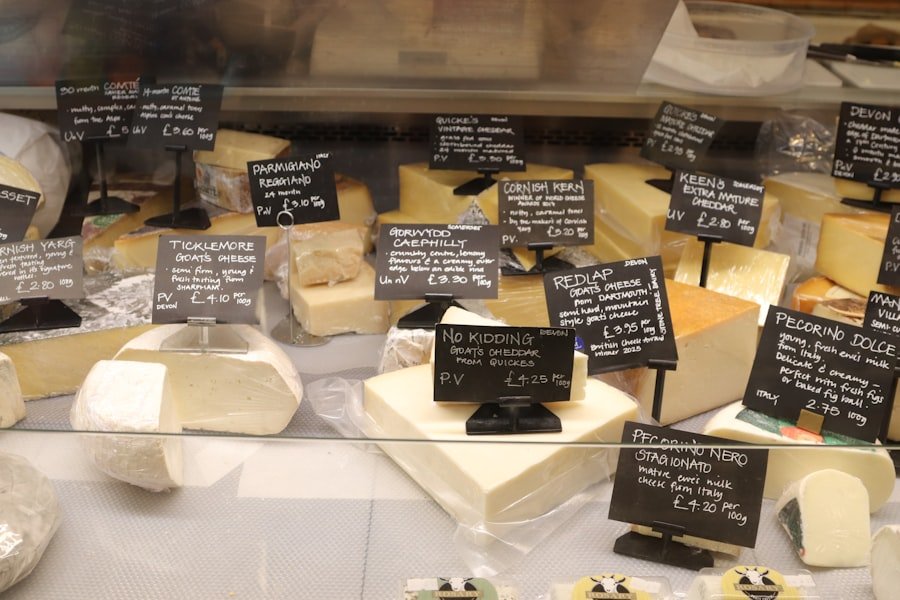
Skip the tourist trap cheese shops – go local or head to the grocery store.
Sweet and Savory Combinations
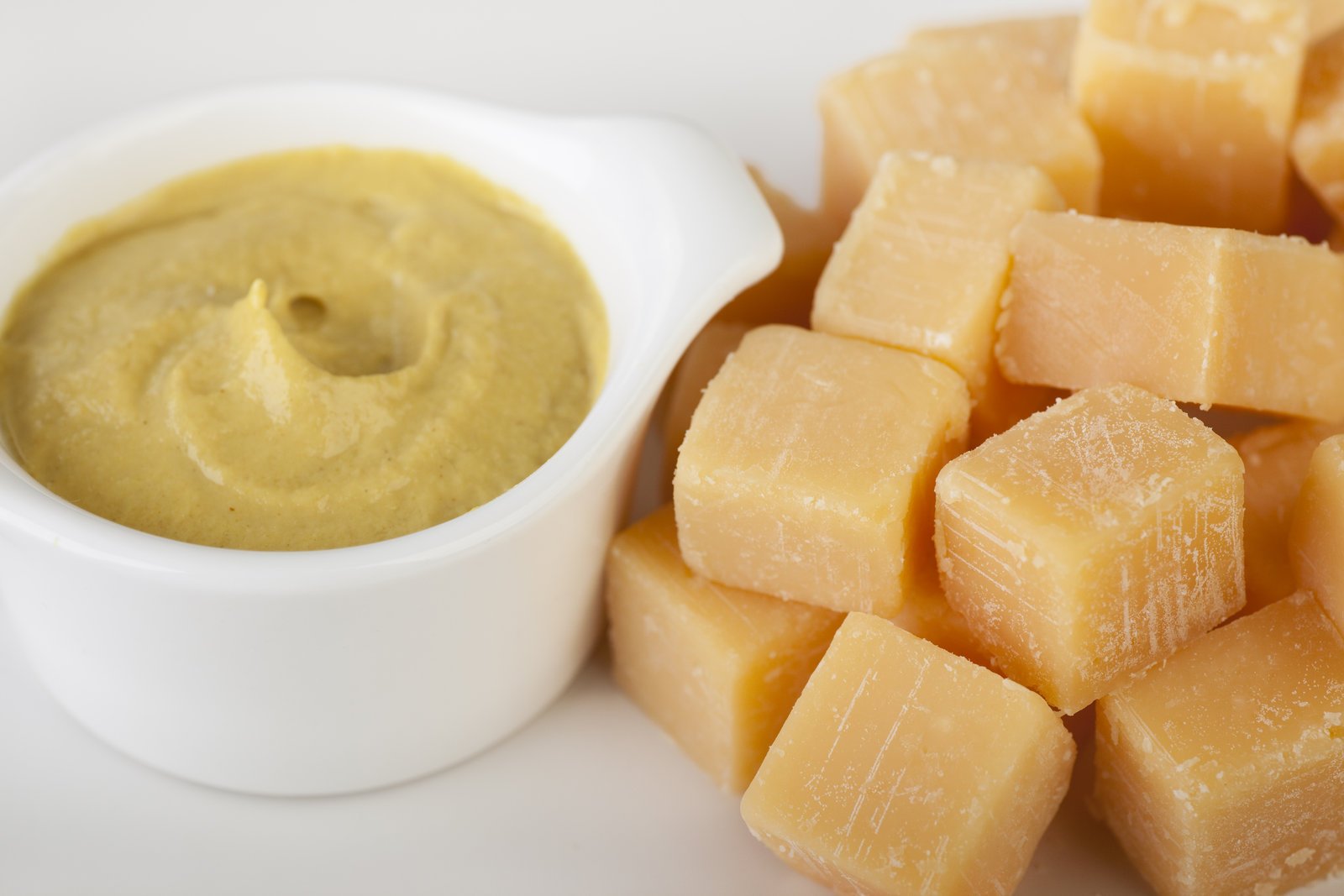
The nutty flavors of Belegen make it an excellent companion for sweet elements like honey or fig jam. A simple platter featuring slices of Belegen alongside fresh fruit such as apples or pears creates a delightful contrast that tantalizes the taste buds. Mustard cannot be far off with Dutch cheese as well.
Adding Crunch and Texture
For those who enjoy a bit of crunch, consider adding some toasted nuts or crackers to your spread. This adds a satisfying texture to your cheese platter and complements the flavors of the Belegen cheese.
Wine and Chocolate Pairings
When it comes to Extra Belegen cheese, its robust flavor profile opens up even more pairing possibilities. A glass of full-bodied red wine complements the sharpness beautifully, while a crisp white wine can provide a refreshing counterbalance. If you’re feeling adventurous, try pairing Extra Belegen with dark chocolate; the bitterness of the chocolate enhances the cheese’s complexity in an unexpected yet delightful way.
Where to Find Belegen and Extra Belegen Cheese
Finding quality Belegen and Extra Belegen cheeses can be an adventure in itself. In the Netherlands, local markets are treasure troves for cheese lovers. Strolling through these markets allows you to sample various cheeses while chatting with passionate cheesemakers who are eager to share their knowledge.
Many towns host weekly markets where you can find artisanal cheeses alongside other local products like bread and cured meats. If you’re outside of the Netherlands, don’t fret! Many specialty cheese shops around the world carry Dutch cheeses, including Belegen and Extra Belegen varieties.
Online retailers have also made it easier than ever to access these delicious cheeses from the comfort of your home. Look for shops that prioritize quality and source their products directly from Dutch dairies for an authentic experience.
Incorporating Belegen and Extra Belegen Cheese into Recipes
Incorporating Belegen and Extra Belegen cheeses into your cooking can add depth and richness to your dishes. One simple yet delicious way to use these cheeses is by grating them over pasta dishes or risottos just before serving. The heat from the dish will melt the cheese slightly, creating a creamy texture that enhances every bite.
For those who enjoy baking, consider adding shredded Belegen cheese to savory scones or muffins for an unexpected twist on traditional recipes. You can also create a delightful quiche by mixing eggs with sautéed vegetables and generous chunks of Extra Belegen cheese for added flavor complexity. The possibilities are endless when it comes to using these cheeses in your culinary creations; they can transform everyday meals into gourmet experiences.
In conclusion, Dutch cheese—especially varieties like Belegen and Extra Belegen—offers an incredible journey through flavor and tradition. From understanding its classification system to exploring pairing options and recipes, there’s so much to discover about this beloved dairy product.
So whether you’re enjoying a slice on its own or incorporating it into your favorite dish, take a moment to appreciate the craftsmanship behind every bite of Dutch cheese.
FAQs
What is Belegen cheese?
Belegen cheese is a type of Dutch cheese that falls between the mild jong cheese and the aged oud cheese in terms of flavor and texture. It is known for its semi-hard texture and slightly tangy taste.
How is Belegen cheese made?
Belegen cheese is typically made from cow’s milk and goes through a process of pasteurization, curdling, pressing, and aging. The aging process for Belegen cheese usually lasts between 4 to 6 months.
What is the Dutch cheese system?
The Dutch cheese system categorizes cheeses based on their age and flavor profile. It includes categories such as jong (young), belegen (mature), oud (old), and overjarig (extra old). Each category represents a different stage of aging and flavor intensity.
What are the characteristics of Belegen cheese?
Belegen cheese is known for its semi-hard texture, slightly crumbly consistency, and a slightly tangy and nutty flavor. It has a golden-yellow color and a smooth rind.
How is Belegen cheese typically used?
Belegen cheese is often used for snacking, sandwiches, and cheese platters. It can also be grated and used in cooking, such as in soups, sauces, and gratins.