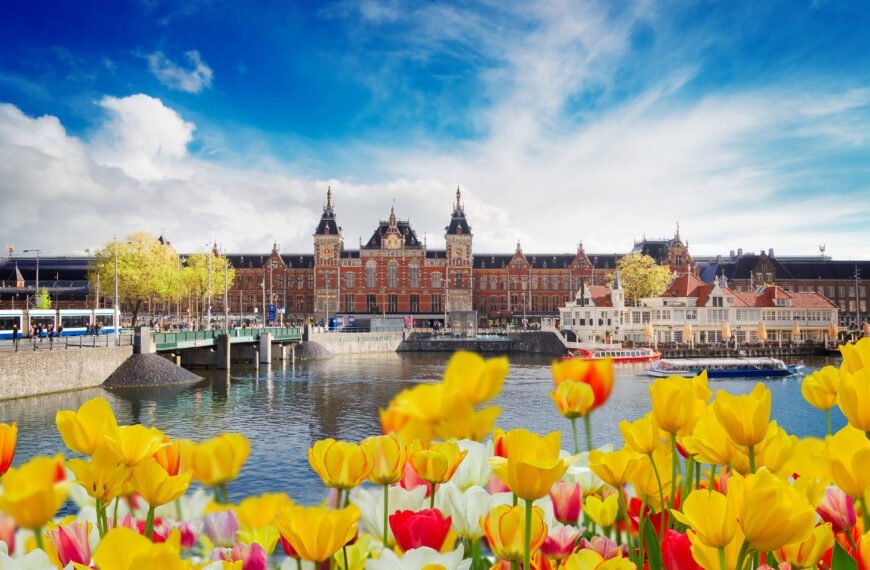
When you think of the Netherlands, you might picture tulip fields, windmills, and canals. But there’s another aspect of Dutch culture that stands out just as vividly: directness.
This characteristic is often surprising to outsiders, especially those hailing from cultures where indirect communication is the norm.
In the Netherlands, people tend to say what they mean and mean what they say, often without the sugarcoating that many are accustomed to. This straightforwardness can be refreshing, but it can also lead to misunderstandings if one isn’t prepared for it. Dutch directness is not merely a quirk of personality; it’s deeply rooted in the country’s history and social fabric.
The Dutch have a reputation for being pragmatic and efficient, and their communication style reflects these values. In a world where ambiguity can lead to confusion, the Dutch prefer clarity. This article will explore the cultural context of this directness, its advantages and disadvantages, and how it plays out in both professional and social settings.
The Cultural Context of Dutch Directness
To understand Dutch directness, one must first appreciate the cultural backdrop against which it has developed. The Netherlands has a long history of trade and commerce, which has fostered a culture that values honesty and transparency. In a society where people often rely on one another for business dealings, being straightforward is not only practical but essential.
This cultural norm has been passed down through generations, creating a society that prioritizes open dialogue over veiled hints.
Moreover, the Dutch value egalitarianism.
In their eyes, everyone deserves respect, regardless of status or position.
This belief translates into communication styles that are often devoid of hierarchy. Whether you’re speaking with a CEO or a barista, you can expect the same level of candor. This egalitarian approach can be disarming for those from cultures where deference is customary, but it also fosters an environment where ideas can be exchanged freely and without pretense.
The Pros and Cons of Dutch Directness
Like any cultural trait, Dutch directness comes with its own set of advantages and disadvantages. On the positive side, this communication style promotes efficiency. When people express their thoughts openly, misunderstandings are minimized, and decisions can be made more swiftly.
In a world where time is often equated with money, this straightforwardness can be a significant asset in both personal and professional contexts. However, there are downsides to this approach as well. For those unaccustomed to such frankness, Dutch directness can feel abrasive or even rude.
What might be intended as constructive criticism can sometimes come across as harsh or insensitive. This can lead to hurt feelings or strained relationships, particularly among those who are used to more nuanced forms of communication. It’s essential to recognize that while directness is valued in Dutch culture, it may not always translate well across cultural boundaries.
Dutch Directness in Business and Professional Settings
In the realm of business, Dutch directness is often seen as a double-edged sword. On one hand, it fosters an environment where ideas can be shared openly and feedback is given candidly. Meetings tend to be efficient, with participants encouraged to voice their opinions without fear of offending others.
This can lead to innovative solutions and a more dynamic workplace culture. On the other hand, international companies operating in the Netherlands may find themselves navigating a minefield of cultural differences. For instance, an American executive might be taken aback by the blunt feedback from a Dutch colleague who believes they are simply being helpful.
Understanding that this directness is not meant to be personal can help bridge the gap between different communication styles. It’s crucial for expatriates and foreign business partners to adapt their expectations and learn how to interpret this straightforwardness in a constructive manner.
Navigating Dutch Directness in Social Interactions
Social interactions in the Netherlands can be equally revealing when it comes to directness. Friends and acquaintances often engage in open discussions about personal matters that might remain unspoken in other cultures. This candor can create strong bonds among individuals who appreciate honesty over superficial pleasantries.
However, newcomers may find themselves feeling exposed or uncomfortable when faced with such forthrightness. For example, imagine attending a dinner party where guests openly discuss their opinions on each other’s life choices or career paths. While this might seem intrusive to someone from a more reserved culture, it’s simply how many Dutch people connect with one another.
Embracing this aspect of social life can lead to deeper relationships, but it requires a willingness to engage in conversations that may feel too personal at first.
How to Communicate Effectively with Dutch Directness

Get to the point in the Netherlands
If you find yourself in a situation where you need to communicate with someone from the Netherlands, understanding how to navigate their directness can make all the difference. First and foremost, embrace honesty in your interactions. If you have feedback or an opinion, don’t hesitate to share it—just remember to do so respectfully. The Dutch are generally surprised when foreigners are direct back, but it’s usually well-received.
The Dutch appreciate sincerity and will likely respond positively if they sense you are being genuine. Another key aspect is to avoid taking things personally. When someone offers constructive criticism or points out an issue, it’s not necessarily an attack on your character; rather, it’s an opportunity for growth or improvement.
By adopting this mindset, you’ll find it easier to engage in meaningful conversations without feeling defensive or hurt.
The Impact of Dutch Directness on Personal Relationships
In personal relationships, Dutch directness can serve as both a blessing and a challenge. On one hand, it fosters transparency and trust between partners or friends. When both parties feel comfortable expressing their thoughts openly, misunderstandings are less likely to arise, leading to healthier relationships overall.
This level of honesty can create a strong foundation for lasting connections. However, the same directness that strengthens relationships can also lead to conflict if not managed carefully. For instance, if one partner is accustomed to softer communication styles while the other embraces blunt honesty, friction may occur during disagreements.
It’s essential for individuals in such relationships to find common ground and establish boundaries around how they communicate with one another.
Embracing or Resisting Dutch Directness: Navigating Cultural Differences
Ultimately, whether one chooses to embrace or resist Dutch directness depends on individual preferences and experiences. For some, this straightforward approach is liberating; it cuts through the noise and allows for authentic connections without pretense. Others may find it challenging or even off-putting, especially if they come from cultures that prioritize subtlety and nuance.
Navigating these cultural differences requires an open mind and a willingness to adapt. If you’re visiting the Netherlands or interacting with Dutch individuals abroad, consider observing their communication style before jumping in yourself. By doing so, you’ll gain valuable insights into how best to engage with them while respecting their cultural norms.
In conclusion, Dutch directness is a fascinating aspect of the Netherlands’ cultural identity that offers both opportunities and challenges for those who encounter it. By understanding its roots and implications in various contexts—be it business or personal relationships—you can better navigate this unique communication style and perhaps even learn to appreciate its refreshing honesty along the way.