
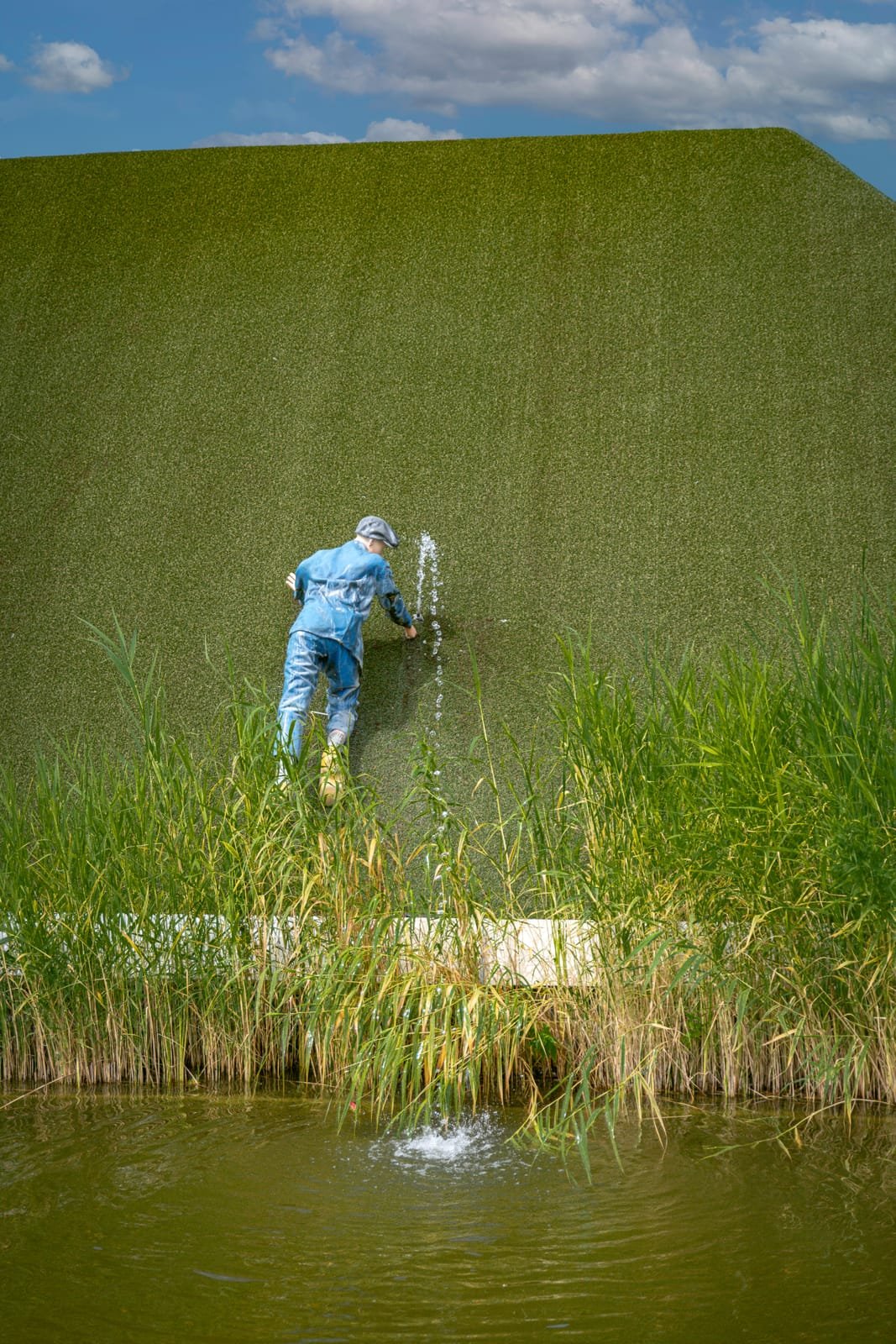
The tale of Hans Brinker is a cornerstone of Dutch (and many others) folklore, often romanticized and embellished over the years. Most people know him as the boy who heroically plugged a leaking dike with his finger, saving his village from disaster. This story, while captivating, is more fiction than fact.
The character of Hans Brinker was popularized by American author Mary Mapes Dodge in her 1865 novel “Hans Brinker, or The Silver Skates.” Dodge’s narrative, while rooted in Dutch culture, took creative liberties that transformed a simple tale into a legendary saga. In reality, the story of a boy saving a village by plugging a dike is not a historical account but rather a narrative device. The Netherlands has a long history of battling water, with dikes being crucial to its survival.
However, the specific story of Hans Brinker lacks historical evidence. Instead, it serves as a metaphor for bravery and selflessness, qualities that resonate deeply within Dutch culture. The legend has become a symbol of national pride, illustrating the importance of community and individual responsibility in the face of adversity.
The Real Story Behind the Boy Who Plugged the Dike
While Hans Brinker may not be a historical figure, the themes in his story reflect real challenges faced by the Dutch people. The Netherlands is a country built on water management; about one-third of its land lies below sea level. The struggle against flooding has shaped the nation’s identity and infrastructure.
Dikes, canals, and pumps are not just engineering feats; they are lifelines for millions. Water has been both the savior (flooded fields proved difficult for horse, tanks and marching soldiers) and catastrophic nightmares (floods and dramatic death tolls were common) for the Netherlands. The tale of a boy plugging a dike resonates because it embodies the spirit of resilience. In reality, many individuals have contributed to the ongoing battle against and to contol water in the Netherlands.
Engineers and laborers have worked tirelessly to maintain and improve the country’s water management systems. While Hans Brinker may be fictional, the dedication to protecting the land is very much real.
This connection between folklore and reality highlights how stories can inspire action and instill values in society.
The Role of the Water Board in Dutch History and Folklore
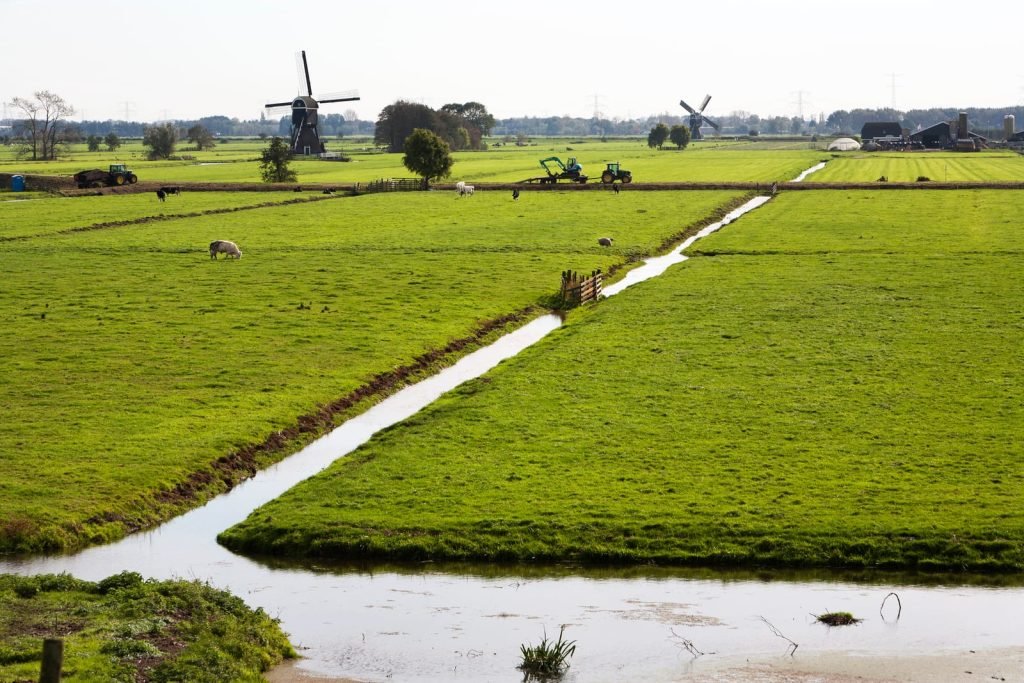
A polder, or the area of land between waterways, literally rise out of the drained water
The Water Board, or “Waterschap,” plays a crucial role in managing water resources in the Netherlands. Established centuries ago and now the oldest functioning bureaucracy in the world, these local authorities oversee dike maintenance, flood control, and water quality. Their significance cannot be overstated; they are essential to the safety and sustainability of Dutch communities. It is everyone’s legal duty to maintain the edge of the land touching the water.
The Water Board’s history intertwines with that of Hans Brinker, as both represent the ongoing struggle against water. In folklore, the Water Board symbolizes collective responsibility. Just as Hans Brinker took it upon himself to save his village, members of the Water Board work together to protect their communities from flooding.
This shared commitment fosters a sense of unity among citizens. The Water Board’s influence extends beyond practical matters; it also serves as a reminder of the importance of civic engagement and environmental stewardship.
Exploring the Symbolism of Hans Brinker in Dutch Culture
Hans Brinker has become an enduring symbol in Dutch culture, representing courage and self-sacrifice. His story encapsulates the values that many Dutch people hold dear: community spirit, resilience, and a proactive approach to challenges. The image of a young boy bravely facing danger resonates with both children and adults alike, making it an effective vehicle for teaching important life lessons.
Moreover, Hans Brinker embodies the Dutch relationship with water. The Netherlands is a nation defined by its geography; water is both a threat and a source of beauty. By embracing this duality through stories like that of Hans Brinker, Dutch culture acknowledges its vulnerabilities while celebrating its triumphs.
This symbolism reinforces national identity and fosters pride in the country’s achievements in water management.
The Impact of the Hans Brinker Legend on Dutch Tourism
The legend of Hans Brinker has had a significant impact on Dutch tourism. Visitors flock to the Netherlands to experience its rich history and culture, often seeking out locations associated with this beloved tale. From museums to themed attractions, the story has been woven into the fabric of Dutch tourism, drawing people from around the globe.
Tourism initiatives often highlight Hans Brinker as part of broader campaigns to promote Dutch heritage. For example, events celebrating traditional skating on frozen canals evoke images from Dodge’s novel, attracting both locals and tourists alike. This connection between folklore and tourism not only boosts the economy but also fosters cultural exchange, allowing visitors to engage with Dutch traditions in meaningful ways.
Hans Brinker: From Folklore to Literary Classic
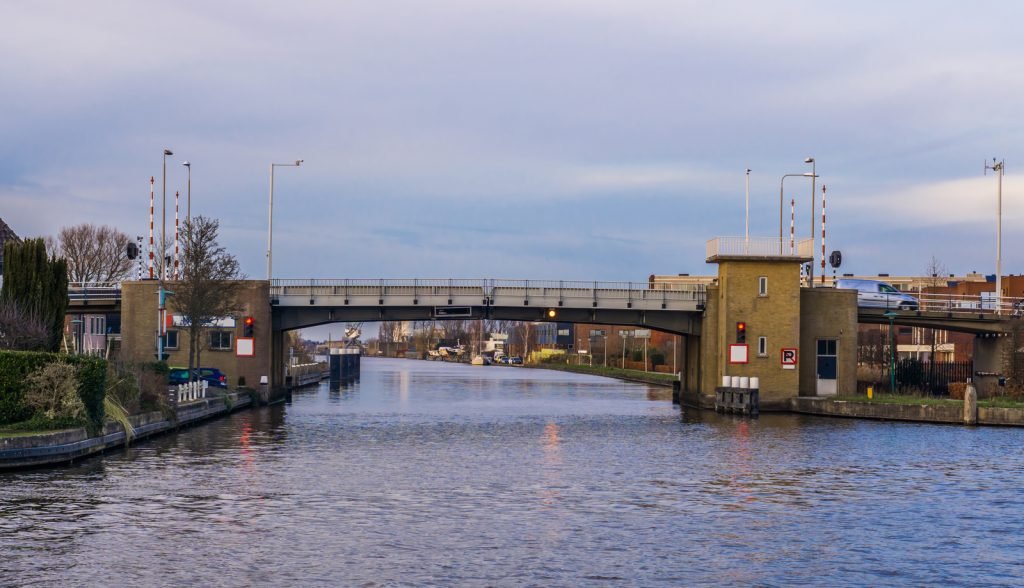
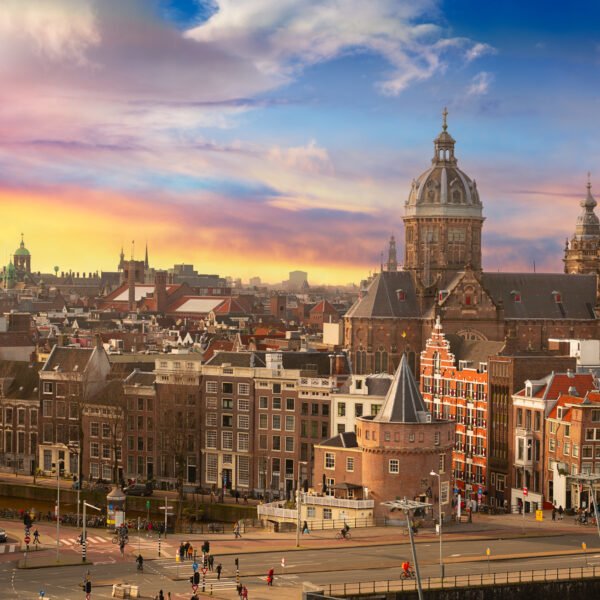
The waterway is as important as roadway
Mary Mapes Dodge’s “Hans Brinker, or The Silver Skates” has transcended its origins as a simple folktale to become a literary classic. The novel introduced readers to not only Hans but also his sister Gretel and their adventures in pursuit of skating glory. Dodge’s storytelling captured the imagination of generations, making it an essential part of children’s literature.
The book’s themes extend beyond mere entertainment; they explore family bonds, perseverance, and the joy of competition. Dodge’s vivid descriptions of Dutch landscapes and customs provide readers with an immersive experience that goes beyond the plot. As a result, “Hans Brinker” remains relevant today, continuing to inspire new adaptations and interpretations across various media.
The Legacy of Hans Brinker in Children’s Literature
The legacy of Hans Brinker extends far beyond Dodge’s original work.
His story has inspired countless adaptations in children’s literature, each adding new layers to his character and adventures.
From picture books to animated films, Hans has become an archetype for bravery and determination in young readers’ minds.
These adaptations often emphasize themes such as teamwork and friendship while maintaining the core message of resilience against adversity. By introducing children to Hans Brinker’s story, authors encourage them to embrace challenges and work together for common goals. This legacy ensures that future generations will continue to learn from Hans’s example while enjoying engaging narratives that spark their imaginations.
Hans Brinker and the Power of Folktales in Shaping Cultural Identity
Folktales like that of Hans Brinker play a vital role in shaping cultural identity. They serve as vehicles for transmitting values, traditions, and historical experiences from one generation to another. In the case of Hans Brinker, his story encapsulates essential aspects of Dutch culture: resilience in the face of adversity and communal responsibility.
As societies evolve, these tales adapt to reflect contemporary issues while retaining their core messages. The enduring popularity of Hans Brinker demonstrates how folklore can bridge past and present, fostering a sense of belonging among individuals within a culture. By engaging with these stories, people connect with their heritage while also finding inspiration for their own lives.
The legend of Hans Brinker is more than a charming tale; it is a reflection of Dutch culture and values. From its roots in folklore to its impact on tourism and children’s literature, Hans’s story continues to resonate today. As you explore this rich narrative, consider how it shapes your understanding of resilience and community spirit—qualities that are just as relevant now as they were when Dodge first penned her classic tale.