
The Beginning of a Bike Nation

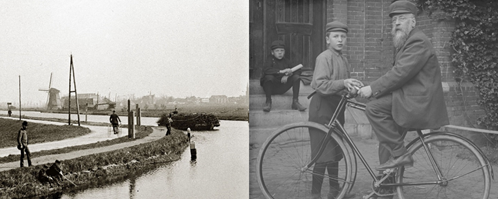

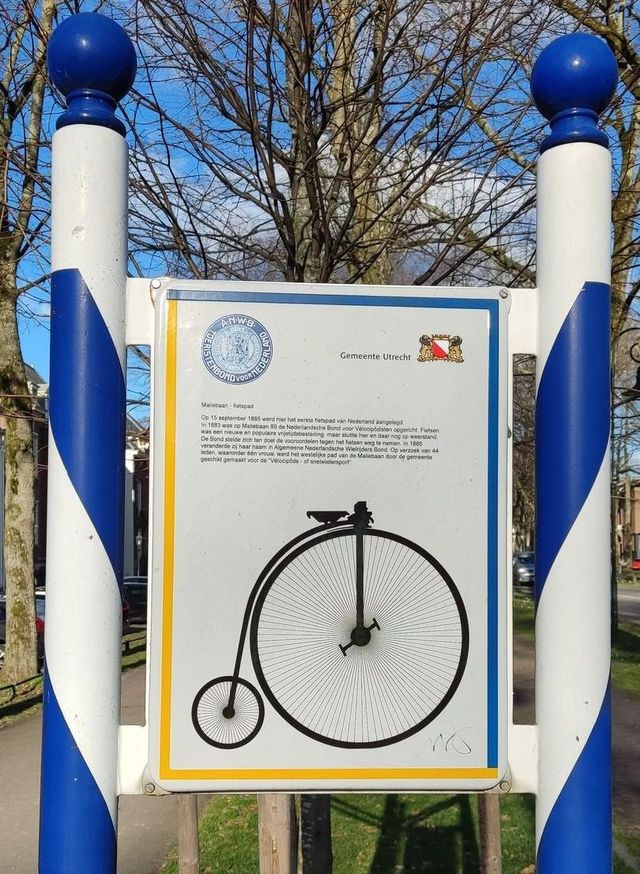


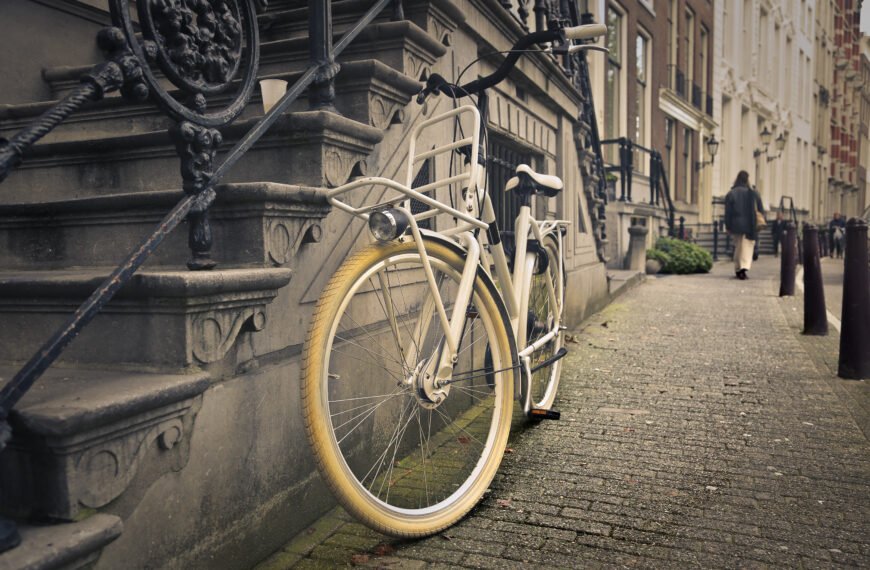
The Dutch love affair with the bicycle goes back more than a century. By 1910, the Netherlands already claimed the highest bicycle-use per capita in the world. (Holland.com) Several factors help explain this early trend:
- Flat terrain and compact cities made cycling practical over many everyday distances. (Cpb)
- The advent of reliable, affordable bikes (including the so-called “granny bike”) broadened access. (Holland.com)
- Early path building: one of the first dedicated lanes in Utrecht opened in 1885. (DutchReview)
At that stage the infrastructure was modest. Cycling was common, but cars were gaining ground.
Crisis, Activism and a Shift in Policy
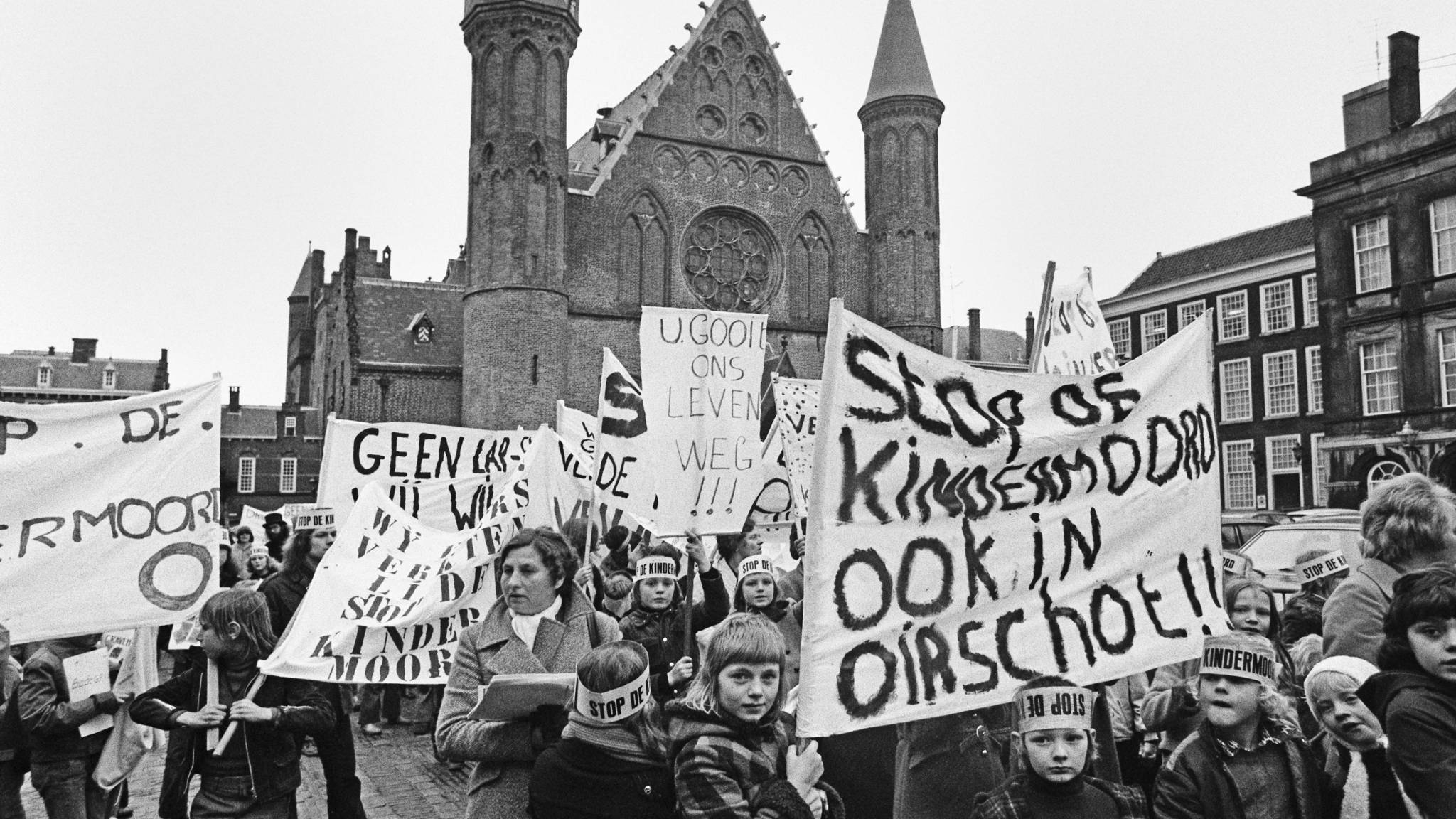


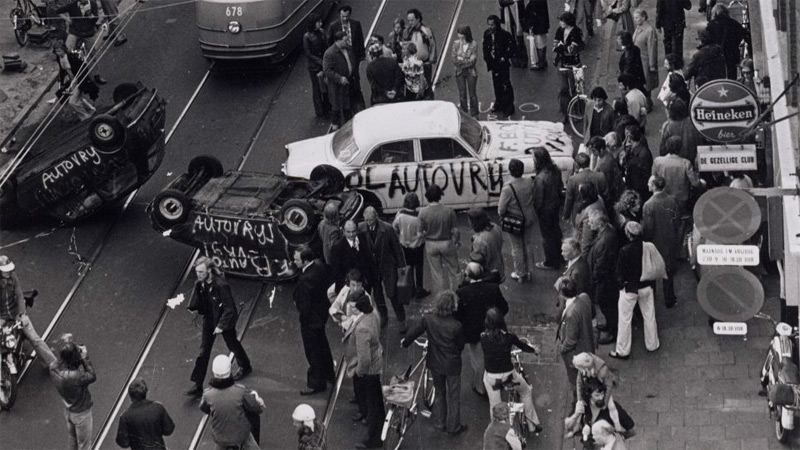
The turning point arrived in the 1970s. A surge in traffic deaths—including many children—spawned the protest movement Stop de Kindermoord (“Stop the Child Murder”). (cursor.tue.nl) At the same time the 1973 oil crisis pushed fuel costs up. These two forces combined to elevate cycling from everyday choice into political-priority.
In response:
- The national government began to fund cycling infrastructure. For example, the 1976-1980 plan subsidised 80% of urban cycling construction costs. (international.fhwa.dot.gov)
- Cities reevaluated their design: schools, shops, and services were planned within easy cycling distance; road space was reconsidered. (DutchReview)
- The “polder model” (consensus decision-making) allowed cyclists, local authorities, engineers, and activists to collaborate on what good infrastructure should be. (cursor.tue.nl)
Because of this shift, the Netherlands moved from car-dominant planning to a more mixed model where cycling played a key role.
Building the Network and Making it Safe


A central pillar is infrastructure: high-quality, continuous cycling paths, with strong emphasis on safety, comfort, and clarity. Some highlights:
- A national design manual, CROW Design Manual for Bicycle Traffic, laid out principles such as cohesion, directness, attractiveness, safety, and comfort. (DCE)
- Infrastructure features: red-coloured asphalt bike lanes (to increase visibility), raised bike crossings, separated tracks around roundabouts. (DCE)
- The sheer scale: today roughly 37,000 km of bicycle paths. (cursor.tue.nl)
- Bicycle highways for longer distances: in 2024 the government allocated €18 million for new “cycle superhighways”, planning an additional 1,400 km by 2030. (EU Urban Mobility Observatory)
These investments changed cycling from a niche mode into the safe, mainstream choice it is now.
Policy Supports and Integration


Infrastructure alone wouldn’t have done it. Policies and integration pushed cycling further:
- Around 27 % of all journeys in the Netherlands are made by bicycle. (Government.nl)
- Employers may give tax-free mileage allowances of €0.19 per km for bicycle commuting. (Government.nl)
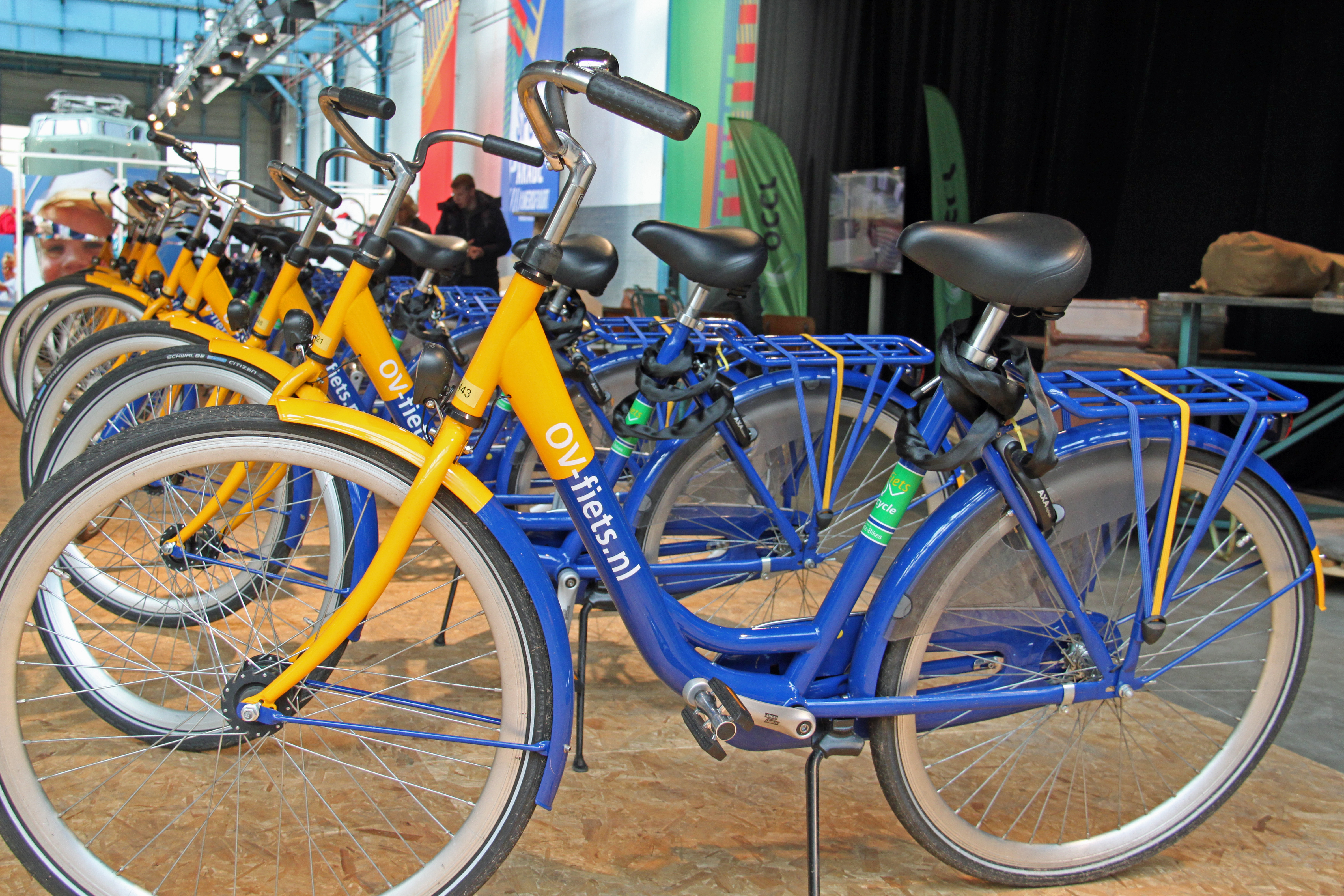
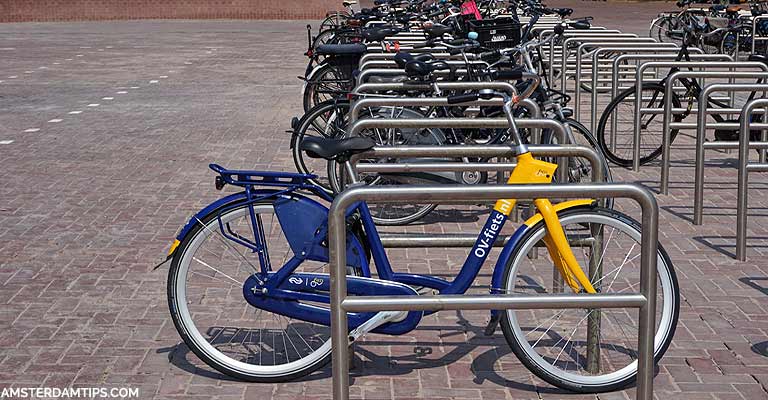
- Nationwide bike-share system: the OV‑fiets launched in 2003 has over 22,000 bikes and 282 stations; in 2024 it recorded ~5.9 million rides. (Wikipedia)
- Multi-modal integration: bikes link with trains, buses, trams; huge bike parking at train stations (for example Utrecht’s garage for 12,500 bikes). (euronews)
Thus, cycling is treated as legitimate transport, not as a casual recreational activity.
Culture, Continuity and Maintenance



The success is not just built but maintained. Some cultural & institutional features:
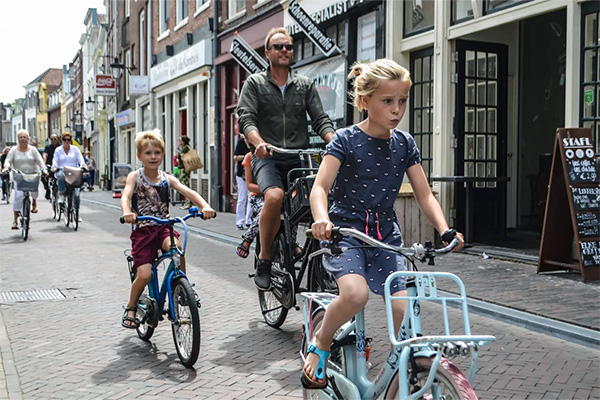
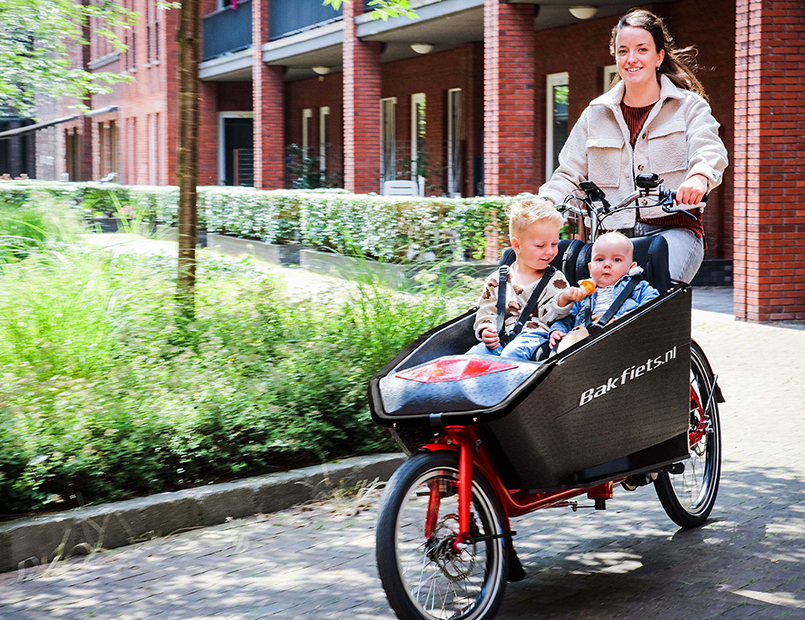
- Children bike to school from early age; ownership of bikes is widespread.
- The network is maintained and extended, with a consistent review of routes, signage, junction safety.
- Local authorities, national government and cyclists maintain communication; surveys and research refine what works. (Dr Oliver Hartwich)
- The built environment reinforces cycling: low-traffic neighbourhoods, “fietsstraat – auto te gast” (bike street, car is guest) concepts. (euronews)
What Other Cities Can Learn
If you’re working for a city (you are, Charles, in communications), you can draw these practical lessons:
- Prioritise safety early: reduction in child traffic deaths can be a strong rallying point.
- Develop a network that is coherent and direct: avoid fragmented paths that force detours.
- Integrate cycling into transport hierarchy: make it easy to switch between bike and public transit.
- Combine soft policy (campaigns, allowances) with hard infrastructure (paths, parking, junction redesign).
- Maintain the system: upgrade, monitor, refine. Cutting corners undermines mode-share gains.
- Use visible design cues (colour lanes, signage) so cyclists and drivers both know the rules.
The Netherlands did not build its cycling system overnight. It took decades of policy shifts, investment, culture building and technical design. The result: a place where the bicycle is not fringe but foundational.
Sources
- Dutch Review: How the Netherlands Became a Cycling Country
- Government of the Netherlands: Bicycle Policy
- CROW Design Manual for Bicycle Traffic
- Euronews: How the Netherlands Redesigned Itself as a Country Fit for Bikes
- CPB Netherlands Bureau for Economic Policy Analysis
- International FHWA Report on Dutch Cycling Policy