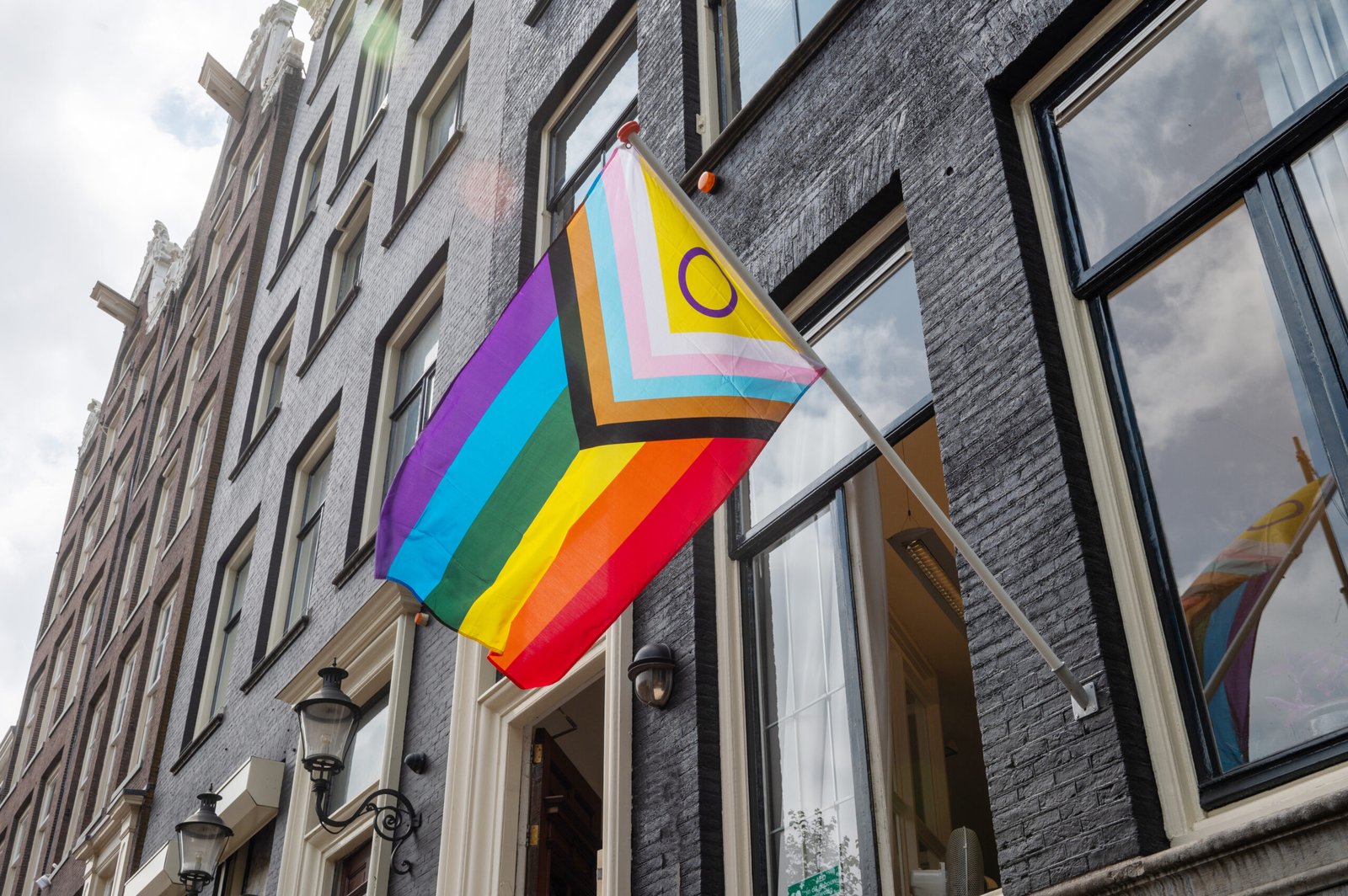
The Netherlands is widely seen as one of the most LGBTQ+ friendly countries in the world. That reputation grew over centuries, from early criminalization to legal equality and broad social acceptance. This is a story of law, activism, culture, and politics, showing how Dutch society gradually integrated LGBTQ+ rights into mainstream public life.
Amsterdam Pride
Early Repression and Legal Inequality
In the 17th and 18th centuries, male same-sex acts were criminalized as “sodomy” in the Dutch Republic. Local courts prosecuted these cases, sometimes with executions or banishments. Women in same-sex relationships were less often prosecuted but lived under strict moral norms.
In 1811, under French rule, the Napoleonic Penal Code replaced local laws. It did not outlaw consensual same-sex relations between adults. After the Kingdom of the Netherlands was formed in 1815, this legal tolerance remained, though social stigma and moral policing persisted.
In 1911, the Netherlands introduced Article 248bis, which set the age of consent for same-sex relations at 21, while heterosexual relations remained legal from age 16. This created decades of legal inequality and discrimination.
Postwar Activism and Legal Change
After World War II, activists began organizing. In 1946, the COC was founded in Amsterdam, becoming one of the world’s oldest continuous LGBTQ+ advocacy organizations. Early campaigns focused on social acceptance and legal reform.
In 1971, Article 248bis was repealed, and the age of consent was equalized at 16. This marked the formal end of criminal discrimination in Dutch law.
The 1970s and 1980s saw visible activism, demonstrations, and publications. Lesbian visibility increased alongside gay male advocacy. The HIV/AIDS crisis in the 1980s and 1990s shaped the movement, leading to pragmatic public health policies and cooperation between government and community groups.
In 1987, the Homomonument opened in Amsterdam near the Westerkerk, commemorating LGBTQ+ people persecuted in history, including those killed under Nazi occupation. It made LGBTQ+ history a visible part of national memory.
Marriage Equality and Gender Rights
By the 1990s, Dutch politics debated legal recognition for same-sex couples. In 1998, registered partnerships were introduced. On April 1, 2001, the Netherlands became the first country in the world to legalize same-sex marriage, setting a global precedent.
Transgender rights advanced in 2014 when the requirement for sterilization to change legal gender was removed, aligning Dutch law with evolving European human rights standards.
LGBTQ+ Politics in Dutch Public Life
In the Netherlands, LGBTQ+ issues are part of mainstream politics. Political parties include LGBTQ+ rights in equality platforms, public officials participate in Pride events, and public broadcasters feature LGBTQ+ presenters. Public opinion supports same-sex marriage and anti-discrimination protections, and issues are debated in Parliament and integrated into health and education policy.
Even with broad acceptance, challenges remain. Hate crimes occur, and debates about gender identity in education continue. The Dutch story shows how civil society, political engagement, and cultural visibility shape lasting change.
Key Moments in Dutch LGBTQ+ History
| Year | Event | Context and Impact |
|---|---|---|
| 1800s | French Napoleonic Code replaces local sodomy laws | Same-sex relations not illegal, creating silent tolerance under national law |
| 1911 | Article 248bis enacted | Age of consent unequal for same-sex relations, creating legal discrimination |
| 1946 | COC founded in Amsterdam | One of the oldest LGBTQ+ advocacy organizations in the world |
| 1971 | Article 248bis repealed | Equal age of consent at 16, ending formal legal discrimination |
| 1987 | Homomonument opens in Amsterdam | First monument honoring LGBTQ+ victims of persecution |
| 1998 | Registered partnerships introduced | Legal recognition for same-sex couples ahead of full marriage rights |
| 2001 | Same-sex marriage legalized | First country globally to grant equal marriage rights |
| 2014 | Sterilization requirement removed | Transgender people can change legal gender without surgery |
Notable Dutch LGBTQ+ Figures
| Name | Professional Field | Location | Contribution |
|---|---|---|---|
| Pim Fortuyn | Politics | Rotterdam | Openly gay politician who reshaped Dutch political debate in early 2000s; headed a national party |
| Job Cohen | Politics | Amsterdam | Mayor who officiated the first same-sex marriages in 2001 |
| Ireen Wüst | Sports | Goirle | Olympic speed skating champion; openly bisexual and high-profile athlete |
| Annie M.G. Schmidt | Literature | Amsterdam | Widely read author whose later life included openness about her relationships |
| Paul de Leeuw | Media | Hilversum | Television presenter known for LGBTQ+ presence on mainstream broadcast television |
Why This History Still Matters
The Dutch experience, which is not set in stone and take viligance and work, shows how law, culture, and politics interact over long periods. Early criminalization under local regimes gave way to national legal tolerance, then activism overcame legal inequality. By 2001, the Netherlands led the world in marriage equality.
Today, most Dutch citizens see LGBTQ+ rights as part of broader equality norms. Public life reflects that. Legislative debate, health policy, media representation, and education include LGBTQ+ perspectives as part of mainstream governance.
At the same time, challenges remain. Hate crimes and discrimination still occur. Debates about gender identity in youth education are active. LGBTQ+ advocates monitor law and policy to protect gains and push for further change.
This history shows how a society can change laws and norms over time through civic action, political engagement, coalition building, and public debate. It is a detailed example of legal reform rooted in democratic politics and active civil society.