When it comes to getting around, the Netherlands has a transportation system that is as efficient as it is everywhere. With its flat landscapes, extensive cycling paths, and a network of trains, trams, and buses, the Dutch have mastered the art of mobility. Whether you’re a tourist exploring the canals of Amsterdam or a local commuting to work, the options are plentiful and user-friendly.
Although fares have increased in recent years, the system still allows for universal travel with travel cards, credit cards and apps. As always, remember to tap in when boarding and tap out when exiting.
While there are many apps (NS being the most popular), Google maps works fine for public transportation.
The country’s commitment to sustainability and innovation shines through in its transportation choices, making it a model for urban mobility worldwide. The Dutch transportation system is not just about getting from point A to point B; it’s an experience in itself. Picture this: you hop on a sleek train that glides through lush green fields dotted with windmills, or you find yourself on a tram that rattles past historic buildings and vibrant street art. Even when there are breakdowns, there’s usually a way to get around it.
Each mode of transport offers a unique perspective on the country’s culture and landscape. For visitors, understanding how to navigate this system can enhance their journey, allowing them to immerse themselves in the local way of life while enjoying the convenience of modern travel.
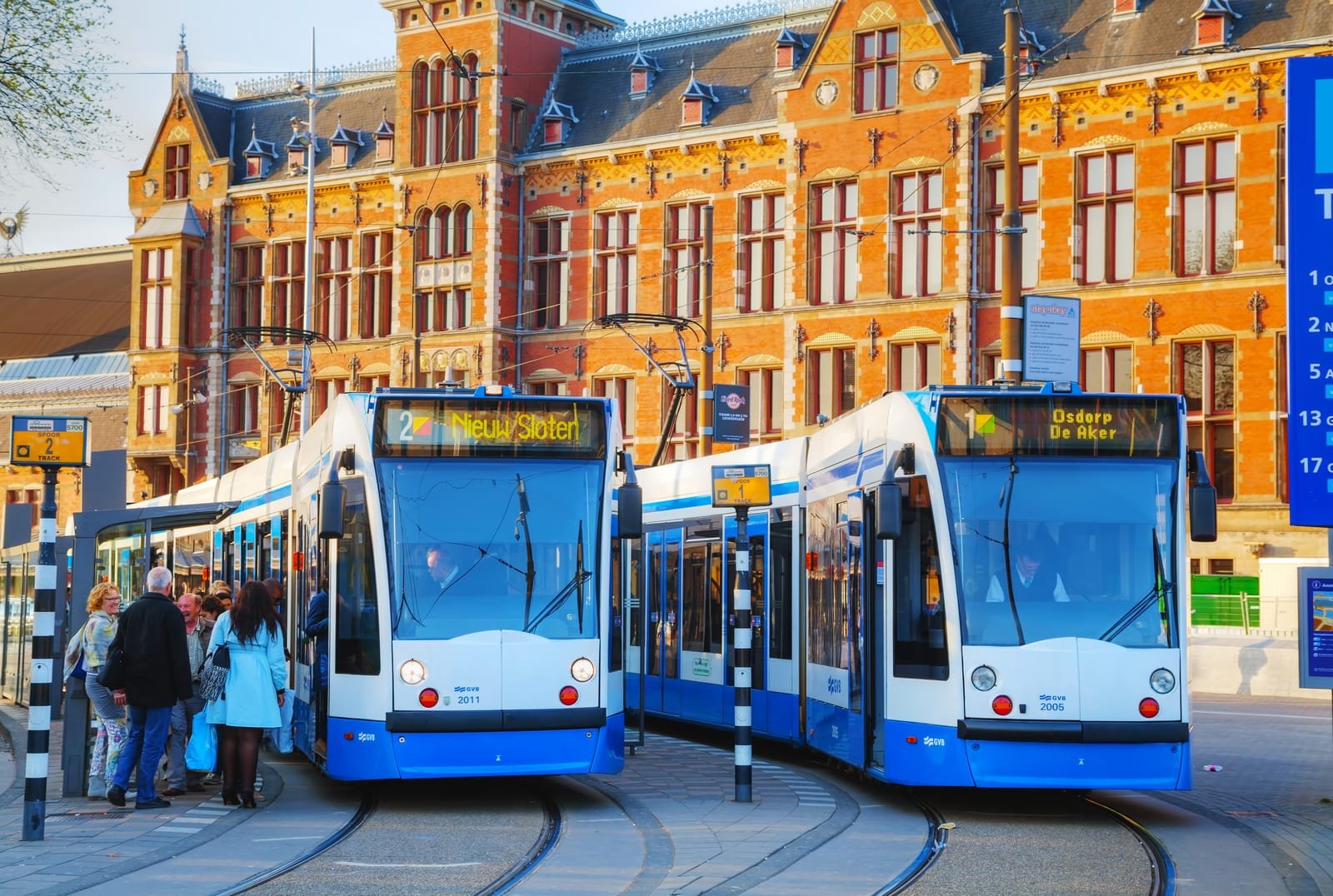
GVB: The Public Transport Company of Amsterdam
Iconic Trams and Accessibility
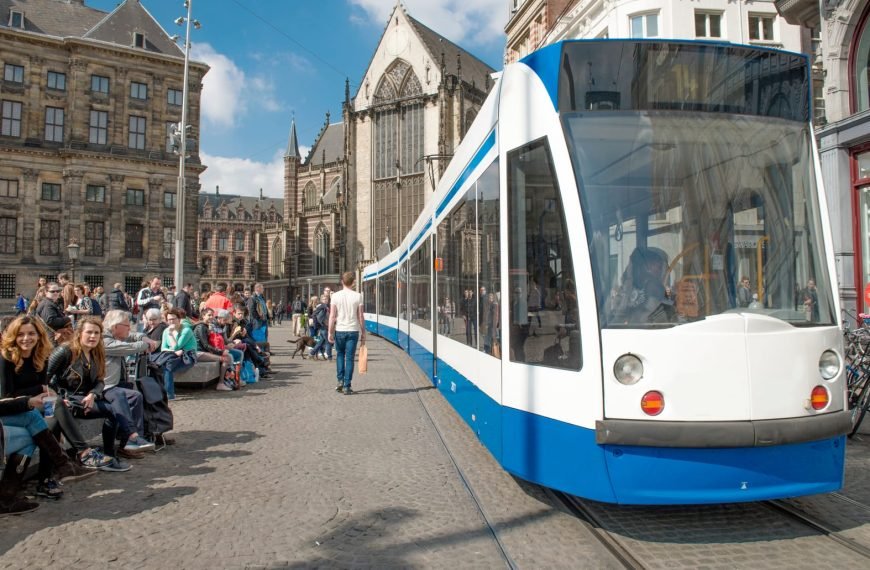
The trams, in particular, are iconic; they glide along the streets, offering a front-row seat to Amsterdam’s stunning architecture and lively neighborhoods.
GVB also runs the free (yes, free!) ferries (3 minutes crossing every seven minutes) that run to the north and for a free cruise, to culturally hip and trending NDSM (20 minutes on schedule), home of the world’s largest flea markets in summer.
Seamless Travel Experience
For anyone planning to explore Amsterdam, understanding GVB’s routes and schedules can turn a potentially confusing experience into a seamless adventure. With a fleet that runs like clockwork, GVB ensures that residents and tourists alike can navigate the city with ease.
Urban Transport at Its Best
GVB is the lifeblood of urban transport in this vibrant metropolis, providing an efficient and reliable service that keeps the city moving. Whether you’re a local or just visiting, GVB is the perfect way to explore all that Amsterdam has to offer.
NS: The National Railway Company of the Netherlands
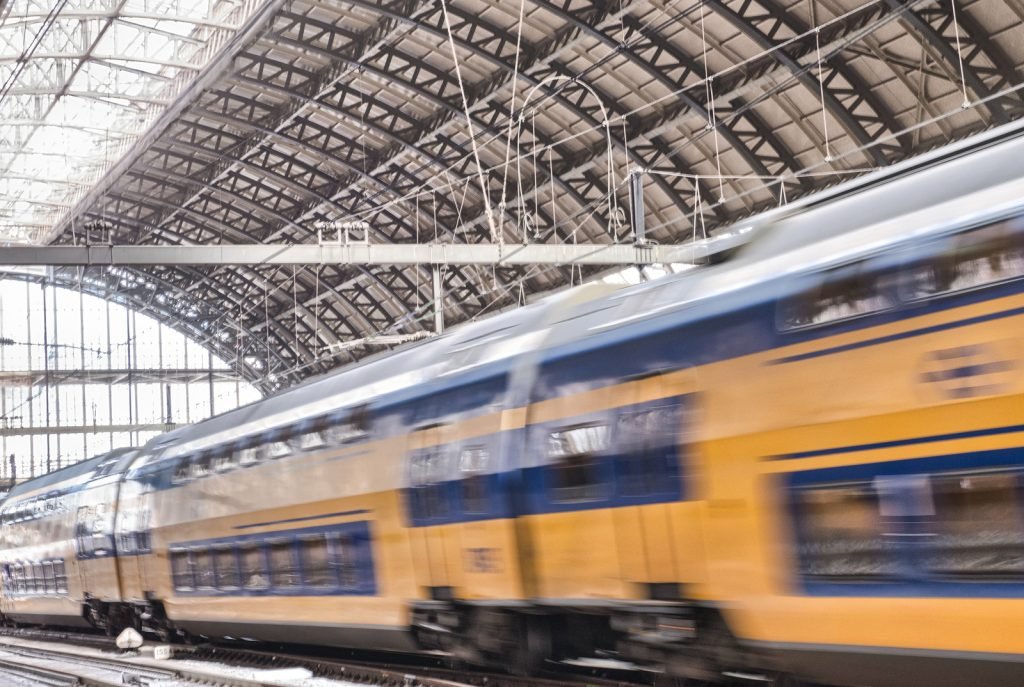
Upper and lower decks with free toilets
When it comes to traveling beyond Amsterdam, NS (Nederlandse Spoorwegen) is your go-to option. As the national railway company, NS operates an extensive network of trains that connect cities across the Netherlands and beyond. With frequent services and punctuality that would make even the most meticulous Swiss envious, NS is a reliable choice for both short trips and longer journeys.
Imagine hopping on a train in Amsterdam and finding yourself in the historic city of Utrecht within just 30 minutes—it’s that easy.
The trains themselves are comfortable and equipped with modern amenities. While there’s some older stock, many have free Wi-Fi, power outlets, and even dining options for those longer journeys.
Plus, the scenic views from the train windows are nothing short of breathtaking. You’ll pass through picturesque villages, sprawling fields, and even along the coast if you’re heading towards places like The Hague or Rotterdam. For travelers looking to explore the Dutch countryside or visit neighboring countries, NS provides an efficient and enjoyable way to do so.
NS International: Connecting the Netherlands to Europe
For those with a wanderlust that extends beyond Dutch borders, NS International opens up a world of possibilities. This branch of NS specializes in international train services, connecting the Netherlands with major European cities like Brussels, Paris, and London. The Eurostar – although insanely expensive – trains are particularly popular among travelers seeking a quick getaway or business trip across Europe.
Imagine sipping coffee on a high-speed train while zipping through the French countryside—it’s an experience that combines comfort with adventure. Booking tickets through NS International is straightforward, with options available online or at train stations. The convenience of traveling by train means you can avoid the hassle of airports—no long security lines or baggage fees here.
First class is not much on Dutch trains but worth it for the space. Conductors will kick out freeloaders.
Plus, arriving in city centers rather than distant airports makes exploring new destinations much easier. Whether you’re off to enjoy a weekend in Paris or attending a conference in Brussels, NS International makes cross-border travel not only feasible but also enjoyable.
Words of warning: the Brussels line is notorious for thieves. Never, ever leave your bags or documents alone for even a second.
OV-chipkaart: The Dutch Public Transportation Card
Navigating public transport in the Netherlands becomes significantly easier with the OV-chipkaart, a smart card that serves as your ticket for trains, trams, buses, and metro services across the country. This little card is a game-changer for both locals and visitors alike. Instead of fumbling for cash or buying individual tickets for each journey, you can simply load your OV-chipkaart with credit and tap in and out as you travel.
You have to have an OV card for the discount system (off-peak travel times, etc.).
The OV-chipkaart can be purchased at train stations or online, and it comes in various forms—disposable cards for short-term visitors or personalized cards for those planning to stay longer. The flexibility it offers is invaluable; you can use it for everything from hopping on a tram in Amsterdam to taking a train to Rotterdam without missing a beat.
Plus, it encourages seamless travel across different modes of transport, making it easier than ever to explore all that the Netherlands has to offer.
R-net, MEERPLUS, Connexxion: Regional Public Transportation in the Netherlands
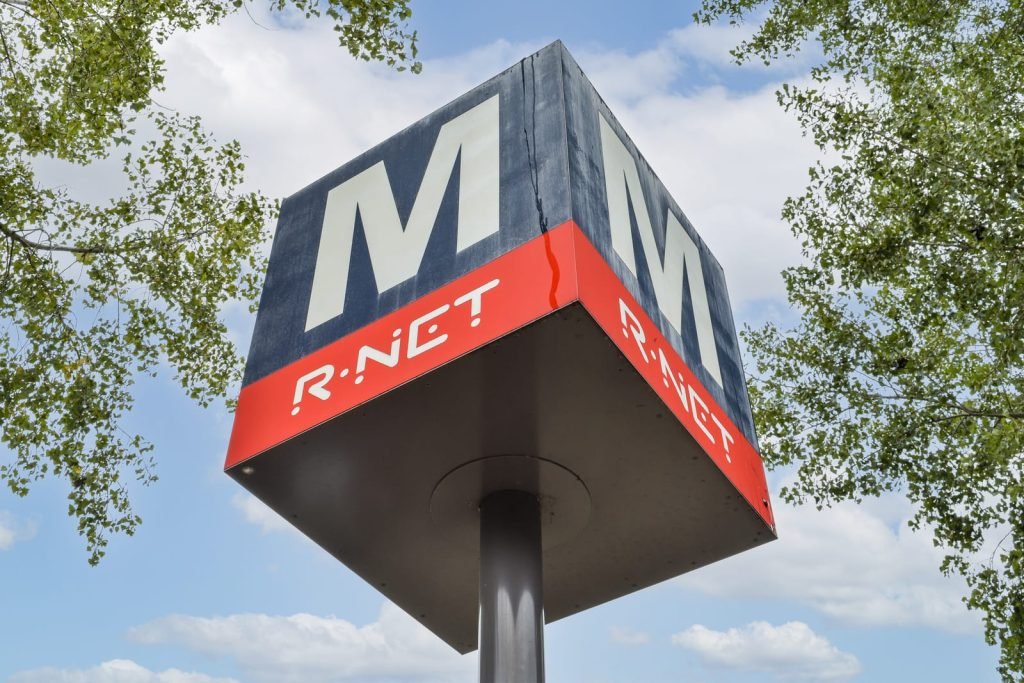
Don’t panic – your card will work fine no matter what the name
While Amsterdam may steal the spotlight, regional services like R-net (R-net is an initiative of the collaborating provinces of Flevoland, Noord-Holland, Zuid-Holland, the Metropolitan region of Rotterdam The Hague and the Vervoerregio Amsterdam. The carriers Allgobus, Arriva, Connexxion, EBS, GVB, HTM, NS, Qbuzz and RET operate R-net in their own concessions.) ensures that regional areas are not left behind when it comes to public transportation. This network connects various cities and towns in the Randstad region—home to millions of residents—offering fast and reliable bus services that complement existing train routes. R-net buses are easily recognizable by their distinctive red branding and are designed for comfort and efficiency.
R-net is particularly beneficial for those living outside major urban centers who need to commute into cities for work or leisure. With dedicated bus lanes and frequent services, R-net minimizes travel time while maximizing convenience. For visitors looking to explore beyond Amsterdam’s borders, R-net provides an excellent opportunity to discover charming towns like Haarlem or Leiden without the need for a car.
In the end, it’s the same connected system with different names.
Metro: The Underground Transportation System in Dutch Cities
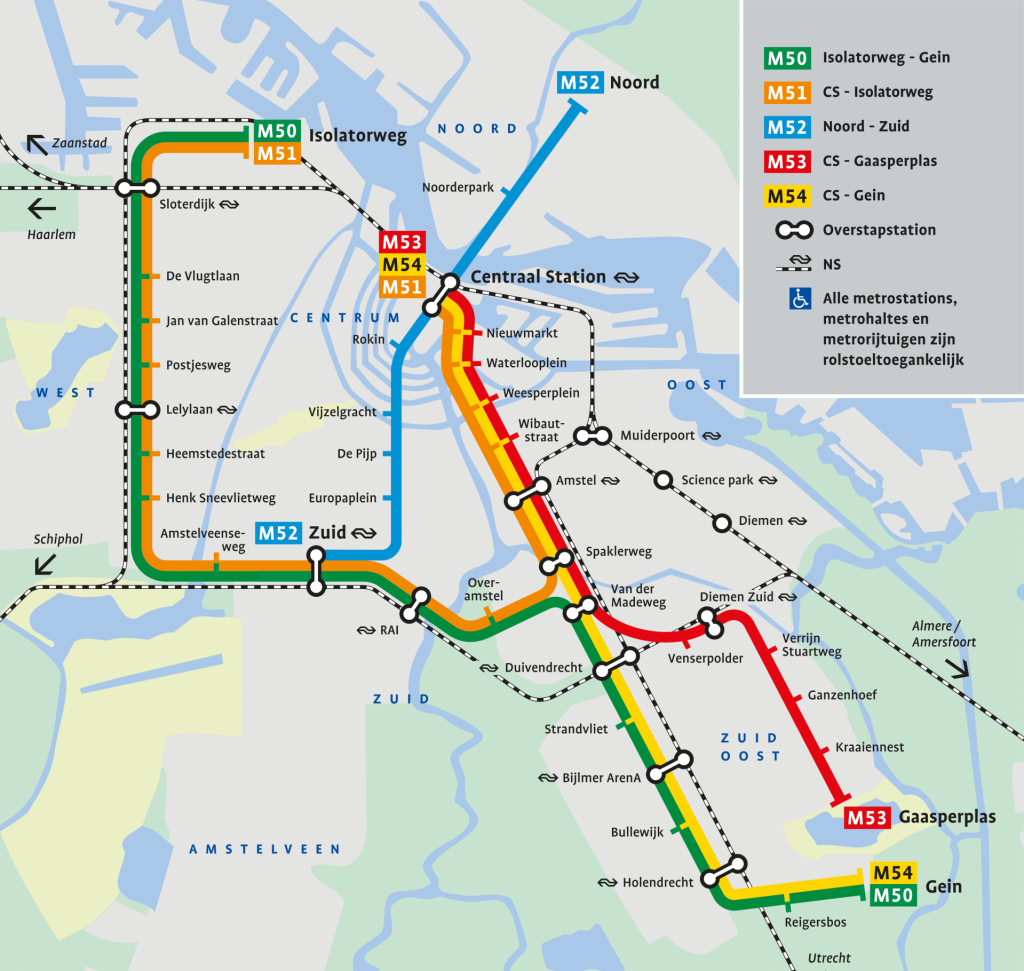
In cities like Amsterdam and Rotterdam (and by extension, den Haag), the metro system offers an underground alternative for navigating urban landscapes quickly. While not as extensive as some other European metro systems, it serves key areas efficiently and connects seamlessly with other forms of public transport. In Amsterdam, for instance, the metro can whisk you from one end of the city to another in mere minutes—perfect for those who want to maximize their sightseeing time.
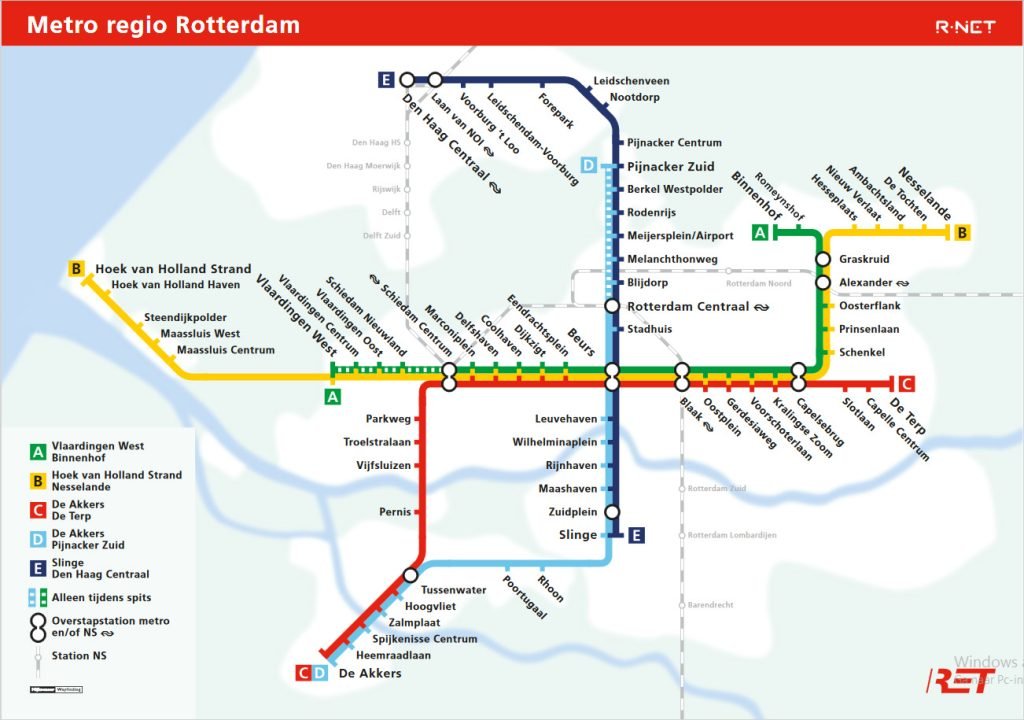
The metro stations themselves often feature striking architecture and artwork that reflect local culture and history. Riding the metro can feel like an adventure in itself; you might find yourself sharing space with locals who are just as eager to get where they’re going as you are. For visitors unfamiliar with public transport systems, using the metro can be an exciting way to immerse yourself in daily life while exploring new neighborhoods that might be off the typical tourist path.
Navigating Dutch Transportation for Visitors
Navigating Dutch transportation may seem daunting at first glance, but once you get acquainted with its various components—GVB trams in Amsterdam, NS trains across the country, R-net buses connecting regions, and even the metro—you’ll find it’s remarkably user-friendly. The OV-chipkaart simplifies payment across all modes of transport, making it easy for visitors to hop on and off without worrying about cash or tickets. For anyone planning a trip to the Netherlands, embracing public transport is not only practical but also enhances your experience.