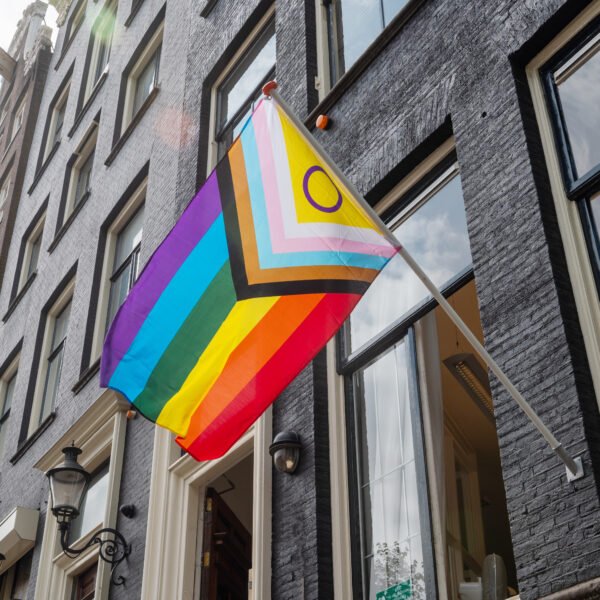

Amsterdam Pride has a rich history that intertwines with the broader narrative of LGBTQ+ rights in the Netherlands. The event traces its roots back to 1969, a pivotal year in the global fight for LGBTQ+ rights, marked by the Stonewall Riots in New York City. In the Netherlands, the first official Pride event took place in 1996, but it was not until 1999 that the now-iconic Canal Parade was introduced.
This parade transformed Amsterdam Pride into a vibrant celebration of love and acceptance, showcasing the city’s commitment to LGBTQ+ rights. The early years of Amsterdam Pride were characterized by a spirit of defiance and activism. Activists took to the streets to demand equal rights and recognition, often facing significant societal pushback.
However, as the years progressed, the event evolved into a more celebratory affair, reflecting the changing attitudes towards LGBTQ+ individuals in Dutch society. The legalization of same-sex marriage in 2001 marked a significant milestone, not just for the Netherlands but for the world, positioning Amsterdam as a beacon of hope and progress for LGBTQ+ communities everywhere.
Amsterdam Pride: A Celebration of Tolerance and Diversity
Amsterdam Pride is not merely an event; it is a vibrant tapestry woven from the threads of tolerance and diversity that define the city itself. The festival attracts millions of visitors from around the globe, all eager to partake in a celebration that champions love in all its forms. The atmosphere is electric, filled with colorful floats, exuberant costumes, and an overwhelming sense of unity.
It’s a time when people from all walks of life come together to celebrate their identities and advocate for those who may still be fighting for their rights. The essence of Amsterdam Pride lies in its ability to foster an environment where everyone feels welcome. The city’s commitment to inclusivity is palpable, with events catering to various communities within the LGBTQ+ spectrum.
From parties and performances to discussions and workshops, there’s something for everyone. This celebration serves as a reminder that diversity is not just accepted but celebrated, reinforcing the idea that love knows no boundaries.
The Unofficial Holiday: How Amsterdam Pride Became a Cultural Phenomenon
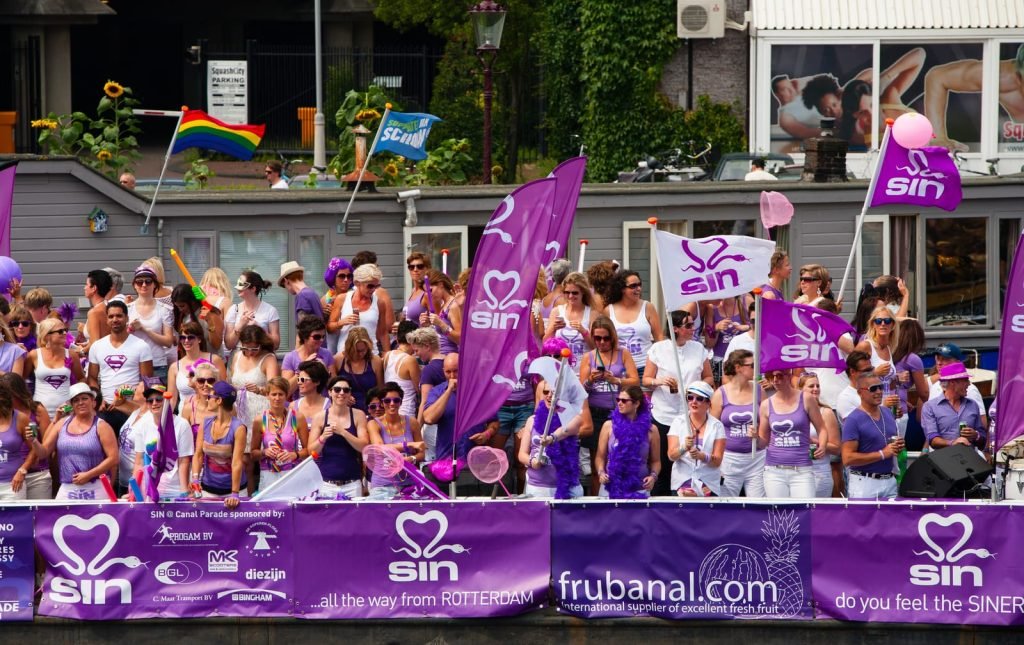
It’s not only about white guys
Over the years, Amsterdam Pride has morphed into an unofficial holiday for many locals and visitors alike. What began as a protest has transformed into a cultural phenomenon that draws people from all corners of the globe. The city comes alive with festivities, and businesses often embrace the spirit of Pride by decorating their storefronts in rainbow colors.
It’s as if Amsterdam itself dons a new outfit for this occasion, showcasing its vibrant personality. The cultural significance of Amsterdam Pride extends beyond mere celebration; it has become an integral part of the city’s identity. The event has inspired countless other pride celebrations worldwide, serving as a model for how to blend activism with festivity.
The Canal Parade, in particular, has become iconic, with boats adorned in elaborate decorations sailing through the city’s historic waterways. This unique setting adds an extra layer of charm to the festivities, making it a must-see event for anyone visiting during this time.
750th Anniversary: Amsterdam Pride’s Impact on the Netherlands’ Historic Milestone
In 2025, Amsterdam will celebrate its 750th anniversary, and Amsterdam Pride will play a significant role in this historic milestone. The intersection of these two events presents an opportunity to reflect on how far the city has come in terms of LGBTQ+ rights while also acknowledging the work that still lies ahead. As part of the anniversary celebrations, Amsterdam Pride is expected to take on an even more prominent role, showcasing not only the progress made but also the ongoing struggles faced by LGBTQ+ individuals both locally and globally.
This convergence of events will likely amplify discussions around inclusivity and equality in Dutch society. It serves as a reminder that while progress has been made, there are still challenges to overcome. The 750th anniversary provides a platform for activists and allies to advocate for continued change, ensuring that the fight for LGBTQ+ rights remains at the forefront of societal conversations.
As Amsterdam reflects on its past, it will also look toward a future where acceptance and love are universal.
The Evolution of Amsterdam Pride: From Protest to Celebration
The evolution of Amsterdam Pride is a testament to the changing landscape of LGBTQ+ rights over the decades. Initially rooted in protest, the event has gradually shifted towards celebration while still retaining its activist spirit.
In its early days, participants marched through the streets demanding recognition and equality, often facing hostility from those who opposed their message.
However, as societal attitudes began to shift, so too did the nature of the event. Today, Amsterdam Pride embodies both celebration and activism. While revelers enjoy parades and parties, there remains a strong emphasis on raising awareness about ongoing issues faced by LGBTQ+ communities worldwide.
This duality is what makes Amsterdam Pride unique; it honors its roots while embracing progress. The event serves as a reminder that while much has been achieved, there is still work to be done in ensuring that everyone can live authentically without fear or discrimination.
Amsterdam Pride: A Symbol of Inclusivity and Acceptance in the Netherlands
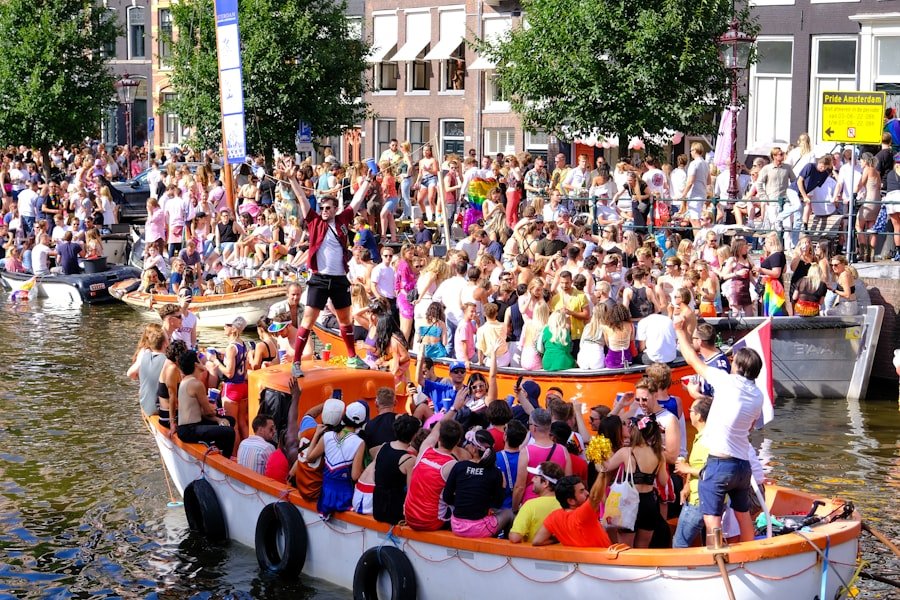
The float parade is an absolutely must-see
Amsterdam Pride stands as a powerful symbol of inclusivity and acceptance within the Netherlands. The event showcases not only the city’s commitment to LGBTQ+ rights but also its broader values of tolerance and diversity. In a world where discrimination still exists, Amsterdam Pride sends a clear message: love is love, and everyone deserves to be celebrated for who they are.
The impact of this celebration extends beyond the borders of Amsterdam. It influences national policies and encourages other cities to embrace inclusivity. The visibility provided by Amsterdam Pride helps foster understanding and acceptance among those who may not be familiar with LGBTQ+ issues.
By bringing these conversations into public spaces, it challenges stereotypes and promotes empathy, ultimately contributing to a more inclusive society.
Amsterdam Pride: A Look at the Festivities and Events
The festivities surrounding Amsterdam Pride are nothing short of spectacular. The highlight is undoubtedly the Canal Parade, where elaborately decorated boats float through the city’s picturesque canals, each representing different organizations or communities within the LGBTQ+ spectrum. This floating festival transforms Amsterdam’s waterways into a vibrant display of color and joy, attracting thousands of spectators who line the banks to cheer on participants.
Beyond the Canal Parade, Amsterdam Pride offers a gaynanza of events catering to diverse interests. From art exhibitions and film screenings to parties featuring renowned DJs, there’s no shortage of activities to engage in during this festive week. Additionally, educational workshops and discussions provide opportunities for attendees to learn about LGBTQ+ history and current issues facing the community.
This blend of celebration and education ensures that everyone can find something meaningful to connect with during their time at Pride.
The Future of Amsterdam Pride: Continuing the Fight for LGBTQ+ Rights and Equality
As we look toward the future of Amsterdam Pride, it’s essential to recognize that while progress has been made, challenges remain. The fight for LGBTQ+ rights is far from over, both in the Netherlands and around the world. As societal attitudes continue to evolve, so too must Amsterdam Pride adapt to address new issues facing marginalized communities within the LGBTQ+ spectrum.
The future of Amsterdam Pride will likely see an increased focus on intersectionality—recognizing that individuals experience discrimination differently based on various aspects of their identities such as race, gender identity, and socioeconomic status. By amplifying diverse voices within the community and advocating for comprehensive equality measures, Amsterdam Pride can continue to be a powerful force for change. In conclusion, Amsterdam Pride is more than just a celebration; it is a movement rooted in history and fueled by hope for a more inclusive future.