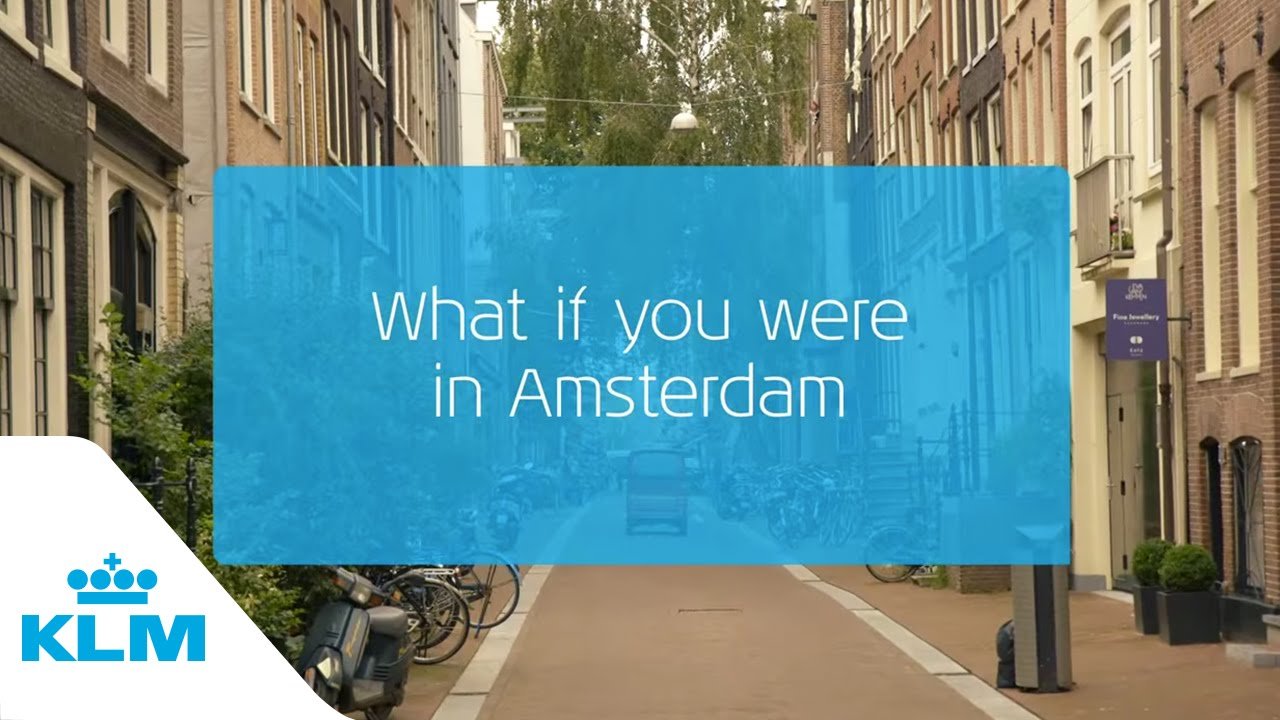
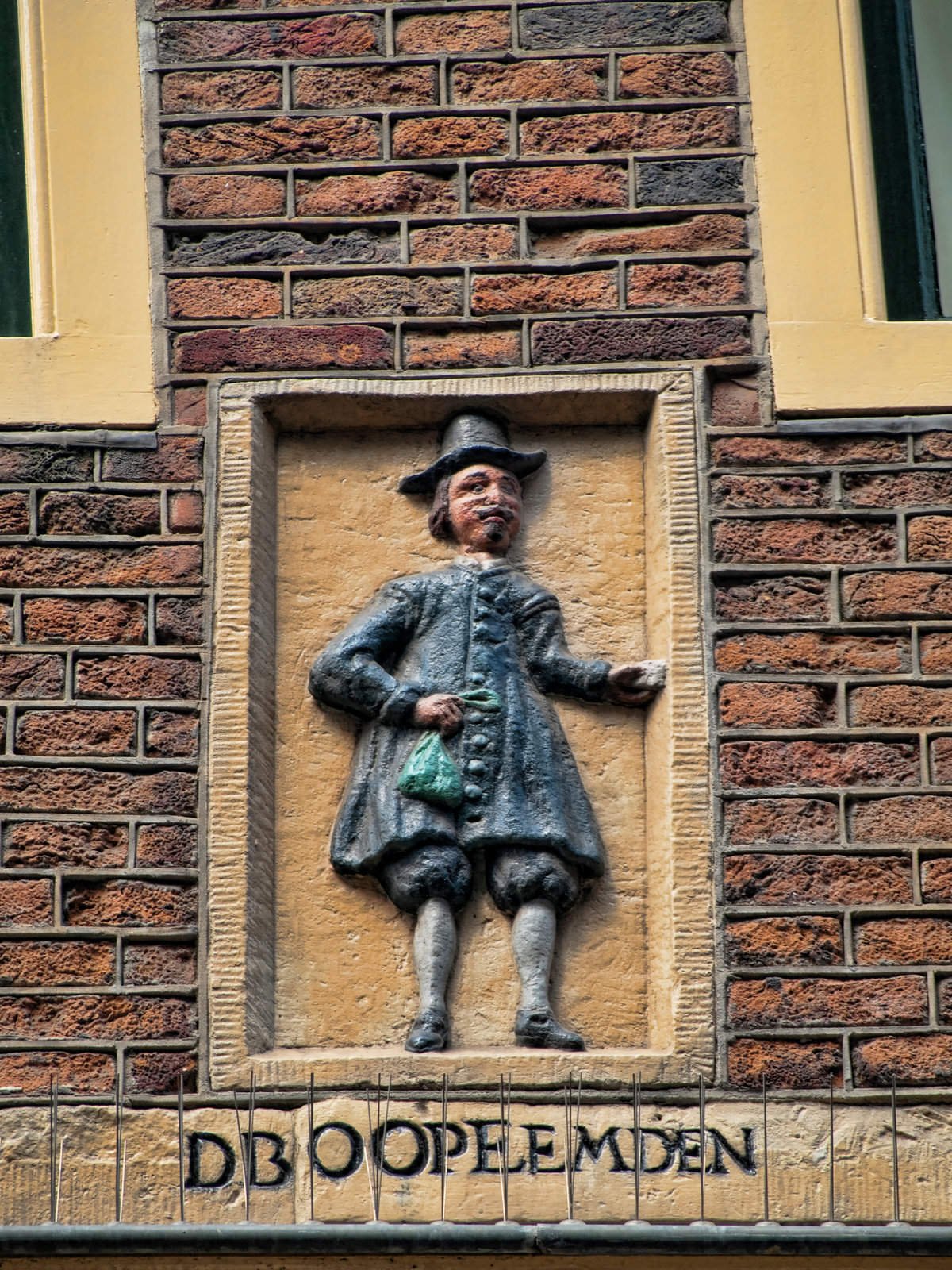
Zeedijk Street, a vibrant thoroughfare in Amsterdam and one of the oldest streets in the city, is more than just a picturesque lane lined with charming cafes and shops; it is a cornerstone of the city’s LGBTQ+ history. Nestled in the heart of the Red Light District, a stone throw from Centraal Station, this street has long served as a sanctuary for the queer community, offering a space where individuals can express their identities freely and without fear. The significance of Zeedijk extends beyond its physical presence; it embodies the struggles, triumphs, and resilience of LGBTQ+ individuals throughout the decades, if not centuries.
As one strolls down this lively street, it’s impossible not to feel the echoes of history that resonate from its cobblestones. The importance of Zeedijk Street in Amsterdam’s gay history cannot be overstated.
It has witnessed the evolution of societal attitudes towards homosexuality, from a time when being queer was criminalized to the present day, where it is celebrated.
The street has become a symbol of acceptance and pride, drawing locals and tourists alike who seek to immerse themselves in its rich cultural tapestry. As we explore the various facets of Zeedijk, we uncover not only its historical significance but also its ongoing role as a beacon of hope and community for LGBTQ+ individuals.
The history and impact of Café ‘t Mandje on the LGBTQ+ community in Amsterdam
A Safe Haven in a Less Accepting Era
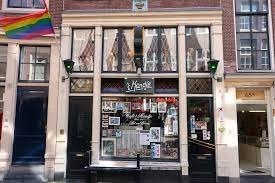
This iconic establishment, opened in 1927, was one of the first bars in the city to openly welcome queer patrons, providing a safe haven during a time when societal norms were far less accepting. The café’s lesbian founder, Bet van Beeren, was a trailblazer who understood the importance of creating a space where people could gather without fear of judgment.
A Cultural Landmark and Community Hub
Her vision transformed ‘t Mandje into a beloved institution that continues to thrive today. The bar even remained open during Nazi occupation – the Nazis wouldn’t allow soldiers at pubs with alcohol – and the bar ran guns for the resistance and hid people. The cafe survived raids but operated as a gay bar throughout the Nazi occupation. Van Beeren died in 1967, and the cafe remained open until the 1982, run by van Beeren’s sister, when Zeedijk became a heroin paradise. The interior shut for over two decades. Remarkably, the interior survived and the city slowly cleaned up Zeedijk and van Beeren’s niece rebuilt the bar in 2008. The cafe is such a part of Amsterdam history the city even created a replica of it at the Amsterdam Museum (under reconstruction). The impact of Café ‘t Mandje on the LGBTQ+ community extends beyond its role as a bar; it has become a cultural landmark that fosters connection and camaraderie among its patrons. Over the years, it has hosted countless events, from drag shows to art exhibitions, all aimed at celebrating queer culture.
A Platform for Activism and Advocacy
The café’s walls, photographed exactly as they were at reconstruction, are adorned with photographs and memorabilia that tell the stories of those who have walked through its doors, creating a sense of belonging for many.
In an era when acceptance was scarce, ‘t Mandje provided not only a place to socialize but also a platform for activism and advocacy within the community.
The role of the Queenshead in promoting LGBTQ+ visibility and acceptance in Zeedijk Street
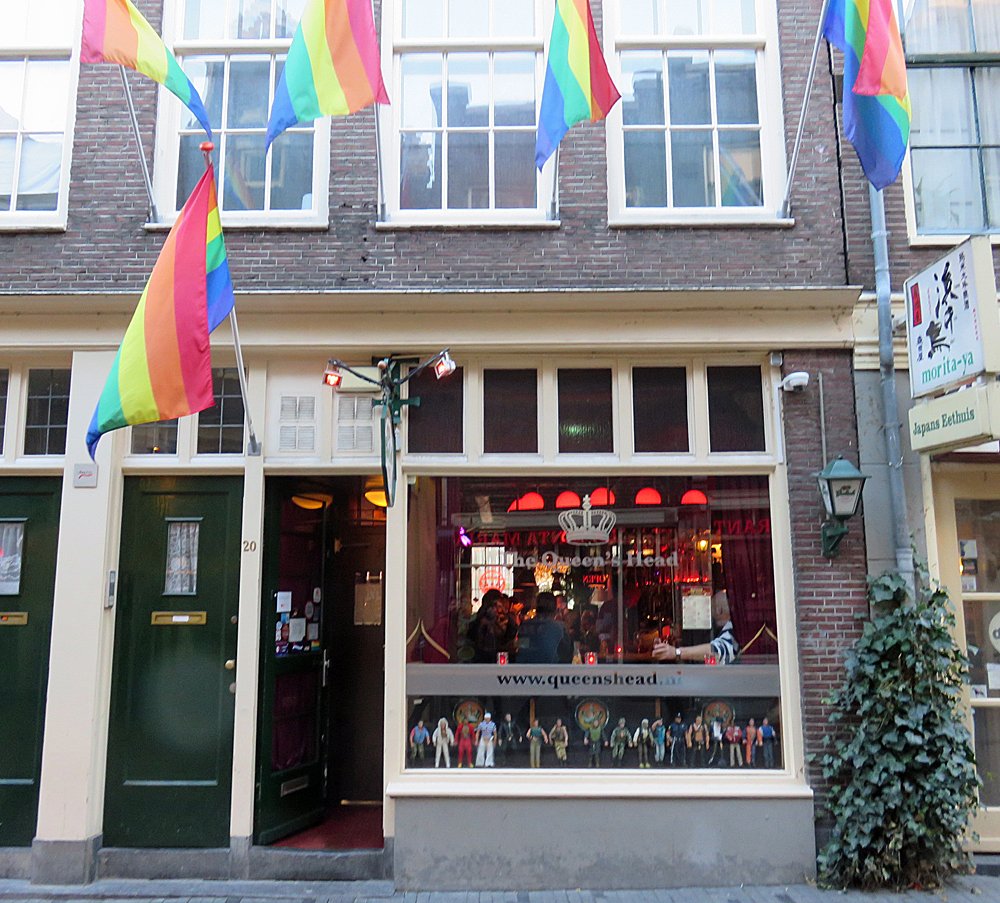
The “dick dolls” in the Queens Head window are world famous
The Queenshead is another gem on Zeedijk Street that has played a pivotal role in promoting LGBTQ+ visibility and acceptance. Zeedijk was a cornerstone of the gay movement, and multiple gay bars once filled the street. This lively bar is known for its welcoming atmosphere and vibrant drag performances that draw crowds from all walks of life. Queenshead has become synonymous with celebration, offering a space where individuals can express their true selves without reservation.
The bar’s commitment to inclusivity is evident in its diverse clientele, which reflects the rich tapestry of identities within the LGBTQ+ community. The performances at Queenshead are not merely entertainment; they serve as powerful statements of identity and pride. Drag queens take to the stage not only to entertain but also to challenge societal norms and stereotypes.
Through humor, artistry, and boldness, they create an environment where acceptance flourishes. The bar has become a hub for activism, hosting events that raise awareness about LGBTQ+ issues while fostering dialogue and a lot of fun among patrons. In this way, Queenshead contributes significantly to the ongoing fight for equality and visibility within Amsterdam’s cultural landscape.
Most importantly, the cafe welcomes anyone. Don’t be surprised to see parents bring their kids or a baby, and older people mix with younger. Last, take in the view from the back or the lower view of the canal. There probably isn’t a better view in Amsterdam.
The influence of the Asian community on Zeedijk Street’s cultural and social landscape
Zeedijk Street is not only a focal point for the LGBTQ+ community but also a melting pot of cultures, with the Asian community playing a significant role in shaping its social landscape. Historically, this area was one of the first Asian communities in Europe has been home to various Asian businesses, restaurants, and cultural institutions that have enriched the local community. The fusion of cultures creates a unique atmosphere that celebrates diversity and inclusivity, making Zeedijk a vibrant hub for both locals and visitors.
The Asian influence on Zeedijk Street extends beyond cuisine; it encompasses art, music, and social activism as well. Many Asian LGBTQ+ individuals have found solace in this space, where they can connect with others who share similar experiences and challenges. Events celebrating Asian heritage within the context of LGBTQ+ pride have become increasingly popular, highlighting the intersectionality of identity.
This blending of cultures fosters understanding and acceptance, reinforcing Zeedijk’s reputation as a welcoming space for all.
The celebration of LGBTQ+ pride in Zeedijk Street, including the annual Pride Festival
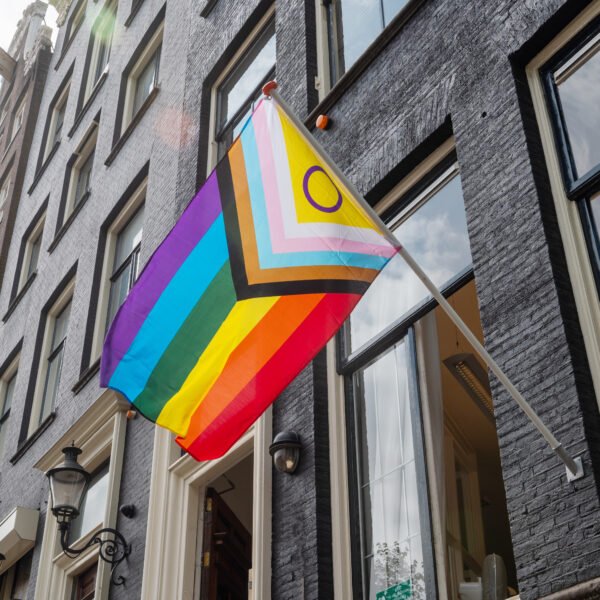
Every year, Zeedijk Street comes alive during Amsterdam Pride, which is nearly a national holiday, transforming into a vibrant celebration of love, acceptance, and diversity. The annual pride festival draws thousands of participants who gather to celebrate their identities and advocate for equality. The atmosphere is electric, filled with colorful floats, lively music, and an overwhelming sense of camaraderie among attendees.
Zeedijk serves as one of the focal points for these festivities, showcasing the strength and resilience of the LGBTQ+ community. The pride celebrations on Zeedijk Street are not merely about revelry; they also serve as a reminder of the ongoing struggles faced by LGBTQ+ individuals worldwide. Activists take this opportunity to raise awareness about issues such as discrimination, violence, and inequality that still persist today.
The festival becomes a platform for voices that need to be heard, ensuring that the fight for rights continues beyond the celebrations. In this way, Zeedijk Street stands as both a site of joy and a battleground for justice.
The intersection of LGBTQ+ history and activism in Zeedijk Street
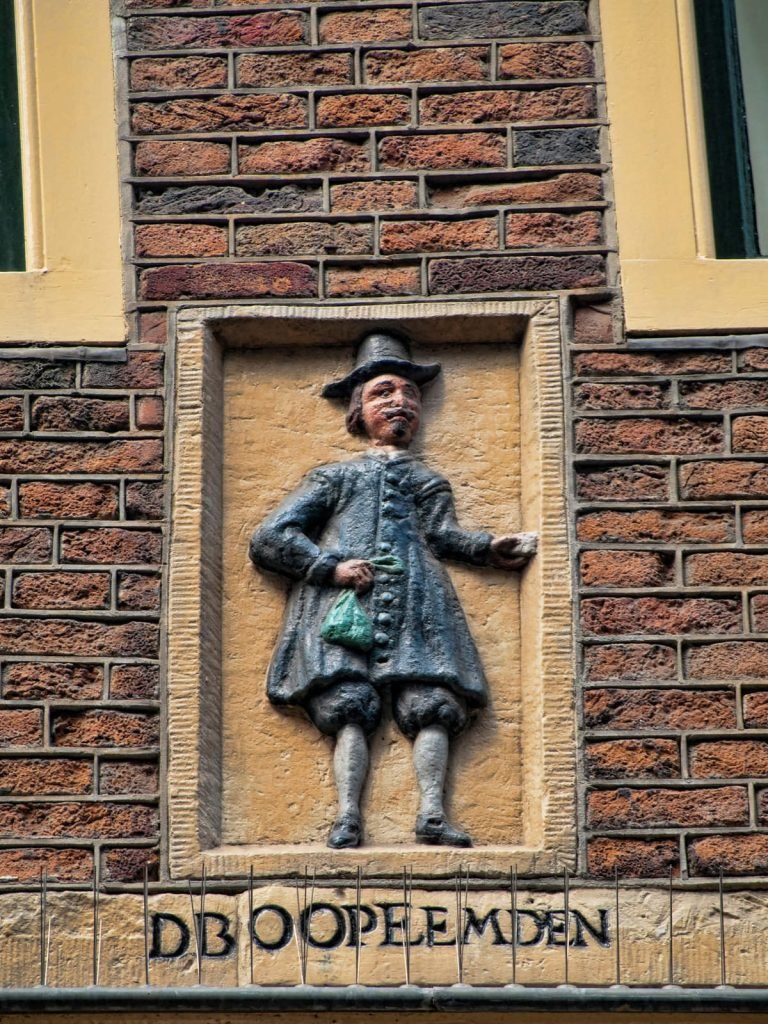
From 1630 along Zeedijk Street – read more about Zeedijk’s history
A Hotbed of Activism
Activists have gathered on Zeedijk Street to strategize, and raise awareness about issues affecting the queer community. The spirit of activism is woven into the very fabric of Zeedijk, making it an essential part of Amsterdam’s LGBTQ+ narrative.
Intersectionality and Unity
The intersectionality present on Zeedijk Street further enriches its history of activism. Individuals from diverse backgrounds come together to advocate for their rights while recognizing that their struggles are interconnected. This unity fosters solidarity among various marginalized groups within the LGBTQ+ community, amplifying their voices and creating a more inclusive movement.
A Global Impact
Reflecting on the history of activism on Zeedijk Street, it becomes clear that this space has played an integral role in shaping not only local but also global conversations around LGBTQ+ rights.
The evolution of Zeedijk Street as a hub for LGBTQ+ and community
Over the decades, Zeedijk Street has evolved into one of Amsterdam’s premier destinations for LGBTQ+ nightlife. What once began as a few small bars has blossomed into a thriving scene filled with diverse venues catering to various tastes and preferences. From cozy pubs to energetic dance clubs, there’s something for everyone along this lively street.
This evolution reflects broader societal changes regarding acceptance and visibility for queer individuals. The nightlife on Zeedijk is not solely about entertainment; it serves as an essential component of community building. Many patrons return regularly not just for the drinks or music but for the sense of belonging they find within these spaces.
Bars like Café ‘t Mandje and Queenshead have become second homes for many, fostering friendships and connections that extend beyond their walls. As new establishments continue to open their doors on Zeedijk Street, they contribute to an ever-growing sense of community that celebrates diversity in all its forms.
The ongoing importance of Zeedijk Street in preserving and celebrating Amsterdam’s LGBTQ+ history
As we look toward the future, Zeedijk Street remains crucial in preserving and celebrating Amsterdam’s LGBTQ+ history.
By honoring this past while embracing contemporary issues facing the community today, Zeedijk continues to be a vital space for reflection and growth. Moreover, as new challenges arise within society regarding LGBTQ+ rights globally, Zeedijk Street stands firm as a symbol of resilience and hope. It serves as a gathering place for activists advocating for change while providing support networks for those who need them most.