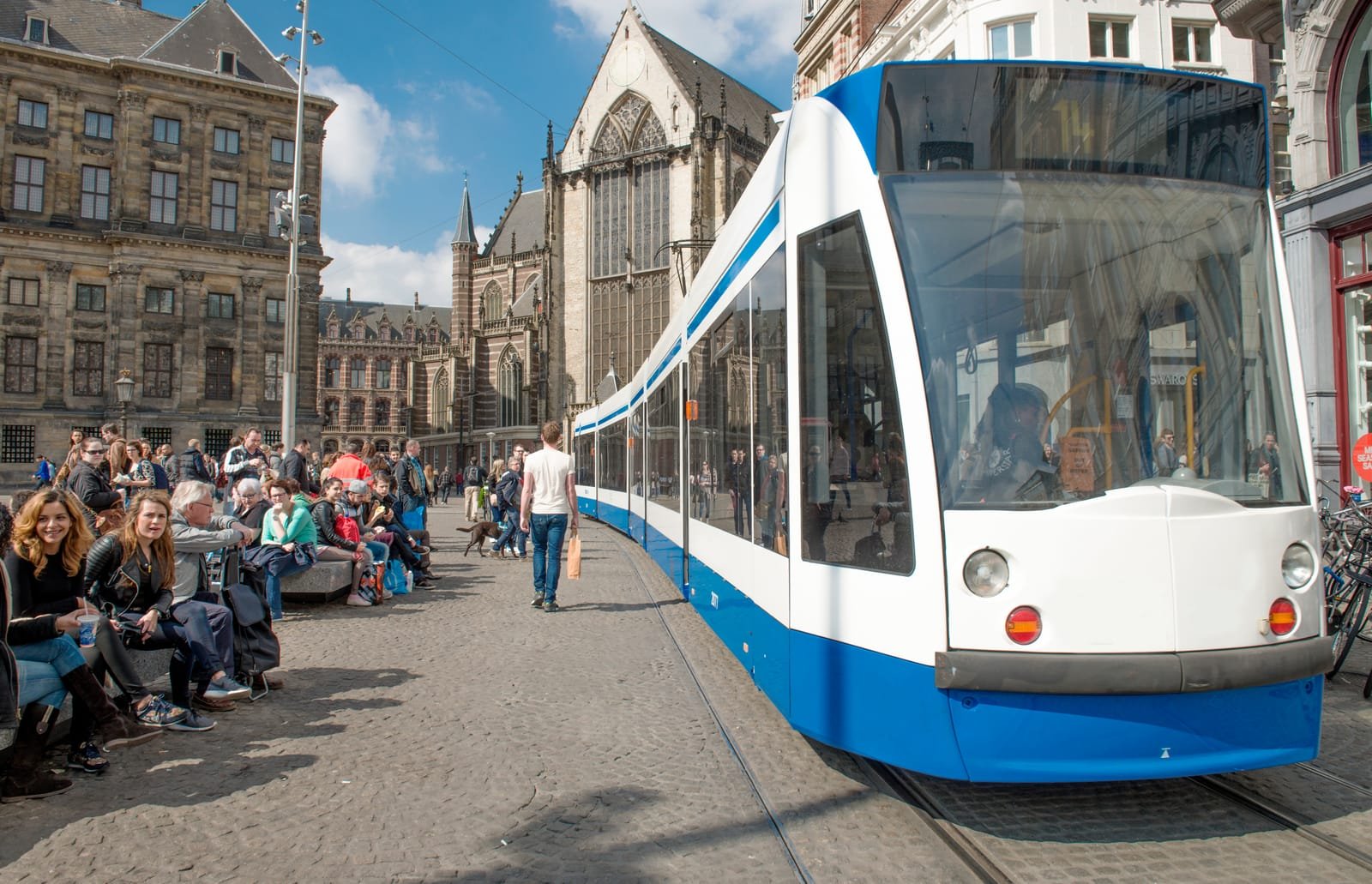
Moving through the Netherlands can feel like a choreography of wheels, rails, and sometimes frustration. But once you understand how Dutch public transport works, it becomes one of the most efficient and sustainable systems in Europe. While it has gotten more expensive in recent years, the integrated system seems like a marvel that it can transport so many people quickly.
One note – bikes stop for nothing, even lights and cross walks. Trams usually stop but especially in places like Amsterdam, they come out of nowhere. Keeps your wits about you.
The System in Short – Tap In, Tap Out
The Netherlands runs on a fully integrated transport network. You can move from a rural village to the heart of Amsterdam with a single rechargeable travel card—the OV-chipkaart, app or your bank card. Trains, trams, buses, metros, and even ferries all work within the same system. Always remember to tap in and tap out no matter what payment you use. There is a way to fix if you forget tapping out, but don’t be surprised if your charged the maximum fair in the Netherlands if you don’t tap out. That can be fixed as well by contacting the company (NS, GVB, etc,).
Official journey planner: 9292.nl
Official national railways site: NS.nl
Trains: The Backbone of Dutch Travel
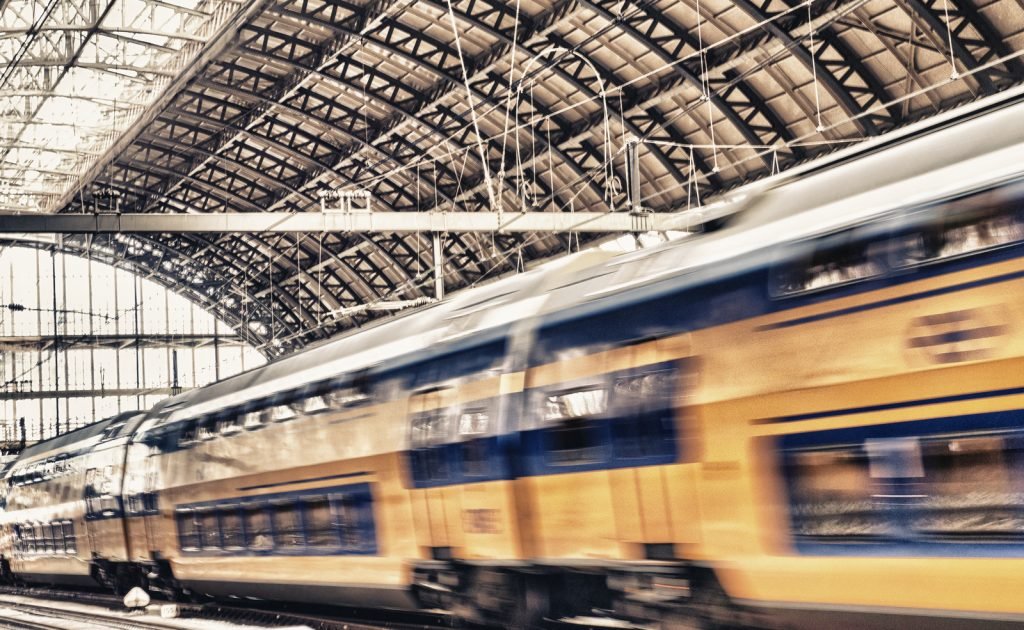
The national railway, NS (Nederlandse Spoorwegen), connects nearly every city and large town.
- Timetables and real-time updates: NS Journey Planner
- International routes: NS International
Most routes run every 15–30 minutes, and trains are usually clean and punctual. Expect slight chaos during rush hour or major events, and check for maintenance (“werkzaamheden”) on weekends.
Tip: Download the NS app for live updates, digital tickets, and platform changes.
Trams and Metros: For Cities Only
Amsterdam, Rotterdam, The Hague, and Utrecht have trams or metros. They run on regular schedules and are often faster than buses in city traffic. GVD runs the ferries that cross the Ij river to north Amsterdam and other points. The ferries in Amsterdam are free (really) – got on and get off where you like.
You tap in and out with your OV-chipkaart or contactless debit card. Trams stop at nearly every major square, so you rarely need to walk far.
Buses: Connecting the Dots
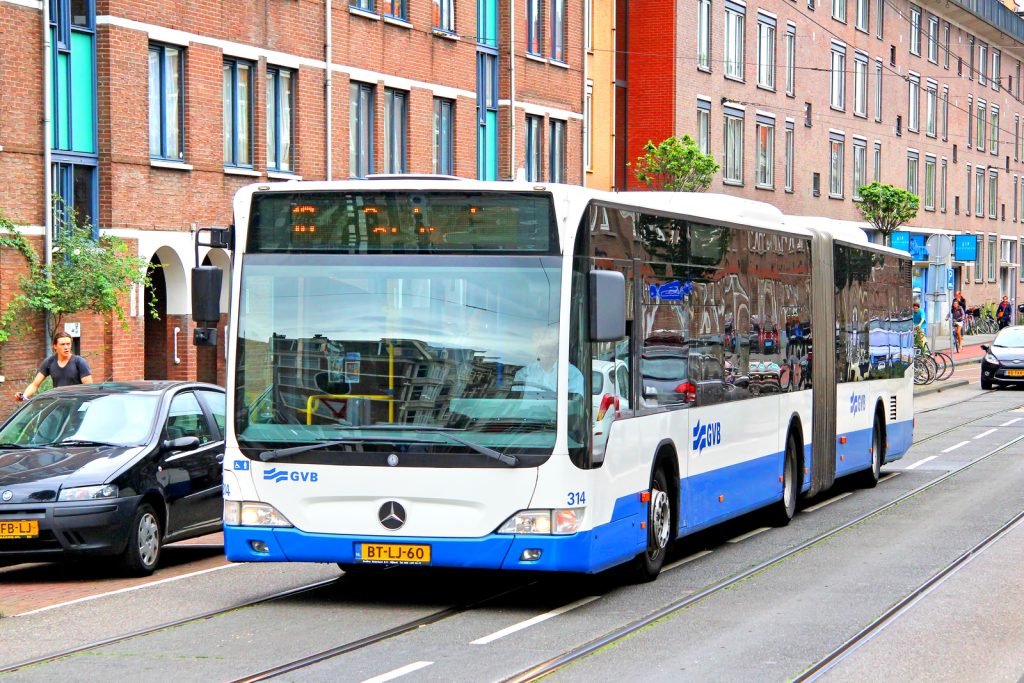
Regional bus companies link smaller towns to the train network.
- Journey planner: 9292.nl
- Timetables and tickets are the same system—tap in, tap out.
Buses can be sparse in rural areas after 8 PM or on Sundays, so always check the schedule in advance.
Bicycles: The Dutch Secret Weapon
The real trick to surviving Dutch transport is owning a bike. Every station has a secure bike parking area, and many have bike rental options through NS. You can bring a bike on most transport, but watch for certain time when you cannot, like rush hour or special events. The police will ticket you if you’re caught.
- NS Bike Rental: OV-fiets
Cycling fills the gaps—between your home and the station, or between stations and your final destination. The infrastructure is world-class, but do expect strict cycling rules and traffic lights designed to keep you in line.
Pros and Cons of Dutch Public Transport
| Mode | Pros | Cons |
|---|---|---|
| Train (NS) | Fast, frequent, comfortable; connects entire country | Can be crowded; weekend maintenance delays |
| Tram | Great for short city hops; scenic routes | Slower during rush hour; limited to urban areas |
| Metro | Fastest in big cities; runs late | Only in four cities; can be confusing for tourists |
| Bus | Connects rural areas; accepts same card | Limited late-night service; less reliable |
| Bicycle | Total freedom; eco-friendly; cheap | Weather-dependent; parking can be tricky |
| OV-chipkaart system | One card for all travel | Must remember to tap in/out; card costs €7.50 |
How to Plan a Journey
The Dutch love punctuality, so plan ahead.
- Use 9292.nl for all connections, including buses and ferries.
- Use NS.nl or the NS app for train schedules and disruptions.
- Google Maps integrates Dutch public transport surprisingly well.
Final Tips
- Always tap in and out of every journey, even if you’re transferring.
- Keep some balance on your card (at least €20 for trains).
- Expect check-ins by uniformed inspectors.
- Don’t bring bikes on trains during rush hour (before 9 AM and between 4–6:30 PM).
The Dutch system rewards routine and patience. Yes, it goes wrong, but if you’re savvy, there is usually another bus or train to get around the issue. Once you master it, you’ll glide between cities, canals, and countryside with an ease that makes car ownership feel unnecessary and probably unwanted.