Ah, the Dutch. Known for their windmills, tulips, and a penchant for being as straightforward as a ruler. If you’ve ever had the pleasure—or perhaps the shock—of conversing with a Dutch person, you might have noticed their unique communication style.
It’s like they’ve taken the concept of honesty, cranked it up to eleven, and decided that sugarcoating is for candy, not conversations. This phenomenon, often referred to as “Dutch directness,” is a cultural hallmark that can leave outsiders scratching their heads in confusion or laughing in disbelief. What’s the deal with this unfiltered approach to communication?
In a society where saying what you mean and meaning what you say reigns supreme, the Dutch have mastered the art of cutting through the fluff. This directness is not a quirky trait; it’s deeply embedded in their cultural fabric.
From casual chit-chat to serious discussions, the Dutch have a knack for getting straight to the point.
Key Takeaways
- Dutch directness is a cultural communication style characterized by honesty, bluntness, and straightforwardness.
- Cultural influences, such as the emphasis on egalitarianism and open dialogue, shape Dutch communication and contribute to directness.
- The fine line between honesty and rudeness is often blurred in Dutch direct communication, leading to potential misunderstandings for foreigners.
- Dutch directness impacts daily life and interactions by promoting efficiency, transparency, and clarity in communication.
- In Dutch business and work culture, directness is valued for its ability to facilitate decision-making and problem-solving, but it can also be off-putting to those from more indirect communication cultures.
The Cultural Influence on Dutch Communication
The Maritime Roots of Directness
Imagine a group of sailors navigating treacherous waters. In such high-stakes situations, clear communication is crucial for survival. This principle has been passed down through generations, shaping the Dutch culture into one that values straightforwardness and egalitarianism.
The Education System’s Role in Fostering Honesty
The Dutch education system plays a significant role in promoting open dialogue and critical thinking from a young age. Children are encouraged to express their opinions and question authority, creating an environment where honesty is not only appreciated but expected.
A Cultural Backdrop of Blunt Honesty
This cultural landscape has given rise to a society where people feel comfortable sharing their thoughts without fear of offending others. While this trait can sometimes come across as jarring to those from more indirect cultures, it’s essential to remember that it’s not personal – it’s the Dutch way of communicating. So, if you find yourself on the receiving end of a blunt comment from a Dutch friend, take it as a sign of their cultural heritage rather than a personal attack.
The Fine Line Between Honesty and Rudeness
Let’s address the elephant in the room: while directness can be refreshing, it can also toe the line into rudeness. The Dutch have a unique ability to deliver criticism with surgical precision, but this can sometimes leave others feeling like they’ve been hit by a freight train. It’s all about context and delivery—what might be considered straightforward in one culture could be perceived as downright offensive in another.
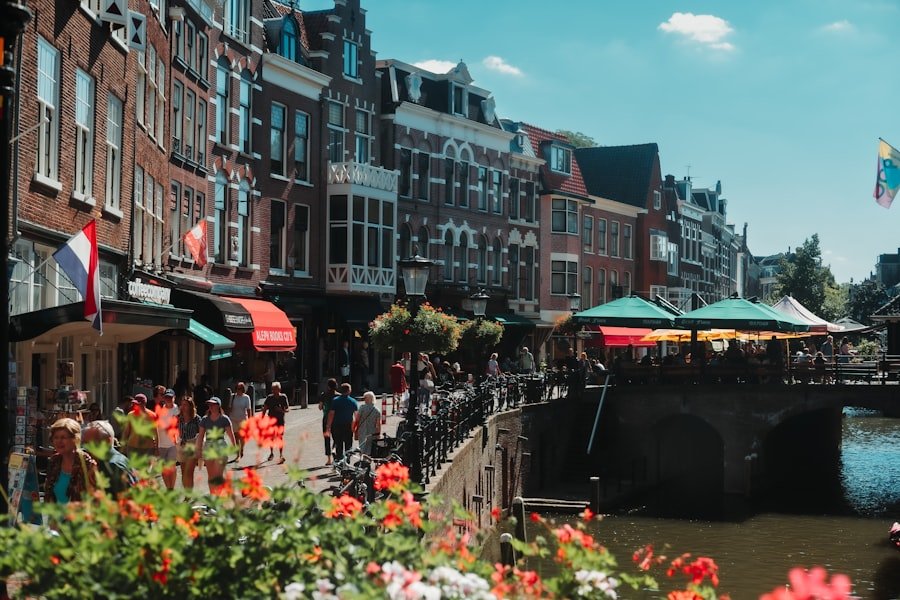
For instance, imagine you’re at a dinner party in Amsterdam, and someone casually mentions that your outfit looks “interesting.” In Dutch culture, this could simply mean they find it unique or different. However, if you hail from a culture where compliments are wrapped in layers of politeness, you might walk away feeling like you’ve just been served a slice of humble pie. The key here is to recognize that while the Dutch value honesty, they also appreciate respect.
It’s a delicate dance that requires both parties to understand each other’s cultural nuances. To give you an example, the Dutch might say you’re special, but not the most special person on the planet.
How Dutch Directness Impacts Daily Life and Interactions
In daily life, Dutch directness manifests in various ways—from casual conversations at the local café to more serious discussions about politics or social issues. You’ll find that small talk in the Netherlands is anything but trivial. Instead of asking about the weather or discussing last night’s reality TV show (yawn), you might find yourself diving into topics like climate change or immigration policies over your morning coffee.
It’s refreshing and invigorating but can also be overwhelming for those unaccustomed to such depth in casual interactions. Moreover, this directness extends to personal relationships as well. Friends and family members often feel free to voice their opinions on everything from your career choices to your love life.
While this can lead to some eye-opening conversations and valuable insights, it can also create tension if one party feels their boundaries are being crossed. Navigating these interactions requires a certain level of emotional intelligence and an understanding that honesty is often rooted in care and concern. Don’t be surprised if the Dutch take your direct response back as an offense. It might be an overstatement but they usually are surprised when non-Dutch are direct right back.
The Role of Directness in Dutch Business and Work Culture
When it comes to business, Dutch directness takes on an entirely new dimension. In the corporate world, clarity and transparency are paramount. Meetings are often characterized by open discussions where everyone is encouraged to share their thoughts—no matter how controversial they may be.
This approach fosters innovation and creativity but can also lead to heated debates that might leave outsiders feeling like they’ve stumbled into a verbal boxing ring. In addition, feedback is delivered with brutal honesty in Dutch workplaces. Performance reviews are not sugar-coated; instead, employees receive straightforward assessments of their strengths and weaknesses.
While this can be daunting for those used to more diplomatic approaches, many find it refreshing and constructive. After all, who doesn’t want to know exactly where they stand? However, it’s essential for foreigners entering this environment to adapt quickly; otherwise, they might find themselves on the receiving end of some unfiltered feedback that could leave them reeling.
Navigating Dutch Directness as a Foreigner
How does one navigate this sea of directness as a foreigner? First and foremost, it’s crucial to embrace the cultural differences rather than shy away from them. Instead of taking comments personally or feeling offended by blunt remarks, try to view them through the lens of cultural context.
Remember that for many Dutch people, honesty is a sign of respect rather than an affront. Additionally, don’t hesitate to ask for clarification if something feels too harsh or confusing. Be direct right back. The Dutch appreciate curiosity and are often more than willing to explain their thought processes.
Engaging in open dialogue about communication styles can help bridge any gaps and foster mutual understanding. And who knows? You might even find yourself adopting some of that delightful directness along the way.
Embracing and Understanding Dutch Directness in Everyday Interactions
Embracing Dutch directness doesn’t mean you have to abandon your own communication style; rather, it’s about finding common ground. Start by practicing active listening—pay attention not only to what is being said but also how it’s being delivered. This will help you gauge whether someone is being genuinely honest or if they’ve crossed into rudeness territory.
Moreover, don’t shy away from being direct yourself! While it may feel uncomfortable at first, expressing your thoughts openly can lead to more meaningful connections with your Dutch friends or colleagues. Just remember to balance honesty with kindness; after all, nobody wants to be known as “that person” who always says what’s on their mind without considering others’ feelings.
Finding the Balance Between Honesty and Respect in Dutch Communication
In conclusion, navigating the waters of Dutch directness can be both exhilarating and challenging. It’s a cultural phenomenon rooted in history and shaped by values that prioritize honesty and transparency above all else. While this approach can lead to some eye-opening conversations and valuable insights, it also requires sensitivity and understanding from both parties involved.