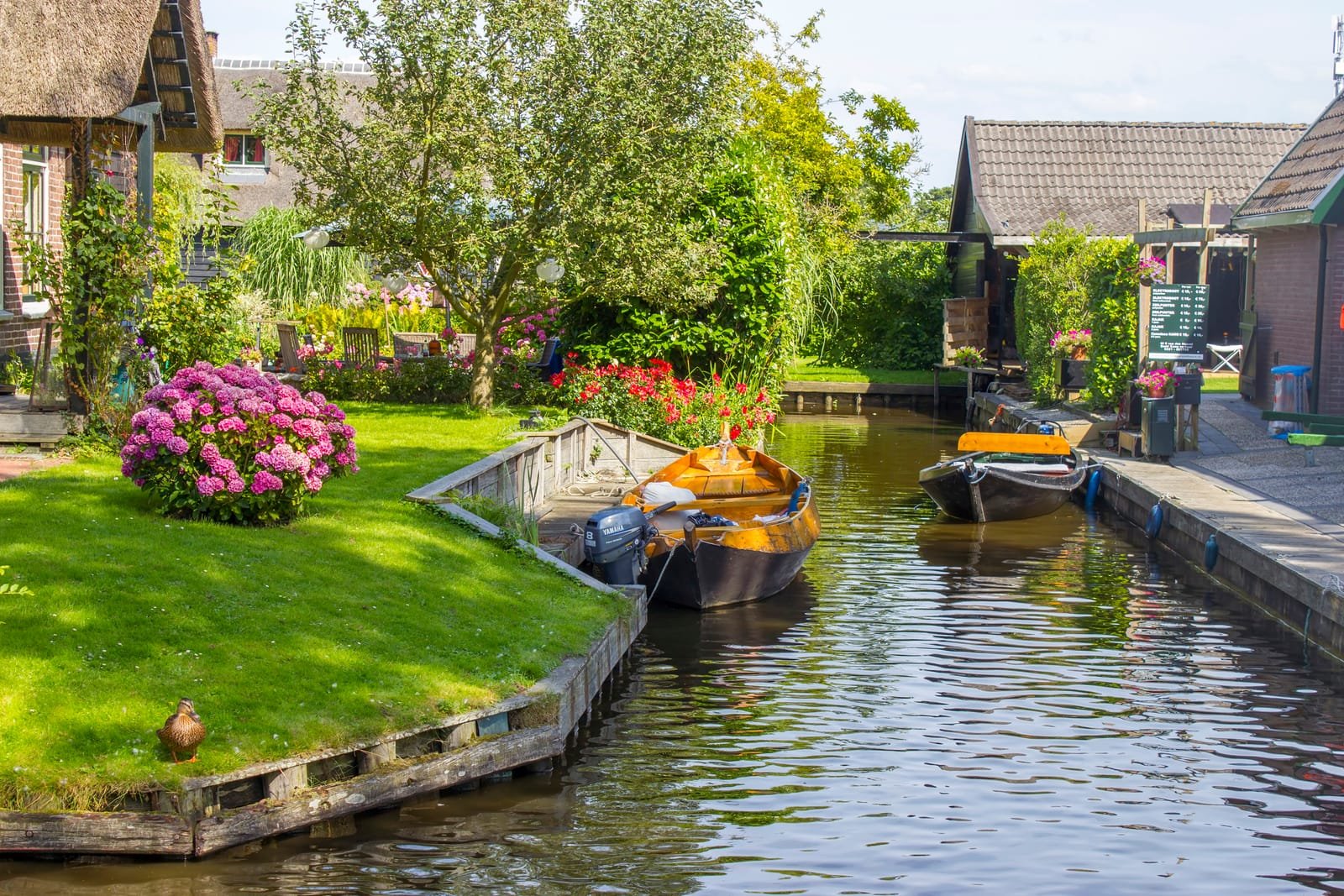
Nestled in the heart of the Netherlands, Giethoorn is often referred to as the “Venice of the North.” This picturesque village, with its serene canals and charming thatched-roof houses, feels like a scene straight out of a fairy tale. As you glide through the waterways in a traditional “whisper boat,” the gentle lapping of water against the hull creates a soothing soundtrack that complements the stunning views. The absence of cars adds to the village’s allure, allowing visitors to immerse themselves in the tranquil atmosphere.
Strolling along the wooden footbridges that crisscross the canals, you can’t help but feel a sense of peace wash over you, as if time has slowed down just for you. The allure of Giethoorn extends beyond its scenic beauty. The village is steeped in history, dating back to the 13th century when it was founded by a group of settlers who discovered an abundance of clay in the area.
This clay was used to create pottery, and remnants of this rich history can still be seen today in the local museums. The charming cafes and shops lining the canals offer a taste of Dutch hospitality, serving up delicious local treats like poffertjes (mini pancakes) and stroopwafels (syrup waffles). Whether you’re sipping coffee while watching swans glide by or exploring the quaint boutiques, Giethoorn has a way of captivating your heart and leaving you longing for more.
The Downside of Giethoorn: Overcrowding and Environmental Impact
However, this idyllic village is not without its challenges. Over the past few years, Giethoorn has experienced an influx of tourists that has transformed it from a hidden gem into a bustling hotspot. During peak season, the once-quiet canals can become congested with boats, making it difficult to appreciate the serene beauty that initially drew visitors in.
The sheer volume of tourists can lead to long waits at popular attractions and crowded pathways, detracting from the peaceful experience many seek when visiting. Moreover, the environmental impact of this surge in tourism cannot be overlooked. The increased boat traffic contributes to water pollution and erosion along the banks of the canals.
Local wildlife, including swans and ducks, faces disruption as their natural habitats are encroached upon by human activity. The delicate balance that sustains Giethoorn’s charm is at risk, prompting concerns about how to preserve this unique environment for future generations. As visitors flock to this picturesque village, it becomes increasingly important to consider the consequences of our travel choices.
Managing the Influx: Balancing Tourism and Conservation
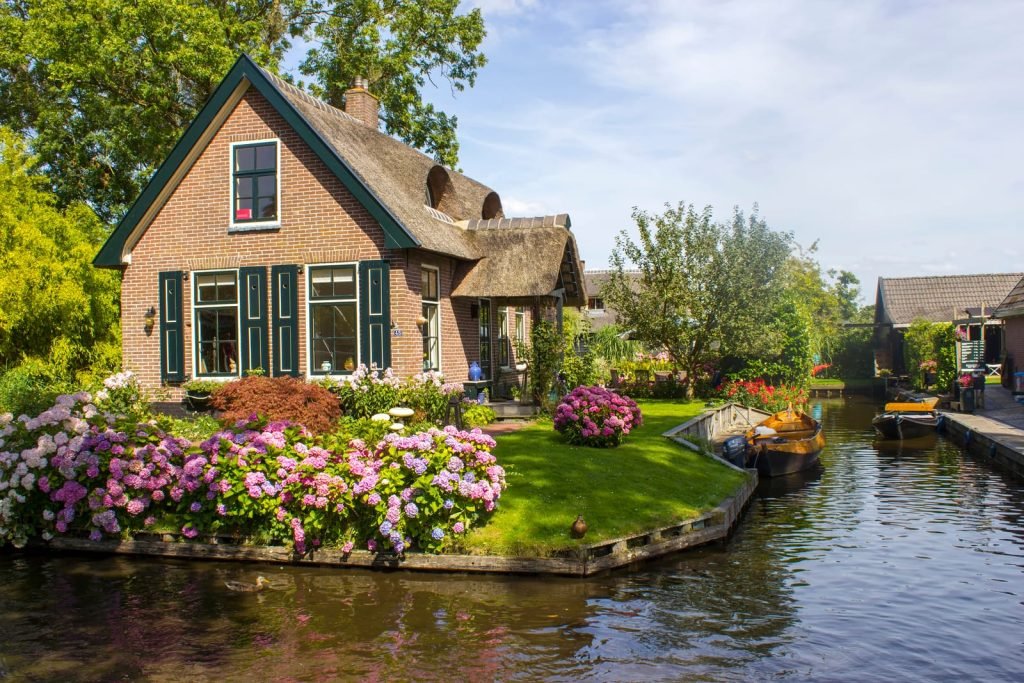
Beautiful, but overcrowded
In response to these challenges, local authorities and community leaders are exploring ways to manage tourism while preserving Giethoorn’s natural beauty. One approach has been to implement visitor caps during peak times, encouraging travelers to visit during off-peak seasons or weekdays. This strategy aims to reduce congestion and allow for a more enjoyable experience for both tourists and residents alike.
Additionally, promoting alternative activities—such as guided nature walks or cycling tours—can help distribute foot traffic more evenly throughout the village. Education plays a crucial role in this balancing act. By raising awareness about the environmental impact of tourism, visitors can make more informed choices during their stay.
Local organizations are working tirelessly to promote sustainable practices, such as using eco-friendly boats and encouraging visitors to respect wildlife habitats. By fostering a sense of stewardship among tourists, Giethoorn can maintain its charm while ensuring that future generations can enjoy its beauty.
The Impact of Tourism on Local Culture and Community
As tourism continues to shape Giethoorn, its impact on local culture and community is becoming increasingly evident. While an influx of visitors can bring economic benefits—such as job creation and increased revenue for local businesses—it can also lead to cultural dilution. Traditional customs and practices may be overshadowed by the demands of catering to tourists, resulting in a loss of authenticity that many travelers seek when exploring new destinations.
Moreover, the relationship between residents and tourists can be complex.
While many locals welcome visitors with open arms, there can also be feelings of frustration as their quiet village transforms into a bustling tourist hub.
The challenge lies in finding ways to celebrate Giethoorn’s unique culture while accommodating the needs of travelers.
Community events that showcase local traditions—such as folk music performances or craft fairs—can help bridge this gap, allowing visitors to engage with the culture in meaningful ways.
Finding Solitude in Giethoorn: Off the Beaten Path
For those seeking a more tranquil experience in Giethoorn, there are plenty of opportunities to escape the crowds and discover hidden gems. One such option is to explore the lesser-known canals that wind through the outskirts of the village. These quieter waterways offer a chance to connect with nature and enjoy the stunning scenery without the hustle and bustle of tourist boats.
Renting a kayak or canoe allows you to paddle at your own pace while soaking in the beauty of your surroundings. Another way to find solitude is by venturing into nearby nature reserves, such as Weerribben-Wieden National Park. This expansive area boasts lush wetlands, diverse wildlife, and scenic walking trails that provide a welcome respite from the busy village center.
Here, you can immerse yourself in the sights and sounds of nature while enjoying a peaceful picnic or simply taking in the breathtaking views. By seeking out these off-the-beaten-path experiences, you can create lasting memories while avoiding the crowds.
Sustainable Tourism: Preserving Giethoorn’s Natural Beauty
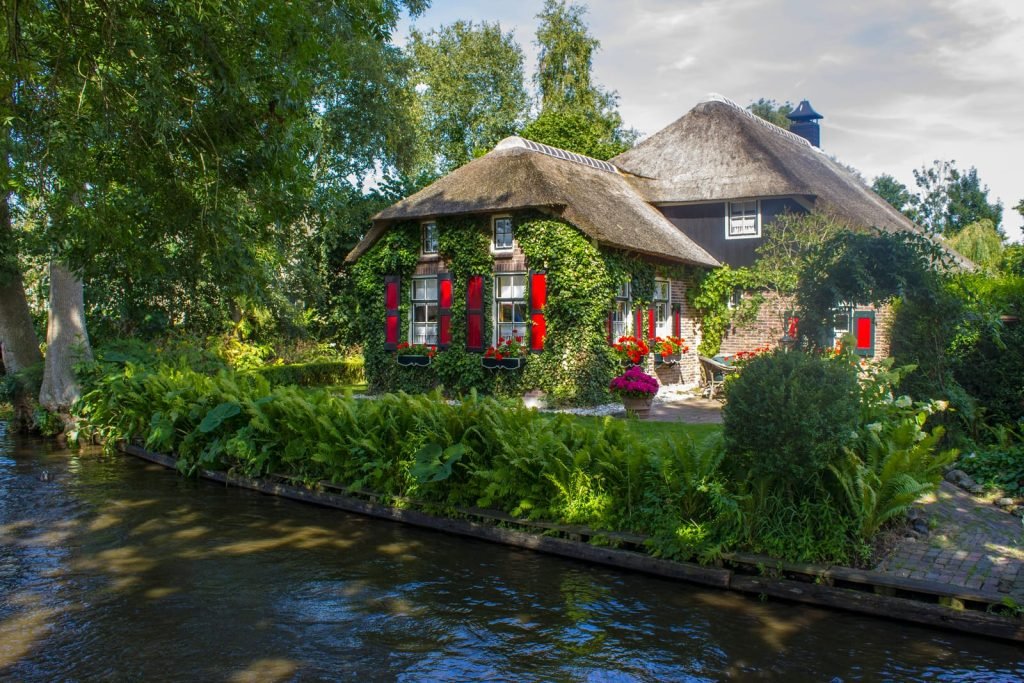
Beautiful in summer but is there room?
Sustainable tourism is essential for preserving Giethoorn’s natural beauty and ensuring that future generations can enjoy its charm.
Local businesses are increasingly adopting eco-friendly practices, such as using solar-powered boats and promoting waste reduction initiatives.
By supporting these efforts, visitors can contribute to a more sustainable future for this enchanting village.
Additionally, travelers can make conscious choices during their stay by opting for accommodations that prioritize sustainability. Many local guesthouses and hotels are committed to minimizing their environmental impact through energy-efficient practices and responsible sourcing of food and materials. By choosing to stay at these establishments, visitors not only enjoy a unique experience but also support the local economy and contribute to conservation efforts.
The Future of Giethoorn: Finding a Balance for Sustainable Tourism
As Giethoorn navigates the challenges posed by increased tourism, finding a balance between welcoming visitors and preserving its unique character will be crucial. Ongoing dialogue between local authorities, residents, and tourism stakeholders will play a vital role in shaping policies that protect both the environment and community interests. By prioritizing sustainable practices and fostering a sense of responsibility among tourists, Giethoorn can continue to thrive as a beloved destination.
Looking ahead, innovative solutions will be key to maintaining this balance. Embracing technology—such as online reservation systems for boat rentals or timed entry tickets for popular attractions—can help manage visitor flow while enhancing the overall experience. Additionally, promoting year-round tourism through seasonal events or festivals can encourage travelers to explore Giethoorn beyond peak summer months, alleviating some pressure on resources.
Tips for Responsible Travel in Giethoorn
If you’re planning a visit to Giethoorn, there are several ways you can practice responsible travel while enjoying all that this charming village has to offer. First and foremost, consider visiting during off-peak times or weekdays when crowds are thinner. This not only enhances your experience but also helps reduce congestion for residents.
When exploring the canals, opt for eco-friendly transportation options like electric boats or kayaks instead of traditional gas-powered vessels. Respect wildlife by keeping a safe distance from nesting areas and avoiding loud noises that could disturb local animals. Additionally, be mindful of your waste—carry reusable water bottles and snacks to minimize single-use plastics.