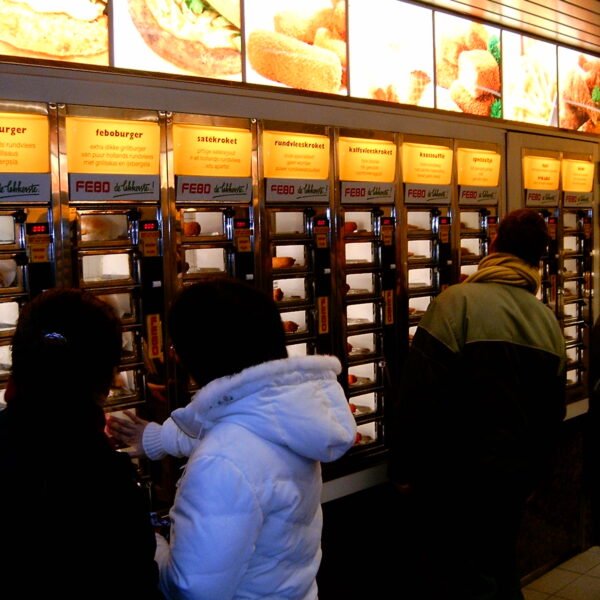

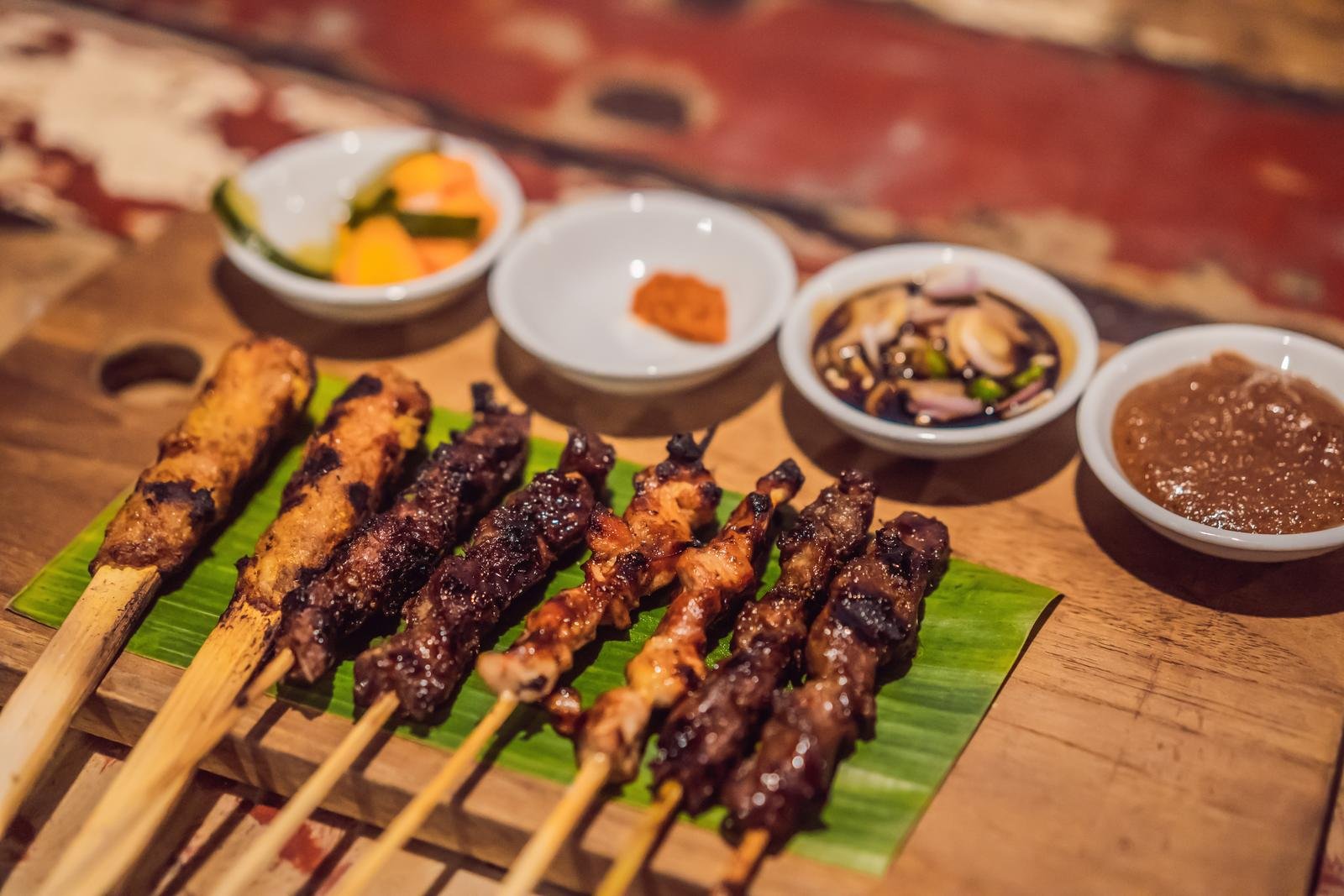
When you think of Dutch cuisine, images of hearty stews, potatoes, and perhaps a herring or two might come to mind. However, lurking beneath the surface of this seemingly straightforward fare is a vibrant tapestry woven with the rich flavors and aromas of Indonesian cuisine. The connection between Indonesia and the Netherlands is not merely historical; it has evolved into a culinary relationship that has transformed the Dutch palate.
This influence is a testament to the complex history shared by these two nations, where spices and traditions have traveled across oceans, creating a unique fusion that continues to thrive today. Indonesian cuisine has made its mark on Dutch food culture in ways that are both subtle and profound. From the fragrant notes of lemongrass and galangal to the fiery kick of sambal, these ingredients have found their way into Dutch kitchens, enriching traditional recipes and introducing new flavors.
The melding of these two culinary worlds is not just about food; it reflects a broader cultural exchange that has shaped identities and fostered connections between people. As we explore this fascinating intersection, we will uncover the historical roots, key ingredients, and the ongoing legacy of Indonesian influence on Dutch cuisine.
Historical Background of Indonesian-Dutch Culinary Fusion
The historical ties between Indonesia and the Netherlands date back to the 17th century when the Dutch East India Company established trade routes in Southeast Asia. This period marked the beginning of a complex relationship that would see the Netherlands colonize Indonesia for over three centuries. During this time, Dutch colonizers were introduced to a new ingredients and cooking techniques that would eventually seep into their own culinary practices.
The spices that once fueled the Age of Exploration became staples in Dutch kitchens, forever altering the landscape of Dutch cuisine. As the colonial era progressed, so did the culinary exchange. The Dutch began to adopt Indonesian dishes, often adapting them to suit local tastes.
This fusion was not merely a one-way street; it was a dynamic interplay where both cultures influenced each other. The introduction of rice as a staple food in the Netherlands is one such example. While traditionally associated with Indonesian meals, rice has become a common accompaniment to many Dutch dishes.
The historical context of this culinary fusion is essential to understanding how deeply ingrained Indonesian flavors have become in Dutch food culture.
Key Indonesian Ingredients and Dishes in Dutch Cuisine
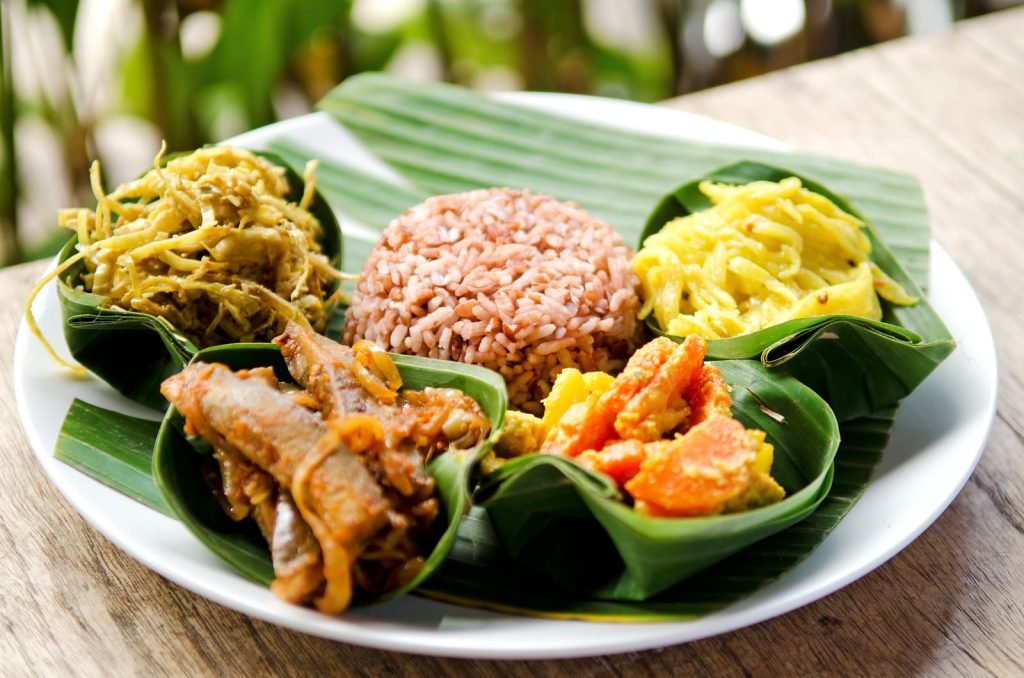
At the heart of this culinary fusion are several key Indonesian ingredients that have made their way into Dutch recipes. One cannot discuss Indonesian influence without mentioning sambal, a spicy chili paste that adds heat and depth to countless dishes. In the Netherlands, sambal has become a beloved condiment, often served alongside fried snacks or used as a flavor enhancer in stews and sauces.
Its versatility has made it a staple in many households, showcasing how an Indonesian ingredient can seamlessly integrate into Dutch cooking. Another significant ingredient is kecap manis, a sweet soy sauce that brings a unique umami flavor to dishes. This syrupy sauce is often used in marinades or as a dipping sauce, adding a touch of sweetness that balances out savory flavors.
Dishes like nasi goreng (fried rice) have also found their way into Dutch homes, often prepared with local ingredients but retaining their Indonesian essence.
The popularity of these ingredients highlights how they have transcended their origins, becoming integral to the Dutch culinary landscape.
The Role of Indonesian Restaurants and Warungs in the Netherlands
Indonesian restaurants and warungs (small eateries) play a crucial role in preserving and promoting this culinary heritage in the Netherlands. These establishments serve as cultural hubs where people can experience authentic Indonesian flavors while also enjoying a slice of history. From bustling cities like Amsterdam to quaint towns across the country, you can find an array of Indonesian dining options that cater to both locals and tourists alike.
Dining at an Indonesian restaurant is often an experience in itself. Many establishments offer rijsttafel, a traditional feast featuring an array of small dishes served with rice. This communal style of dining encourages sharing and exploration, allowing diners to sample various flavors and textures.
The atmosphere is typically warm and inviting, reflecting the hospitality that is central to Indonesian culture. For many Dutch people, these restaurants are not just places to eat; they are gateways to understanding a rich culinary tradition that has become part of their own identity.
Influence of Indonesian Food on Dutch Home Cooking
The impact of Indonesian cuisine extends beyond restaurants; it has also made its way into Dutch home cooking. Many families have adopted Indonesian recipes into their weekly meal rotations, often putting their own spin on traditional dishes. This blending of culinary practices showcases how food can serve as a bridge between cultures, allowing families to connect with their heritage while also embracing new flavors.
Home cooks often experiment with Indonesian spices and techniques, creating dishes that reflect their personal tastes while honoring traditional recipes. For instance, you might find a Dutch family preparing a curry using local vegetables or incorporating sambal into their favorite pasta dish. This adaptability speaks to the enduring appeal of Indonesian flavors and highlights how they have become part of everyday life in the Netherlands.
Indonesian-Dutch Fusion Dishes and their Popularity
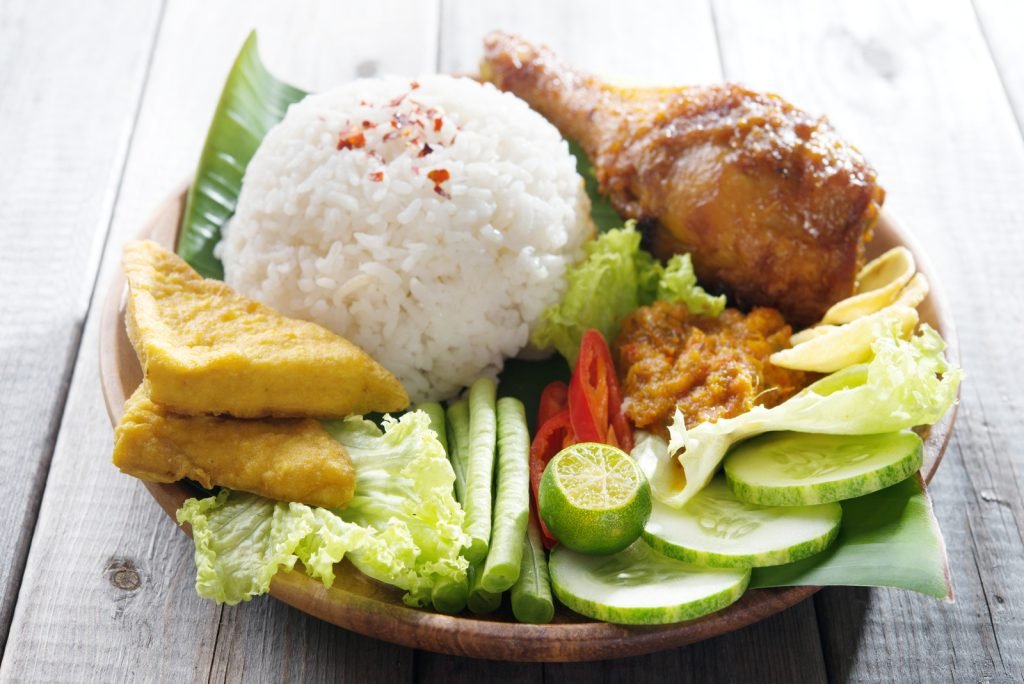
Dutch Indonesian food can be a mix of many flavors
As the culinary landscape continues to evolve, so too does the creativity surrounding Indonesian-Dutch fusion dishes. Chefs and home cooks alike are experimenting with new combinations that celebrate both cultures while pushing the boundaries of traditional recipes.
One popular example is the “Indo-Burger,” which features a juicy beef patty topped with sambal mayo and pickled vegetables—a delightful nod to both Indonesian and Dutch flavors.
Another exciting fusion dish is “Nasi Kebab,” where traditional kebabs are served alongside fragrant fried rice instead of pita bread. This innovative approach not only showcases the versatility of both cuisines but also appeals to a younger generation eager for new dining experiences. The popularity of these fusion dishes reflects a growing appreciation for culinary diversity and an eagerness to explore new flavor profiles.
Indonesian Food in Dutch Festivals and Celebrations
Indonesian cuisine has also carved out a place in Dutch festivals and celebrations, further solidifying its status as an integral part of the cultural fabric. Events such as Koningsdag (King’s Day) often feature food stalls offering traditional Indonesian dishes alongside more typical Dutch fare. This blending of cuisines at public celebrations highlights how food can bring people together, fostering a sense of community and shared experience.
Moreover, cultural festivals celebrating Indonesia’s rich heritage provide opportunities for people to engage with its culinary traditions. These events often showcase cooking demonstrations, allowing attendees to learn about traditional techniques while sampling delicious dishes like rendang or gado-gado. Such gatherings not only promote awareness of Indonesian culture but also encourage appreciation for its culinary contributions to Dutch society.
The Future of Indonesian Influence on Dutch Cuisine
Looking ahead, the future of Indonesian influence on Dutch cuisine appears bright. As globalization continues to shape our culinary landscape, there is an increasing interest in exploring diverse flavors and cooking techniques from around the world. The younger generation is particularly enthusiastic about experimenting with international cuisines, leading to innovative fusions that celebrate cultural diversity.
Moreover, as more people travel and experience Indonesia firsthand, they return home with newfound appreciation for its culinary traditions. This exchange fosters curiosity and encourages home cooks to incorporate authentic recipes into their own kitchens. With an ever-growing interest in sustainability and local sourcing, there is also potential for further collaboration between Indonesian farmers and Dutch chefs, creating opportunities for fresh ingredients to be used in innovative ways.
In conclusion, the influence of Indonesian cuisine on Dutch food culture is a rich tapestry woven from history, tradition, and innovation. From key ingredients that have become staples in Dutch kitchens to vibrant restaurants that celebrate this culinary heritage, the connection between these two cultures continues to thrive. As we look toward the future, it’s clear that this delicious fusion will only grow stronger, inviting more people to explore the flavors that unite us all through food.