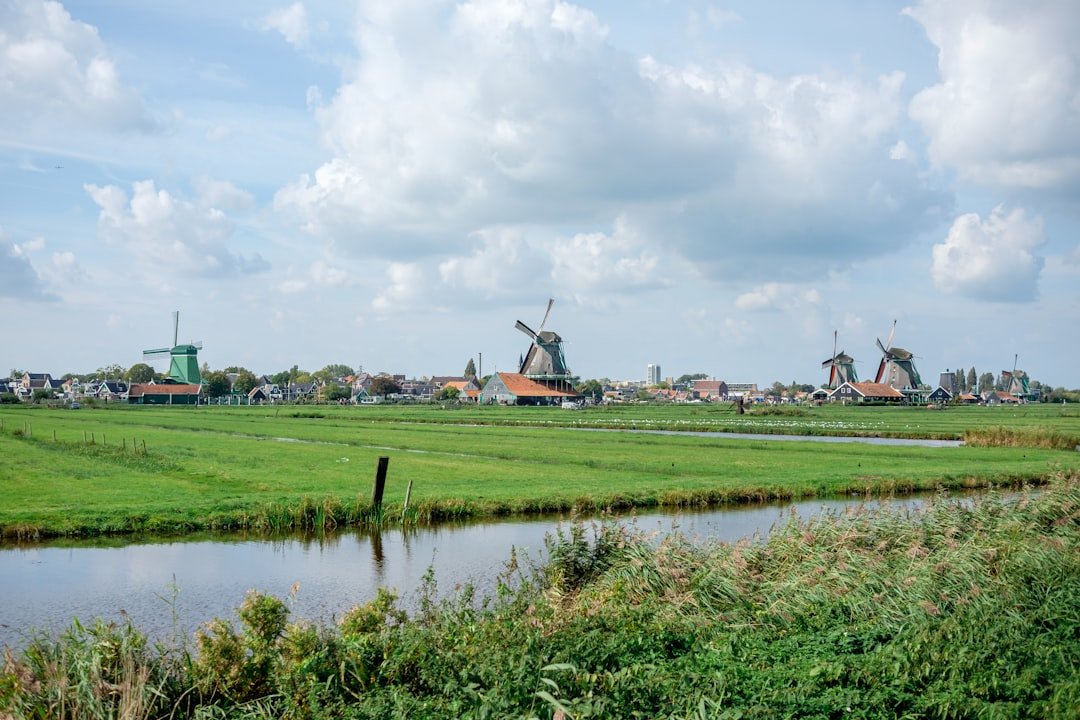
Polders are a fascinating aspect of land management, particularly in the Netherlands, where they have become synonymous with the country’s battle against water.
The Dutch have been perfecting the art of polder creation for centuries, transforming what was once inhospitable marshland into fertile ground for agriculture and habitation.
The very word “polder” evokes images of windmills, dikes, and sprawling fields of tulips, all of which are integral to the Dutch landscape. The concept of a polder is simple yet profound: it involves creating a system that allows for the drainage of water from an area, effectively turning it into usable land. This process not only showcases the engineering prowess of the Dutch but also highlights their relationship with water—a relationship that is both adversarial and symbiotic.
As we explore the history, engineering, environmental impact, and future of polders, it becomes clear that these unique landscapes are more than just agricultural zones; they are a vital part of Dutch identity and culture.
The Early History of Polder Development in the Netherlands
The history of polder development in the Netherlands dates back to the Middle Ages, when communities began to realize that they could reclaim land from the sea. In fact, the oldest government agency still in existence in the Netherlands is the water management bureau. The earliest polders were created around the 11th century, primarily in the provinces of Holland and Zeeland. These initial efforts were rudimentary at best, relying on simple dikes made from earth and reeds to hold back the encroaching waters.
The inhabitants of these regions were often at the mercy of nature, facing devastating floods that could wipe out entire villages. As time progressed, so did the techniques used in polder creation. By the 13th century, more sophisticated methods emerged, including the use of windmills to pump water out of low-lying areas.
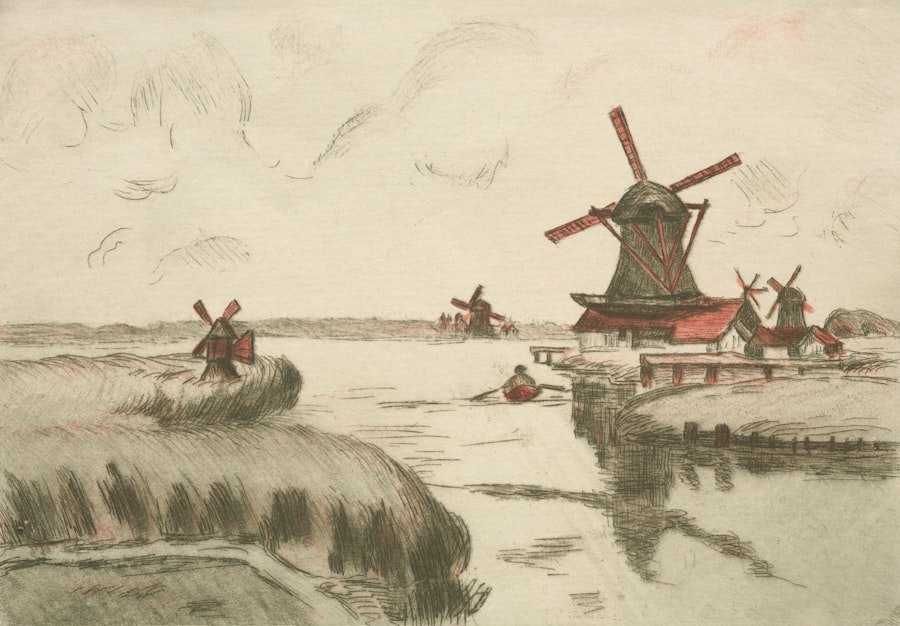
This innovation marked a turning point in polder development, allowing for larger areas to be reclaimed and cultivated. The famous Dutch windmills became symbols of this era, standing tall against the backdrop of a landscape transformed by human effort. The reclamation of land not only provided agricultural opportunities but also fostered a sense of community and resilience among the Dutch people.
The Engineering Feats Behind Polder Creation

Creating a polder is no small feat; it requires meticulous planning and engineering expertise. The process begins with the construction of dikes—earthen barriers designed to hold back water from rivers or the sea. These dikes must be robust enough to withstand the forces of nature, especially during storms or high tides.
Engineers use a combination of local materials and advanced techniques to ensure their stability, often incorporating drainage systems that allow excess water to be managed effectively. Once the dikes are in place, the real work begins. Water is pumped out using windmills or modern electric pumps, lowering the water table and allowing the land to dry out.
This process can take years, depending on the size of the area being reclaimed. Afterward, soil quality is assessed and improved through various agricultural practices, making it suitable for farming. The entire operation is a remarkable blend of natural resource management and engineering skill, showcasing how humans can adapt their environment to meet their needs.
The Environmental Impact of Polder Development
While polders have undoubtedly provided benefits in terms of land reclamation and agricultural production, they have also had significant environmental consequences. The transformation of wetlands into dry land disrupts local ecosystems and can lead to a loss of biodiversity. Many species that thrived in these natural habitats find themselves displaced or endangered as their environments are altered beyond recognition.
Moreover, the drainage of water from polders can lead to subsidence—a gradual sinking of the land due to the compaction of soil. This phenomenon poses a long-term risk to the stability of polders, as well as to surrounding areas that may experience increased flooding as a result. The delicate balance between land use and environmental preservation is a challenge that modern engineers and policymakers must navigate carefully.
The Agricultural and Economic Benefits of Polders
Despite their environmental challenges, polders have played a crucial role in bolstering the agricultural sector in the Netherlands. The fertile soil created through polder development has allowed for high yields in crops such as potatoes, grains, and vegetables. This agricultural bounty has not only fed the local population but has also positioned the Netherlands as one of the world’s leading exporters of agricultural products.
The economic benefits extend beyond agriculture. Polders have facilitated urban development and infrastructure growth, providing space for housing, industry, and transportation networks. The reclamation of land has allowed cities like Amsterdam and Rotterdam to expand and thrive, contributing significantly to the national economy.
In essence, polders have become engines of growth, driving innovation and prosperity in a country that has learned to live with water rather than against it.
Challenges and Risks Associated with Polder Management
Managing polders is not without its challenges. As climate change continues to impact global weather patterns, rising sea levels pose an increasing threat to these low-lying areas. The very systems designed to protect polders from flooding may become overwhelmed as storms grow more intense and frequent.
This reality necessitates ongoing investment in infrastructure and technology to ensure that polders remain safe and viable. Additionally, there is an ongoing debate about land use within polders. As urbanization increases, pressure mounts on agricultural land to accommodate housing and commercial development.
Striking a balance between preserving agricultural space and meeting urban demands is a complex issue that requires careful planning and community engagement. The future of polder management will depend on innovative solutions that address both environmental sustainability and economic growth.
The Future of Polder Development in the Netherlands and Beyond
Looking ahead, the future of polder development is likely to be shaped by advancements in technology and changing societal needs. Innovations in water management systems—such as smart drainage technologies—could enhance the efficiency and effectiveness of polder maintenance.
Globally, other countries facing similar challenges with water management may look to the Dutch model as a source of inspiration. As climate change continues to affect coastal regions worldwide, lessons learned from centuries of polder development could inform strategies for land reclamation and flood prevention elsewhere. The Dutch experience serves as a reminder that while we can reshape our environment, we must also respect its limits.
The Legacy of Polders and Their Impact on Dutch Society
Polders are more than mere geographical features; they represent a profound legacy woven into the fabric of Dutch society. From their early beginnings as simple earthen barriers to their current status as complex systems of land management, polders embody human resilience and ingenuity in the face of nature’s challenges. They have transformed landscapes, supported economies, and shaped communities over centuries.
As we reflect on the impact of polders on Dutch culture and identity, it becomes clear that they are emblematic of a broader narrative about humanity’s relationship with water. The ongoing evolution of polder management will undoubtedly continue to influence not only agricultural practices but also environmental policies and urban planning in the Netherlands and beyond. In this way, polders stand as a testament to what can be achieved when we harness our creativity and determination to adapt our world for future generations.