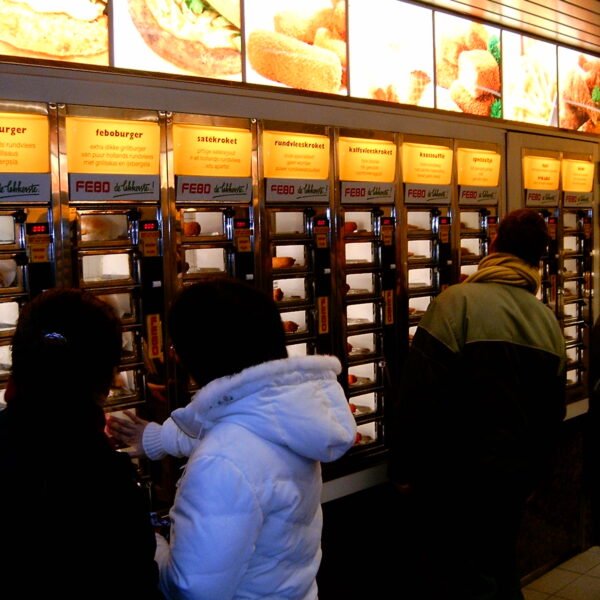

When the days grow shorter and the air turns damp and cold, something unmistakably Dutch begins to appear on street corners: the oliebollenkraam, a humble stall filled with the smell of frying dough and powdered sugar. That first sight each year means one thing—winter is almost here or has arrived in the Netherlands.
There’s something deeply nostalgic about it. While it might not be Halloween decorations in August, the arrival of oliebollen is getting earlier each year. Yet you might be cycling through drizzle, hands frozen on the handlebars, when the warm scent catches you. A paper bag of oliebollen in hand, sugar dusting your gloves, and steam rising from the bag—it feels like a small victory against the cold.
A Tradition as Old as the New Year
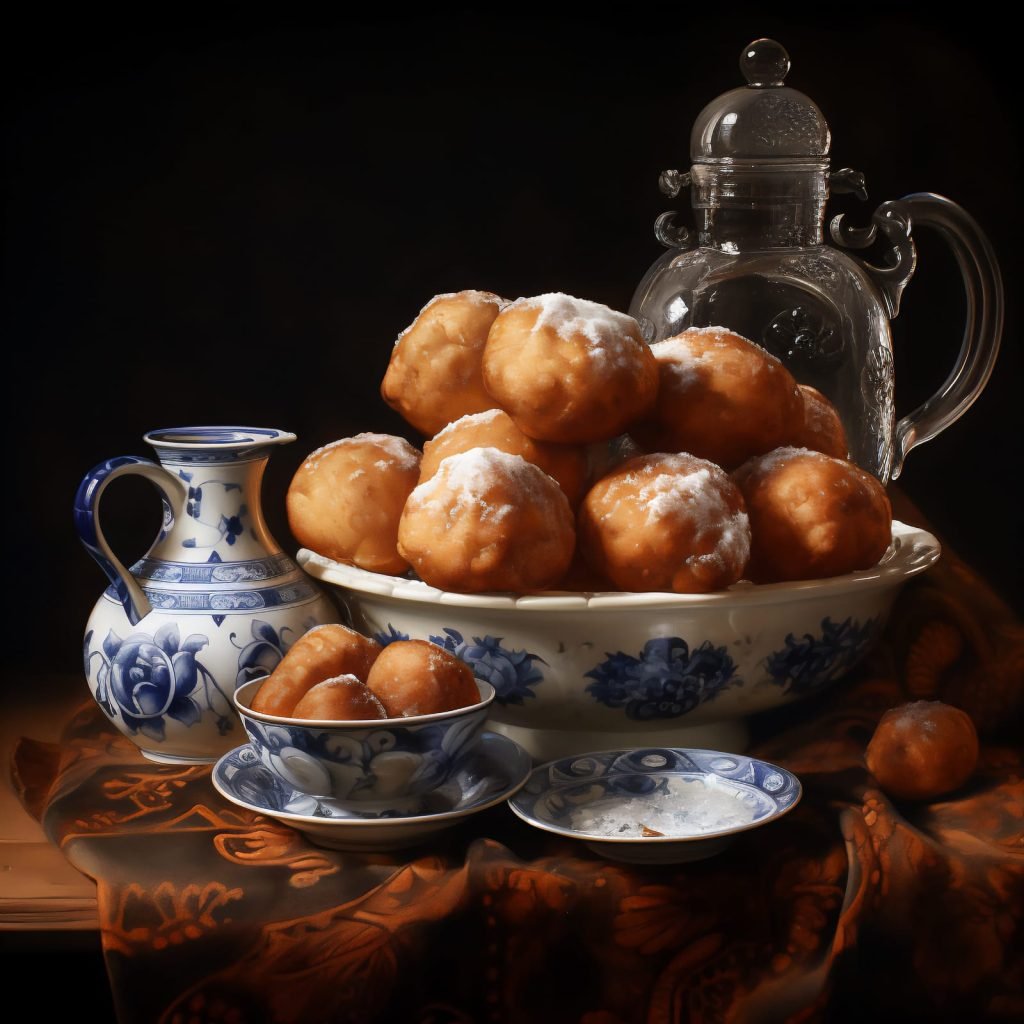
Oliebollen—literally “oil balls”—have been part of Dutch winters for centuries. The earliest recipes date back to the 1600s, and you can even spot them in Dutch Golden Age paintings. Some historians say they came from early Germanic Yule treats. Others point to Dutch settlers who carried them to America, where they evolved into modern doughnuts.
Back then, oliebollen were more than a snack. They were a symbol of luck. The old belief said that eating them during midwinter festivals protected you from evil spirits. Whether or not that’s true, there’s something magical about the way a simple fried dough ball can warm up a cold evening.
The Dutch Winter Marker
For many Dutch people, oliebollen are tied to memories of New Year’s Eve. Parents or grandparents frying them at home, the kitchen windows fogged up from the oil, laughter and powdered sugar everywhere. Or buying a few from a street stall on the way home, eating them still hot while waiting for the tram.
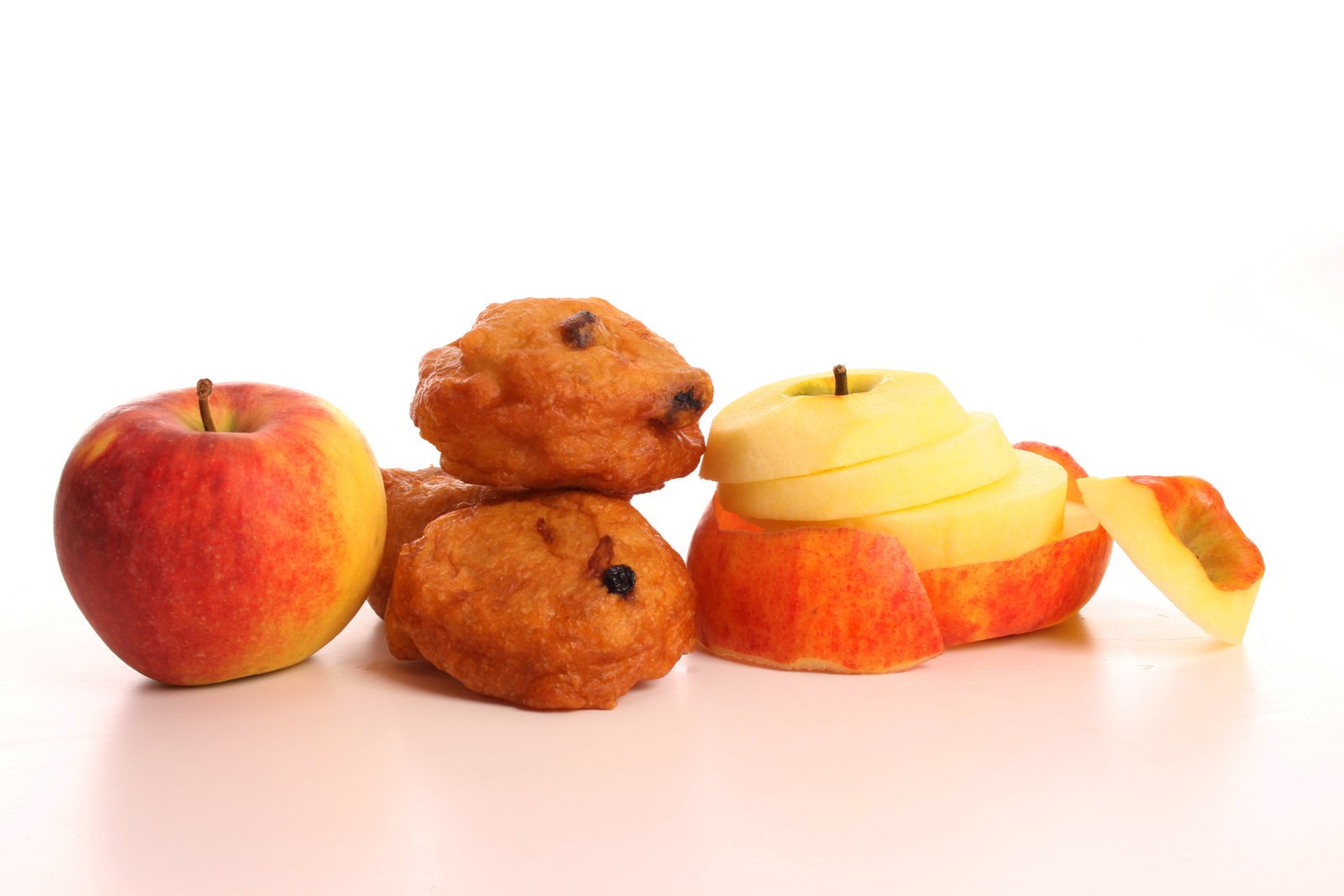
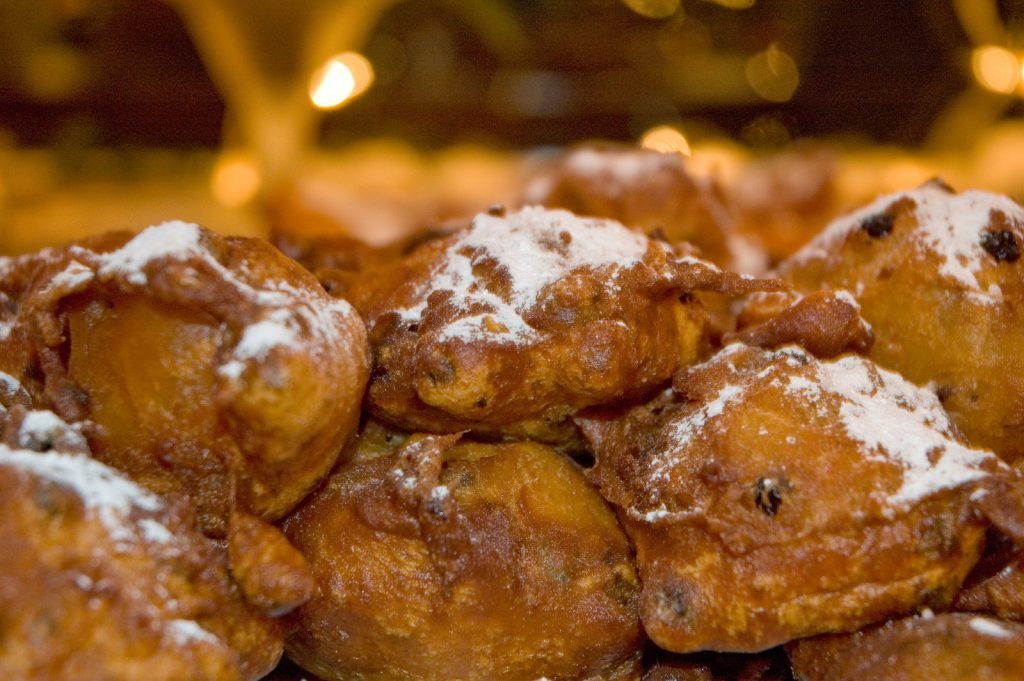
They’re simple, imperfect, and honest—like much of Dutch life. You’ll find them plain or filled with raisins, currants, or apple pieces, always finished with a snowfall of powdered sugar. Every region, and every family, quietly believes theirs are the best.
Easy Oliebollen Recipe
Ingredients (makes about 20):
- 500 g all-purpose flour
- 10 g salt
- 25 g sugar
- 1 packet (7 g) active dry yeast
- 300 ml warm milk
- 2 eggs
- 150 g raisins or currants (optional)
- 1 apple, peeled and chopped (optional)
- Powdered sugar for dusting
- Oil for frying
Instructions:
- Soak raisins or currants in warm water for 15 minutes, then drain.
- In a bowl, mix flour, salt, and sugar.
- In another bowl, dissolve yeast in warm milk, then whisk in eggs.
- Combine wet and dry ingredients. Stir until smooth.
- Fold in raisins and apple if using.
- Cover the bowl with a damp cloth. Let rise for 1 hour in a warm place.
- Heat oil in a deep pot to 180°C.
- Drop spoonfuls of batter into the oil. Fry for 4–6 minutes, turning once, until golden brown.
- Drain on paper towels and dust with powdered sugar.
A Sweet Slice of Dutch Life
The return of oliebollen each year marks the Dutch seasons. In a country known for modesty and practicality, oliebollen are the fried proof that Dutch comfort comes in small, round, sugar-dusted forms.