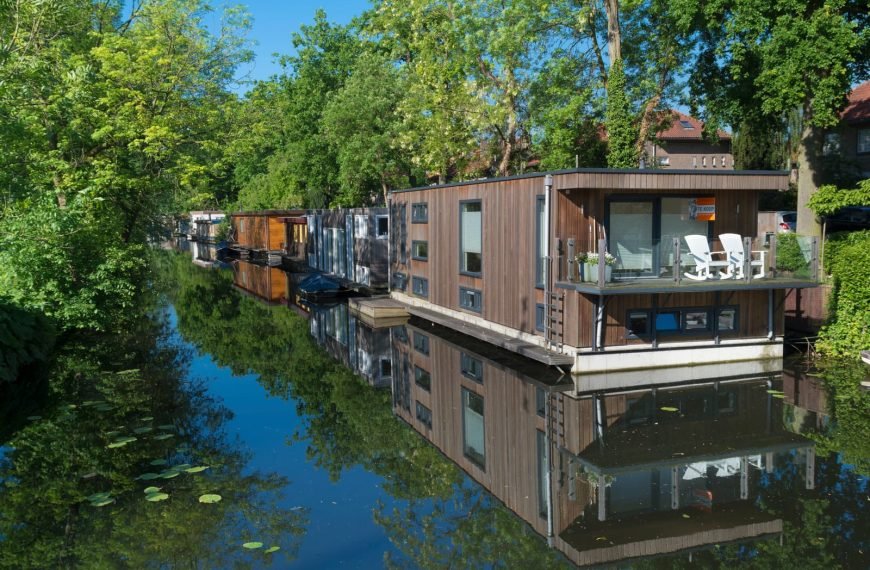

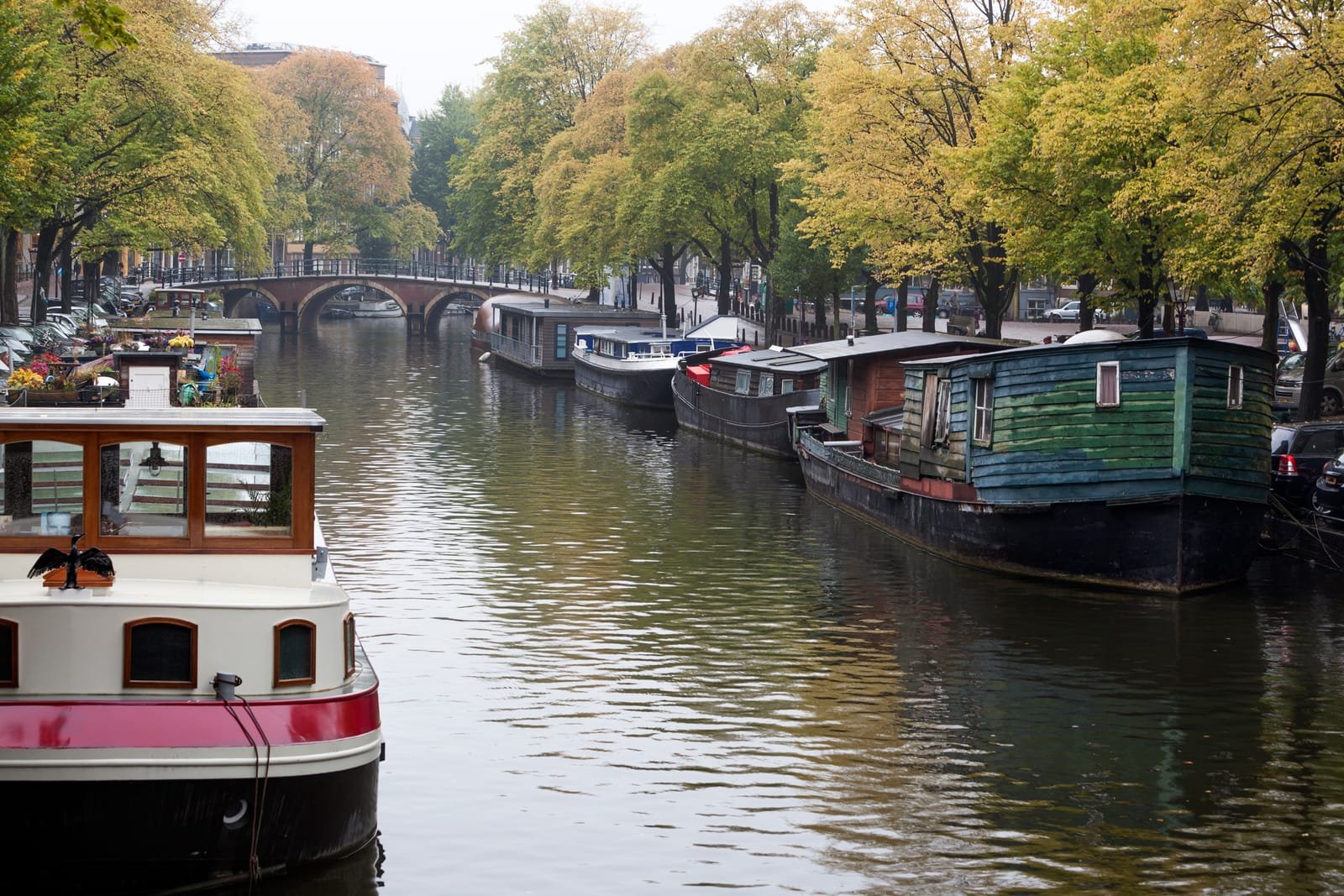
Living on a houseboat in the Netherlands is a dream for many, and it’s not hard to see why. Picture this: you wake up to the gentle lapping of water against the hull, the soft glow of morning light filtering through your window, and the vibrant colors of the canals reflecting the changing seasons. The Dutch have mastered the art of living on water, and their houseboats are not merely floating homes; they are a lifestyle choice that embodies freedom, creativity, and a unique connection to nature.
Faced with a lack of housing, the houseboats pulled into waterways primarily after WWII. Some have become architectural marvels: you’re allowed to build up but not out. Others have fallen in neglect or are two close to tourist areas to be liveable.
The charm of houseboat living lies in its ability to blend urban life with serene waterfront views, offering a rare balance that many city dwellers crave. Moreover, houseboat communities often foster a sense of camaraderie among residents. Unlike traditional neighborhoods, where people may come and go without much interaction, living on the water encourages a more communal atmosphere.
Neighbors often share tips on boat maintenance, swap stories over a cup of coffee on the deck, or even organize social events that celebrate their unique way of life. This sense of belonging can be incredibly appealing, especially for those who thrive in close-knit environments. The allure of waking up in a picturesque setting, surrounded by like-minded individuals, makes houseboat living an enticing option for many.
However, if you ever get the chance to live this – for example, there are only 2,500 boats allowed in Amsterdam – there are some serious drawbacks. Noise and tourism are constant: people gazing into your space day and night are part and parcel of houseboat life. Yet the number one issue for houseboats is the water; the canals are constantly attempting to reclaim the floating properties.
Challenges of Moisture and Humidity in Houseboat Living
The Dangers of Moisture and Humidity
Houseboats are inherently exposed to water, which can lead to persistent dampness if not managed properly. This moisture can seep into walls, floors, and furniture, creating an environment that is not only uncomfortable but also potentially harmful to health. Mold and mildew thrive in humid conditions, posing risks to respiratory health and overall well-being.
The Impact on Health and Structure
For those who are sensitive to allergens or have existing health issues, the humid environment can be a significant concern. Additionally, the constant battle against humidity can take a toll on the structural integrity of the houseboat itself. Wood, which is commonly used in houseboat construction, is particularly susceptible to rot when exposed to moisture over time.
Regular Maintenance is Key
This means that regular maintenance is essential to ensure that your floating home remains safe and sound. Homeowners must be vigilant about checking for leaks, ensuring proper ventilation, and investing in materials that can withstand the unique challenges posed by life on the water. While these challenges may seem daunting, they are manageable with the right knowledge and preparation.
Tips for Managing Moisture and Humidity on a Houseboat
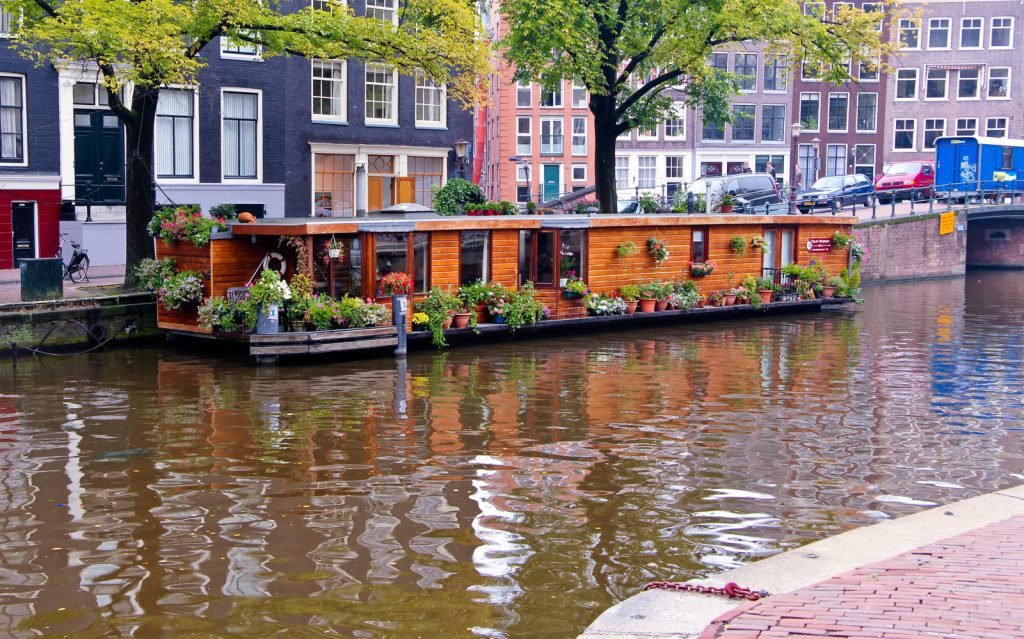
Yes, it’s pretty, but does it have a basement?
Managing moisture and humidity on a houseboat requires a proactive approach. First and foremost, proper ventilation is key. Installing vents or using dehumidifiers can help circulate air and reduce humidity levels inside your home.
Opening windows when weather permits allows fresh air to flow through, which can significantly decrease dampness. Additionally, consider using moisture-absorbing products like silica gel or activated charcoal in enclosed spaces to help keep humidity at bay. Another effective strategy is to invest in high-quality insulation.
Insulating your houseboat not only helps regulate temperature but also minimizes condensation buildup. This is particularly important during colder months when warm air inside meets the chill of the water outside. Using materials designed for marine environments can make a world of difference in maintaining a comfortable living space.
Regularly checking for leaks and sealing any gaps will also go a long way in preventing moisture from infiltrating your home.
Romantic Aspects of Living on a Houseboat
Beyond the practicalities of houseboat living lies an undeniable romantic allure. Imagine sipping your morning coffee while watching swans glide gracefully across the water or enjoying candlelit dinners under a canopy of stars reflected in the canal below. The ambiance created by living on water is simply unmatched; it offers an ever-changing backdrop that adds a touch of magic to everyday life.
The gentle sway of the boat can feel like a lullaby, lulling you into relaxation after a long day. Moreover, houseboat living often encourages a slower pace of life. With nature as your neighbor and the hustle and bustle of city life just a stone’s throw away, you can choose when to engage with the outside world and when to retreat into your own little haven.
This balance fosters deeper connections with loved ones as you share intimate moments aboard your floating home.
Whether it’s hosting friends for a barbecue on the deck or enjoying quiet evenings with a partner while watching the sunset over the water, these experiences create lasting memories that are hard to replicate elsewhere.
Practical Considerations for Houseboat Living in the Netherlands
While the romantic aspects of houseboat living are enticing, practical considerations cannot be overlooked. First and foremost is understanding local regulations regarding mooring and living on water. Each municipality in the Netherlands has its own rules governing houseboats, including where you can dock and what permits you may need. Amsterdam might be the strictest of all.
It’s essential to familiarize yourself with these regulations before making any commitments to ensure that your dream home doesn’t turn into a bureaucratic nightmare. Another practical aspect is ensuring access to utilities such as electricity and water. Most houseboats have regular hookups to utilities and sewage. Many houseboats are equipped with solar panels or wind turbines for energy needs, while others may rely on traditional power sources.
Water supply can also vary; some boats have tanks that need regular refilling, while others are connected directly to municipal systems. Understanding these logistics will help you plan for daily living and avoid any unpleasant surprises down the line.
The Future of Houseboat Living in the Netherlands
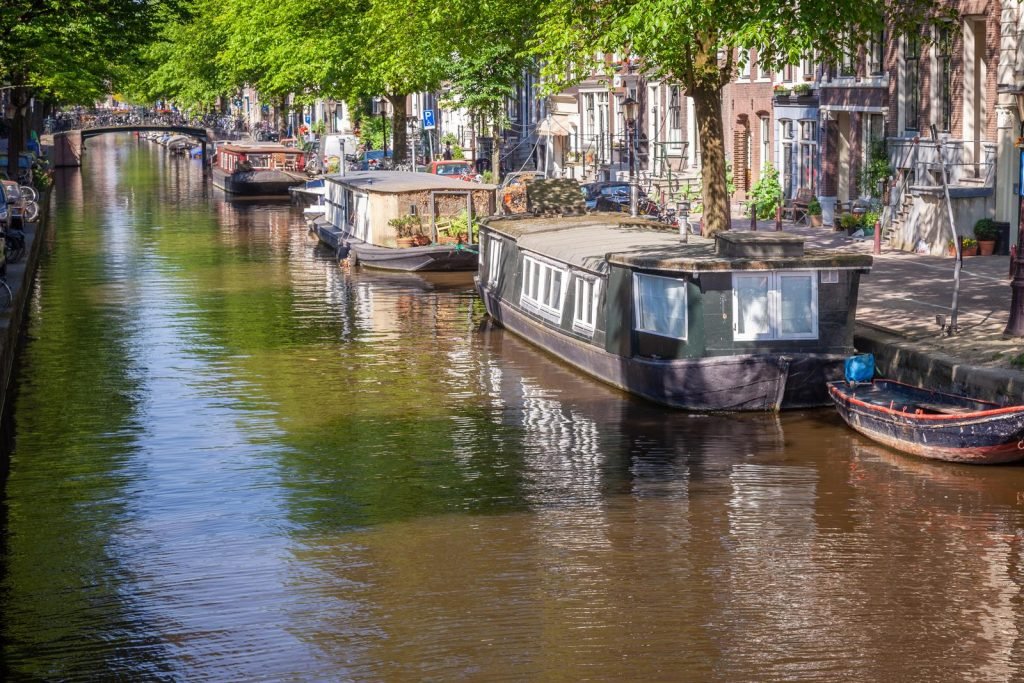
As urbanization continues to rise and cities become more congested, houseboat living may become a more increasingly attractive option for many people in the Netherlands. The unique charm of floating homes offers an alternative to traditional housing that appeals to those seeking both adventure and tranquility. Moreover, as sustainability becomes a more pressing concern globally, houseboats present an opportunity for eco-friendly living by utilizing renewable energy sources and minimizing land use.
However, challenges remain as cities grapple with rising water levels due to climate change and increased demand for waterfront property. The future of houseboat living will likely depend on innovative solutions that address these environmental concerns while preserving the cultural heritage associated with life on the water. As communities adapt and evolve, it’s clear that Dutch houseboats will continue to hold a special place in the hearts of those who seek a unique lifestyle intertwined with nature.
In conclusion, living on a houseboat in the Netherlands offers an enchanting blend of beauty, community, and adventure. While challenges such as moisture management must be addressed with care, the rewards—both practical and romantic—make it an appealing choice for the lucky few who manage to either be born into the property or acquire it.