
The history of Dutch architecture is a fascinating journey that reflects the evolution of societal values, technological advancements, and aesthetic preferences over centuries. Originating in the Middle Ages, Dutch architecture began to take shape with the construction of fortified towns and churches, characterized by their robust structures and utilitarian designs. As the country transitioned into the Renaissance, the influence of classical styles became evident, leading to the emergence of grand buildings adorned with intricate details.
This period also marked the beginning of a more pronounced focus on domestic architecture, where stair design began to play a crucial role in the overall layout of homes. Going deeper into the 17th century, known as the Dutch Golden Age, you will notice a significant shift in architectural styles. The wealth generated from trade and commerce allowed for more elaborate designs, and staircases became a focal point in many homes.
The iconic canal houses of Amsterdam, with their narrow facades and steep staircases, exemplify this trend. These staircases were not merely functional; they were also a statement of status and sophistication. The design of stairs evolved to accommodate the unique spatial constraints of these narrow homes, leading to the development of steep, winding staircases that have become synonymous with Dutch architecture.
The Unique Characteristics of Dutch Stairs
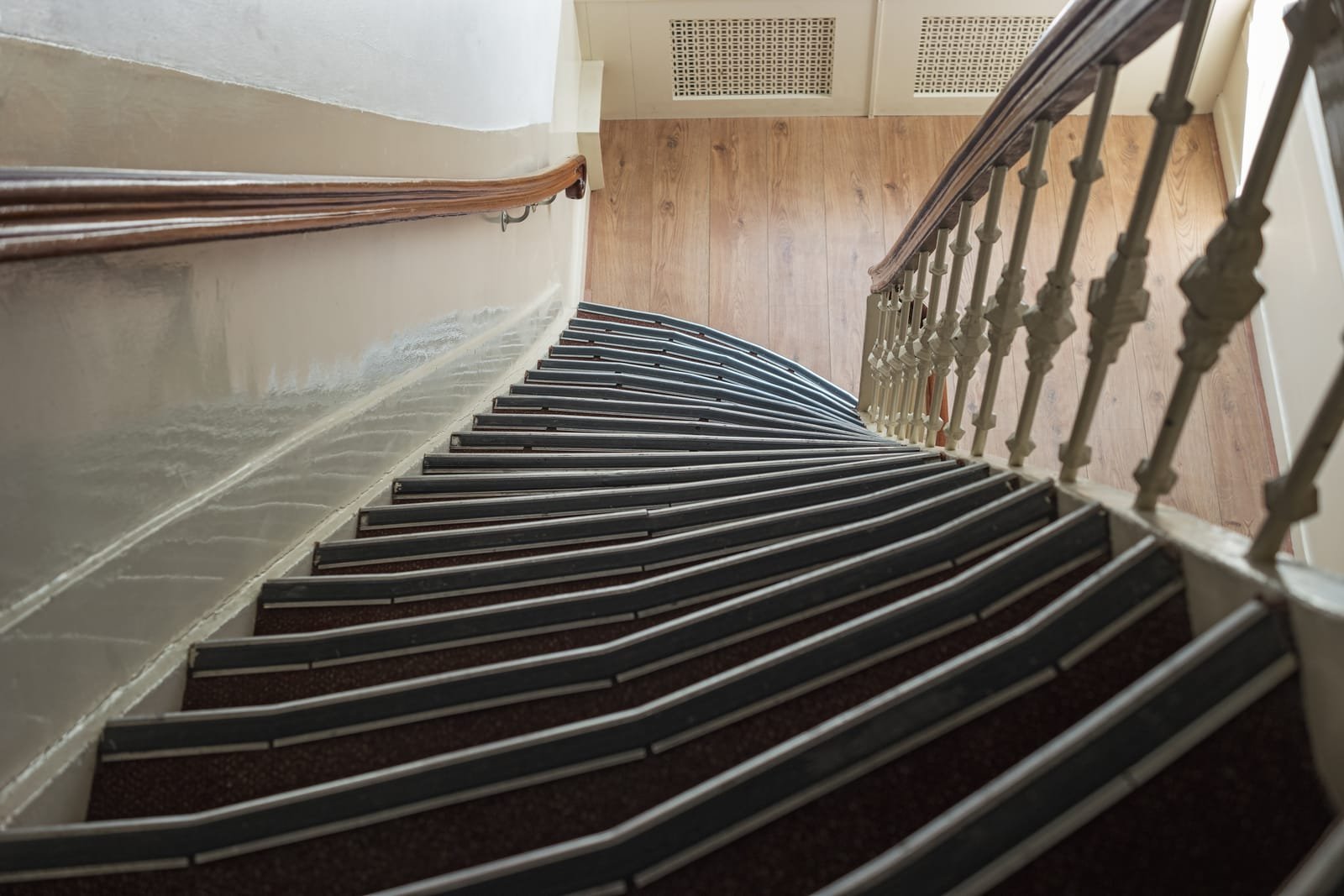
When you think about Dutch stairs, several distinctive characteristics come to mind. One of the most notable features is their steepness. Unlike many other countries where stairs are designed with gentler inclines for ease of use, Dutch stairs often have a much steeper pitch. Anyone going to a Dutch toilet in nearly city often discovers a staircase can soon be a climbing adventure.
This design choice is largely a response to the limited space available in many traditional Dutch homes, particularly those along the canals. The steepness allows for more efficient use of vertical space, enabling homeowners to maximize their living areas without sacrificing functionality. Another unique aspect of Dutch stair design is the use of materials and craftsmanship. Many staircases are hundreds of years old.
Traditionally, wooden stairs were favored for their warmth and aesthetic appeal. You may notice that many staircases are crafted from high-quality timber, showcasing intricate joinery and finishes that reflect the skill of local artisans. Additionally, the treads are often narrower than those found in other countries, which can make climbing them feel more precarious.
This design choice not only conserves space but also adds to the overall character of the staircase, making it an integral part of the home’s architectural identity.
The Physical Impact of Climbing Steep Dutch Stairs
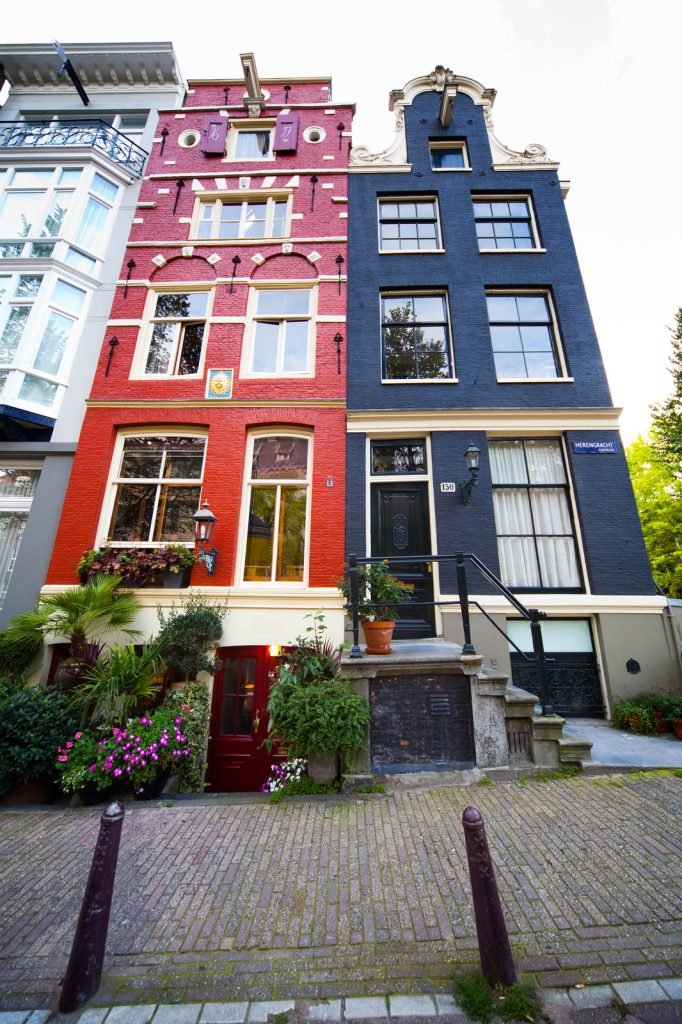
Narrow houses make steep staircases
Climbing steep Dutch stairs can be quite a workout, and you may find that it engages different muscle groups compared to ascending more conventional staircases. The steep incline requires greater effort from your legs and core, which can lead to increased cardiovascular activity. As you navigate these stairs, you might notice that your heart rate elevates more quickly than it would on a gentler slope.
This physical exertion can be beneficial for your fitness levels, especially if you incorporate stair climbing into your daily routine. However, while there are physical benefits to climbing steep stairs, there are also challenges that come with it. You may experience fatigue more rapidly due to the increased effort required, particularly if you are not accustomed to such inclines.
Additionally, if you have any pre-existing health conditions or mobility issues, navigating these steep stairs can pose significant challenges. It’s essential to be mindful of your physical limitations and consider alternative solutions if necessary. Overall, while climbing steep Dutch stairs can be invigorating, it’s crucial to approach them with caution and awareness of your body’s capabilities.
Safety Concerns and Accidents on Dutch Stairs
Safety is a paramount concern when it comes to navigating steep Dutch stairs. The unique design that makes these staircases so iconic can also lead to accidents if proper precautions are not taken. You may find that the narrow treads and steep angles, often leading to landings and glass windows, increase the risk of slips and falls, particularly for those who are not familiar with the layout or who may be carrying items up or down.
It’s not uncommon for visitors to struggle with these stairs, leading to potential injuries that could have been avoided with greater awareness. To mitigate these risks, many homeowners have begun implementing safety features such as handrails and non-slip surfaces on their staircases. You might notice that some modern adaptations include wider treads or landings at intervals to provide a brief respite during ascent or descent.
These modifications not only enhance safety but also make the stairs more accessible for individuals with mobility challenges. However, despite these improvements, it remains essential for everyone to exercise caution when using steep Dutch stairs to prevent accidents and ensure a safe experience.
The Cultural Significance of Steep Dutch Stairs
Steep Dutch stairs hold a unique cultural significance that extends beyond their architectural function. They are emblematic of the country’s history and lifestyle, reflecting how people have adapted their living spaces to meet practical needs while maintaining aesthetic appeal. As you explore various neighborhoods in the Netherlands, you will likely encounter these iconic staircases in homes that tell stories of generations past.
They serve as a reminder of how architecture can shape daily life and influence social interactions within a community. Moreover, these staircases often become focal points for gatherings and family activities. You may find that they serve as informal meeting places where family members congregate or where friends share moments together while navigating the home’s vertical spaces.
The steepness of these stairs can even foster a sense of adventure and playfulness among children as they race up and down. In this way, steep Dutch stairs transcend their functional purpose; they become integral to the fabric of family life and community bonding.
Modern Solutions and Innovations for Dutch Stair Design
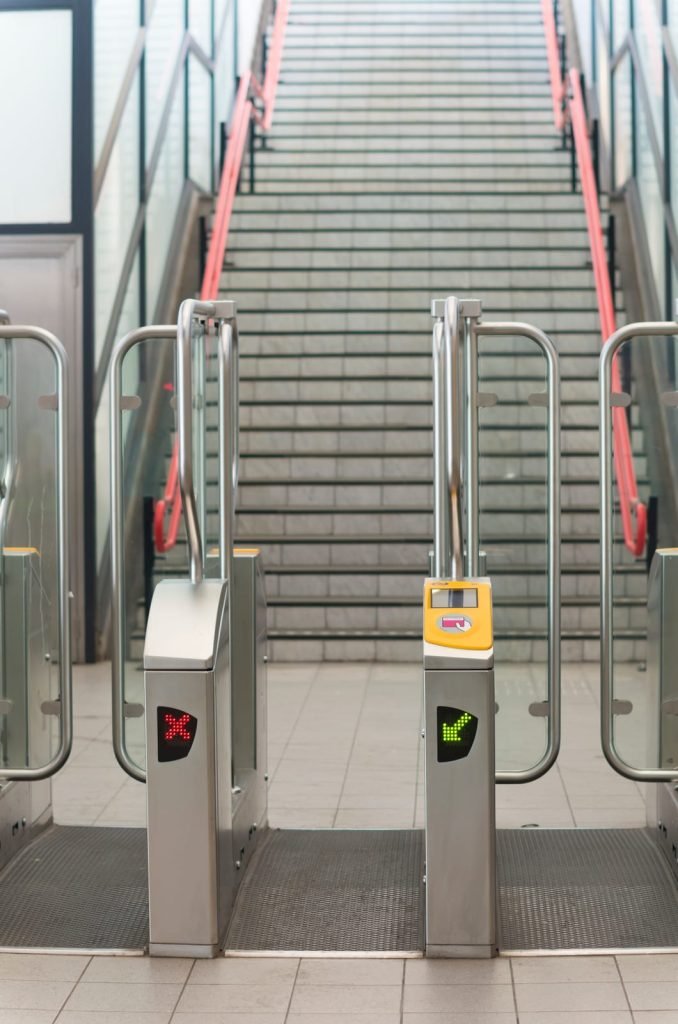
You’ll find stairs more often than an escalator on Dutch transportation
As society evolves, so too does the approach to stair design in the Netherlands. Modern solutions are emerging that blend traditional aesthetics with contemporary functionality. You may notice that architects are increasingly incorporating innovative materials such as glass, electronics, and metal into stair designs, creating visually striking elements that enhance both safety and style.
These materials allow for greater transparency and light flow within homes while maintaining structural integrity. Additionally, technology is playing a significant role in modern stair design. Smart home features are being integrated into staircases, such as motion-sensor lighting that illuminates steps as you approach them.
This innovation not only enhances safety but also adds a touch of modern convenience to traditional designs. Furthermore, modular stair systems are gaining popularity, allowing homeowners to customize their staircases according to their specific needs while still adhering to space constraints. As you explore these modern adaptations, you will see how they honor the rich history of Dutch architecture while embracing contemporary trends and innovations.