
When you think of Dutch cuisine, your mind might wander to stews, herring, or perhaps stroopwafels. However, the world of Dutch desserts is a treasure trove waiting to be explored. From creamy custards to flaky pastries, the Netherlands boasts a rich tapestry of sweet treats that reflect its history, culture, and even its geography.
Dutch desserts are not just about satisfying a sweet tooth; they tell stories of tradition, innovation, and the blending of influences from around the globe. From the streets of Amsterdam or the villages of Friesland, the aroma of freshly baked goods wafts through the air, beckoning you to indulge. Whether it’s a slice of rich cake or a delicate pastry, each dessert carries with it a piece of Dutch heritage.
In this article, we will take a closer look at one of the most beloved Dutch desserts, the tompouce, while also exploring the broader landscape of Dutch sweets and their cultural significance.
The History of Tompouce
A Name Steeped in History
The name itself is believed to be derived from the character Tom Pouce, a popular actor known for his dwarfism who appeared in the middle of the 19th century.

A Pastry Fit for Celebrations
The tompouce quickly became a staple in Dutch bakeries, captivating locals with its unique combination of textures and flavors. Historically, the tompouce was often associated with special occasions and celebrations. It graced tables during birthdays, weddings, and national holidays, becoming a beloved treat that brought people together.
A Symbol of Resilience and Joy
The pastry’s popularity soared in the post-war years when it became a symbol of resilience and joy in a country rebuilding itself. Today, it remains a cherished part of Dutch culture, often enjoyed with coffee or tea during afternoon gatherings.
The Ingredients and Preparation of Tompouce
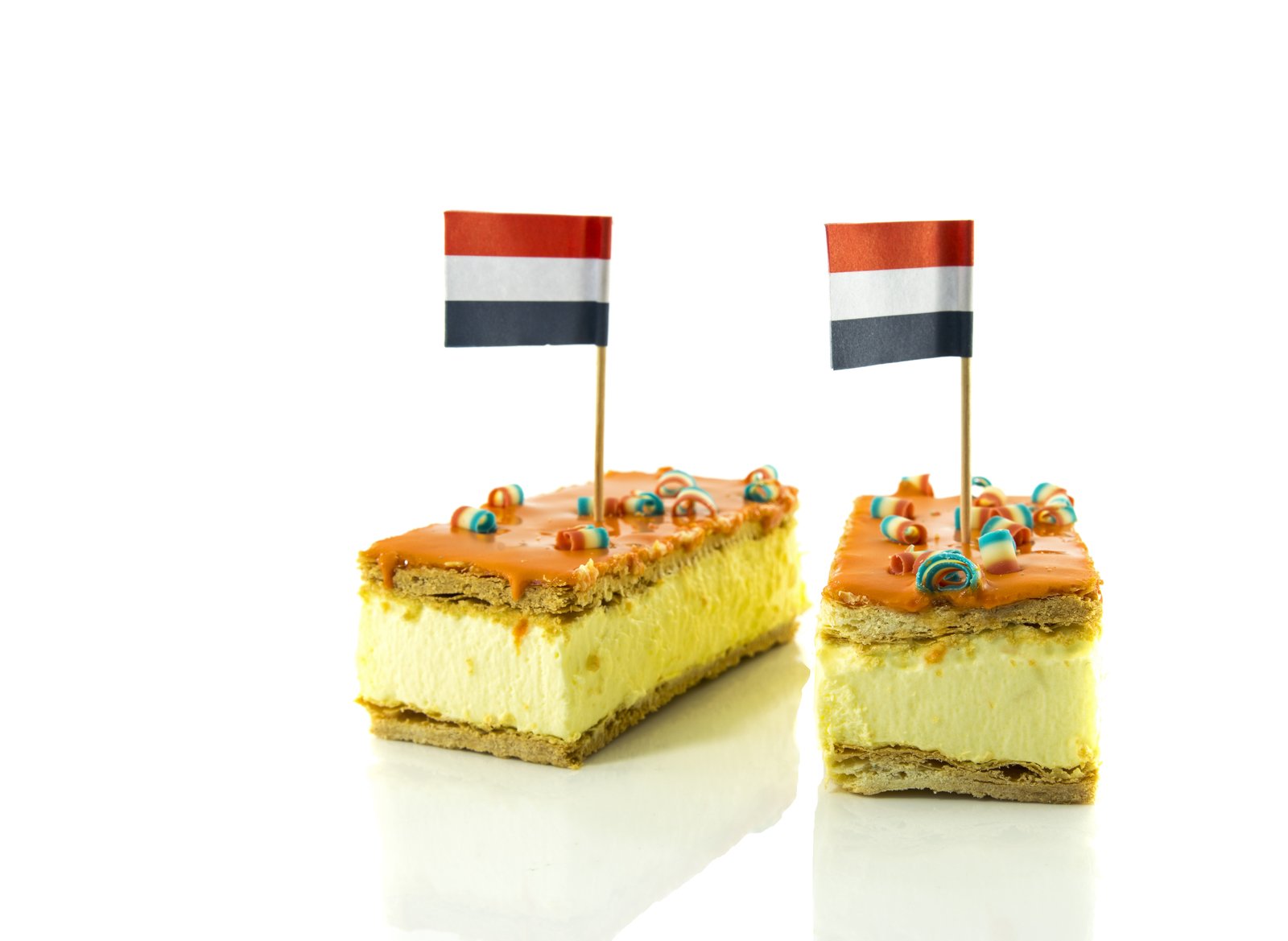
Creating a tompouce is an art form that requires precision and care. The base consists of two layers of puff pastry, which are light and flaky, providing the perfect contrast to the rich filling. Traditionally, the filling is made from a smooth vanilla custard that is both creamy and indulgent.
Some bakers add a hint of almond flavoring to elevate the taste profile, while others stick to the classic vanilla for a more straightforward approach. The preparation process is where the magic happens. After baking the puff pastry until golden brown, it’s allowed to cool before being sliced into rectangles.
The custard filling is then piped generously between two layers of pastry, resulting in a nearly complete mess when you try to eat it.
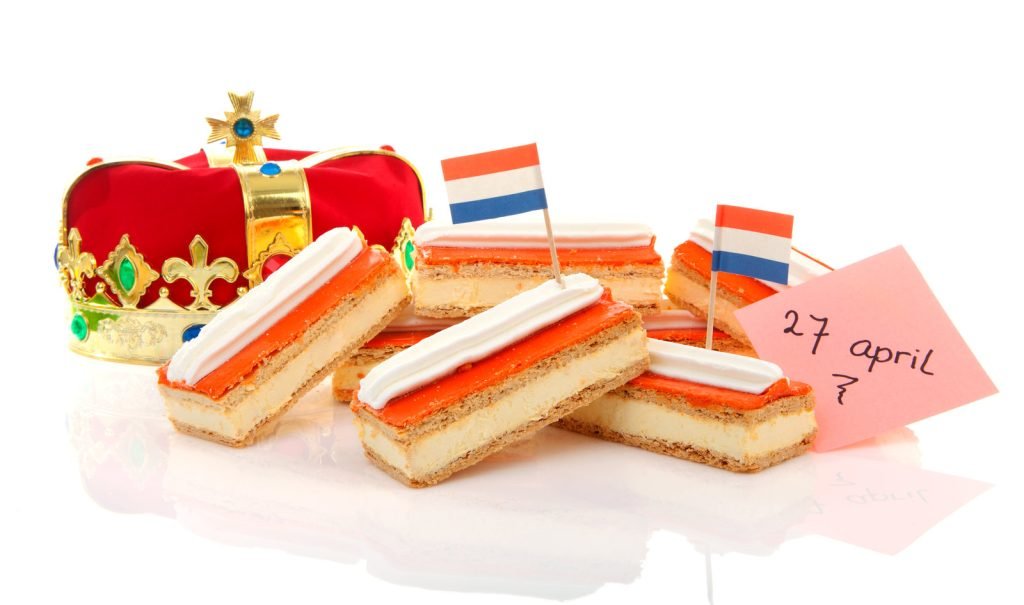
Finally, the pièce de résistance: a glossy layer of pink (or orange when it’s King’s Day) icing that not only adds sweetness but also makes the tompouce visually striking. While some bakers opt for a simple glaze, others get creative with decorations or even different colors to celebrate various occasions.
The Evolution of Dutch Desserts
Dutch desserts have undergone significant transformations over the years, influenced by changing tastes and global culinary trends. In earlier times, desserts were often simple and rustic, focusing on seasonal ingredients like fruits and nuts.
As trade routes expanded and new ingredients became available, Dutch bakers began experimenting with spices and flavors from around the world.
This evolution led to the creation of more complex desserts that showcased both local and exotic influences. In recent decades, there has been a resurgence of interest in traditional Dutch desserts as people seek to reconnect with their culinary heritage. Modern bakers are not only preserving classic recipes but also reinterpreting them for contemporary palates.
This fusion of old and new has resulted in innovative desserts that pay homage to tradition while embracing creativity. For instance, you might find tompouce variations featuring unexpected flavors like matcha or salted caramel, reflecting a globalized food culture.
Popular Dutch Desserts Besides Tompouce
While the tompouce holds a special place in Dutch hearts, it’s far from being the only dessert worth mentioning. The Netherlands is home to an array of delightful sweets that cater to every taste. One such treat is the speculaas, a spiced cookie traditionally enjoyed during the holiday season.
With its warm flavors of cinnamon, nutmeg, and cloves, speculaas evokes feelings of nostalgia and comfort. Another beloved dessert is the vlaai, a fruit tart that hails from the Limburg region. This pastry features a buttery crust filled with seasonal fruits like cherries or apricots, often topped with a crumbly streusel for added texture.
Vlaai is typically served during festive occasions and family gatherings, making it a staple in many households. And let’s not forget about poffertjes—tiny fluffy pancakes that are light as air and dusted with powdered sugar. These bite-sized delights are often enjoyed at fairs and markets, bringing joy to both young and old.
The Influence of Dutch Colonization on Desserts
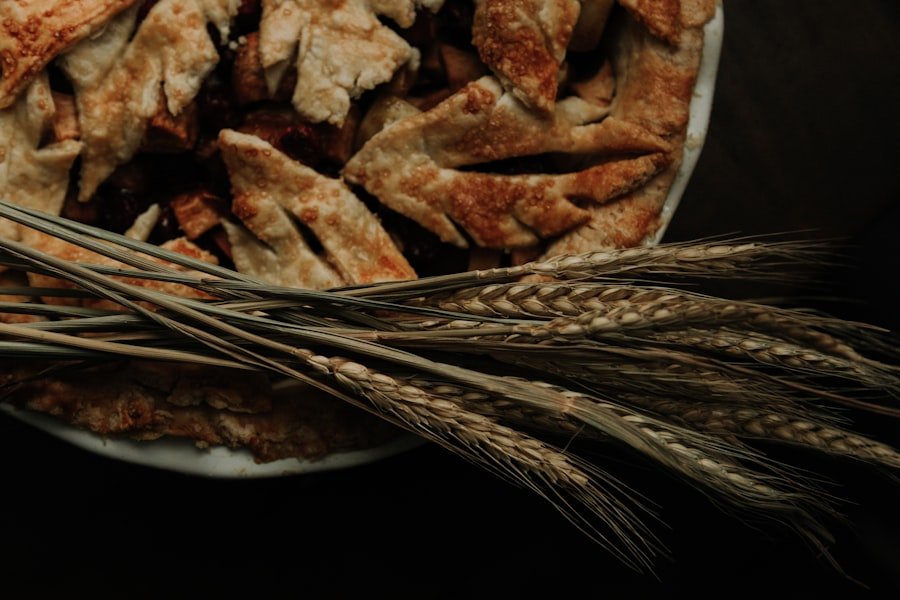
It made be made in the Netherlands but it probably originated somewhere else
The history of Dutch colonization has left an indelible mark on many aspects of life in the Netherlands, including its culinary landscape. As Dutch traders established colonies around the world, they encountered new ingredients and flavors that would eventually find their way into Dutch desserts. For instance, spices like cinnamon and nutmeg became more accessible due to trade routes established during the colonial era.
One notable example is the influence of Indonesian cuisine on Dutch desserts. After Indonesia became a Dutch colony in the 17th century, many Indonesian sweets made their way back to the Netherlands. Dishes like klepon—sweet rice balls filled with palm sugar—have become popular among Dutch dessert lovers.
This cross-cultural exchange has enriched Dutch cuisine, creating a unique blend of flavors and spices that reflects both local traditions and global influences.
Modern Trends in Dutch Desserts
In today’s fast-paced world, dessert trends are constantly evolving, and Dutch sweets are no exception. Health-conscious consumers are increasingly seeking out lighter options that don’t compromise on flavor. As a result, many bakers are experimenting with alternative ingredients like whole grains, natural sweeteners, and plant-based options.
This shift has led to innovative takes on traditional desserts that cater to diverse dietary preferences. Social media has also played a significant role in shaping modern dessert trends in the Netherlands. Platforms like Instagram have turned desserts into visual art forms, prompting bakers to create stunning presentations that are as much about aesthetics as they are about taste.
From elaborate cake designs to colorful macarons inspired by seasonal themes, today’s Dutch desserts are not only delicious but also Instagram-worthy.
The Cultural Significance of Dutch Desserts
Dutch desserts hold a special place in the hearts of many people in the Netherlands. They are often associated with cherished memories—family gatherings around the table, celebrations with friends, or quiet moments enjoyed with a cup of coffee. These sweets serve as more than mere indulgences; they are symbols of togetherness and community.
Moreover, desserts play an essential role in cultural celebrations throughout the year. From Sinterklaas festivities featuring speculaas cookies to Easter brunches adorned with vlaai, these treats are woven into the fabric of Dutch life. They evoke feelings of nostalgia and connection to one’s roots while also allowing for creativity and innovation in modern baking practices.
In conclusion, Dutch desserts are a delightful exploration of history, culture, and culinary artistry. The tompouce stands out as an iconic representation of this rich tradition while also serving as a gateway to understanding the broader landscape of sweet treats in the Netherlands.