
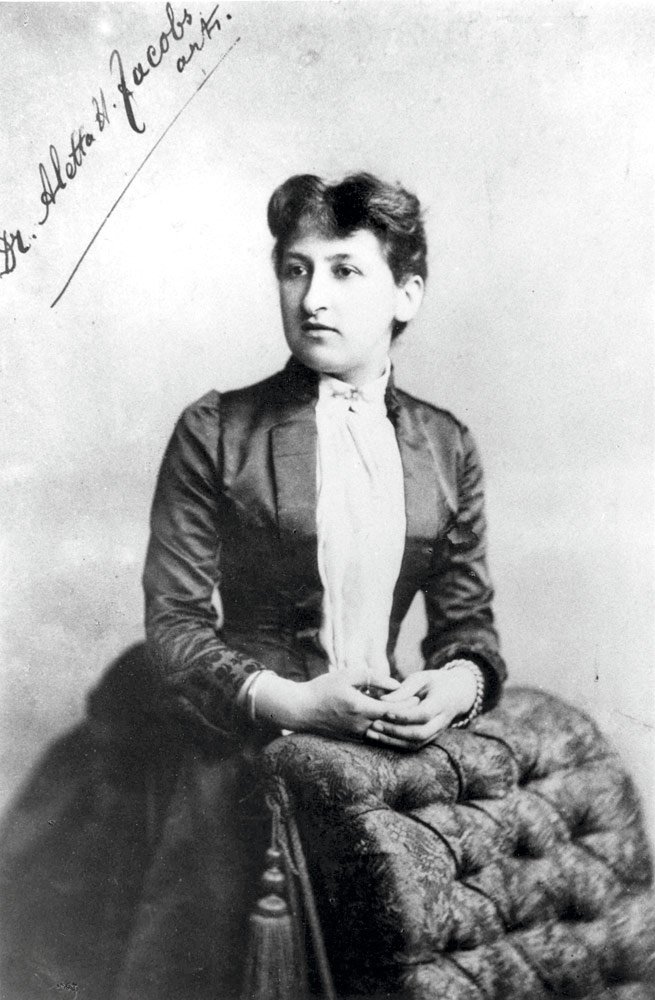
Aletta Jacobs was born on February 9, 1854, in the small town of Sappemeer in the Netherlands. Growing up in a progressive Jewish family, she was exposed to ideas of social reform and education from an early age. Her father, a physician, encouraged her intellectual pursuits, which was quite unusual for girls at that time.
While many young women were expected to focus on domestic duties, Jacobs was determined to carve out her own path. She often faced societal pushback, but her tenacity shone through as she pursued her education with fervor. In 1871, Jacobs became the first woman to enroll at the University of Groningen, where she studied medicine.
This was a groundbreaking achievement, as women were largely excluded from higher education in the Netherlands. Her journey through medical school was fraught with challenges; she had to navigate a male-dominated environment that often dismissed her capabilities. Nevertheless, Jacobs graduated in 1879, earning her medical degree and becoming a trailblazer for women in medicine.
Her early life and education laid the foundation for her future activism, as she recognized the importance of education and professional opportunities for women.
Aletta Jacobs’ Impact on Women’s Rights and Feminism in the Netherlands
Jacobs’ influence on women’s rights in the Netherlands cannot be overstated. After completing her medical degree, she became an outspoken advocate for women’s suffrage and gender equality. In a society that often relegated women to the background, Jacobs emerged as a powerful voice for change.
She understood that true equality required not only legal rights but also societal acceptance of women in roles traditionally held by men. Her activism was not limited to speeches and writings; she actively participated in organizations that promoted women’s rights, including the Dutch Association for Women’s Suffrage.
Her efforts were instrumental in shifting public perception about women’s roles in society.
Jacobs organized rallies and wrote articles that highlighted the injustices faced by women. She argued that women should have the right to vote, work, and participate fully in public life. Her work inspired many other women to join the movement, creating a ripple effect that would lead to significant changes in Dutch society.
By challenging the status quo, Jacobs helped lay the groundwork for future generations of feminists who would continue the fight for equality.
Aletta Jacobs’ Contribution to the Fight for Birth Control and Reproductive Rights
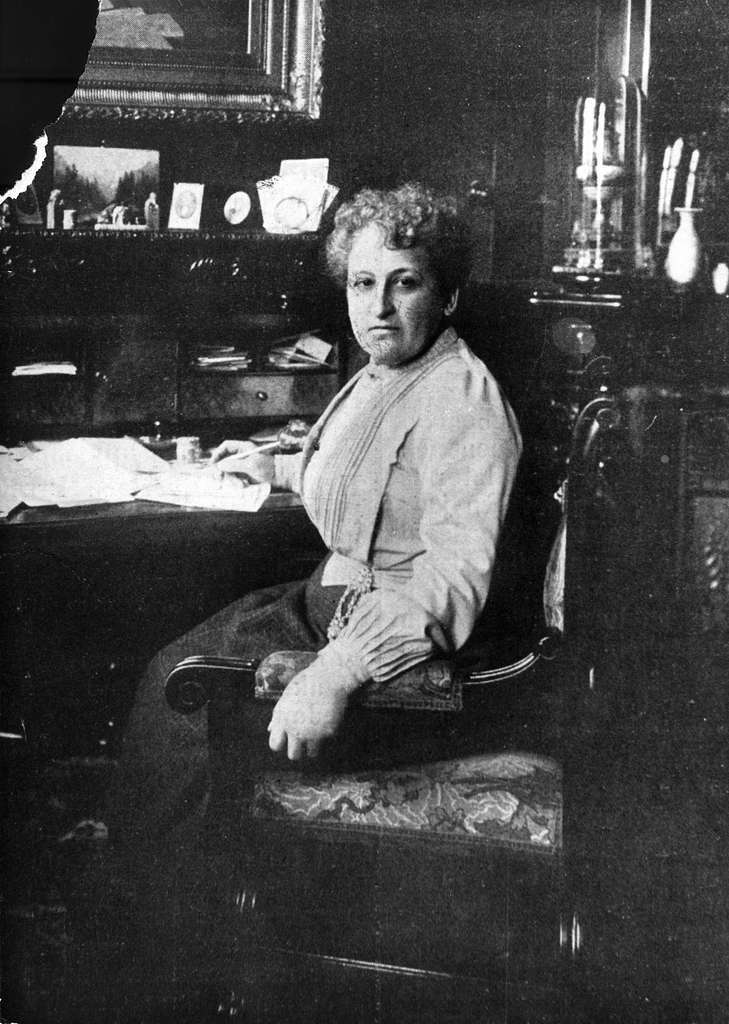
Years ahead
One of Jacobs’ most significant contributions was her advocacy for birth control and reproductive rights. In a time when discussions about contraception were taboo, she bravely addressed these issues head-on. Jacobs recognized that women’s health and autonomy were deeply intertwined with their ability to control their reproductive choices.
In 1882, she opened the first birth control clinic in the Netherlands, providing women with access to information and resources that had previously been denied to them. Jacobs’ clinic was revolutionary; it offered women a safe space to discuss their reproductive health without fear of judgment or stigma. She believed that access to contraception was essential for women’s empowerment, allowing them to make informed choices about their bodies and futures.
Her work in this area not only improved the lives of countless women but also sparked broader conversations about reproductive rights across Europe. By advocating for birth control, Jacobs positioned herself as a pioneer in a movement that would gain momentum in the decades to come.
Aletta Jacobs’ Influence on the Promotion of Human Rights in the Netherlands
Beyond her work in women’s rights and reproductive health, Jacobs was a staunch advocate for human rights more broadly. She understood that the fight for women’s rights was part of a larger struggle for social justice and equality. Throughout her life, she championed various causes, including labor rights and education reform.
Her commitment to human rights was evident in her participation in international conferences and organizations dedicated to promoting peace and equality. Jacobs’ influence extended beyond national borders; she was involved in international women’s movements and collaborated with activists from other countries. Her efforts helped to create a global network of advocates who shared her vision of a more equitable world.
By promoting human rights as an interconnected issue, Jacobs inspired others to see the importance of solidarity among marginalized groups. Her legacy is one of inclusivity and compassion, reminding us that the fight for justice is never confined to one issue or one group.
Aletta Jacobs’ Legacy and Continued Relevance in Modern Dutch Society
The legacy of Aletta Jacobs is still felt today in modern Dutch society. Her pioneering work laid the groundwork for many of the rights and freedoms that women enjoy now. The fight for gender equality continues, but Jacobs’ contributions serve as a reminder of how far we have come and how much further we still need to go.
In contemporary discussions about women’s rights, reproductive health, and social justice, her name often surfaces as a symbol of resilience and determination. Moreover, Jacobs’ life story resonates with new generations of activists who draw inspiration from her courage and commitment to change. In schools and universities across the Netherlands, her achievements are celebrated as part of the national narrative on women’s rights.
The ongoing struggle for equality is infused with her spirit, encouraging young people to take up the mantle of activism and continue pushing for progress. As society grapples with issues like gender-based violence and reproductive rights, Jacobs’ legacy remains a guiding light.
Aletta Jacobs’ Role in Shaping the Netherlands’ Political Landscape
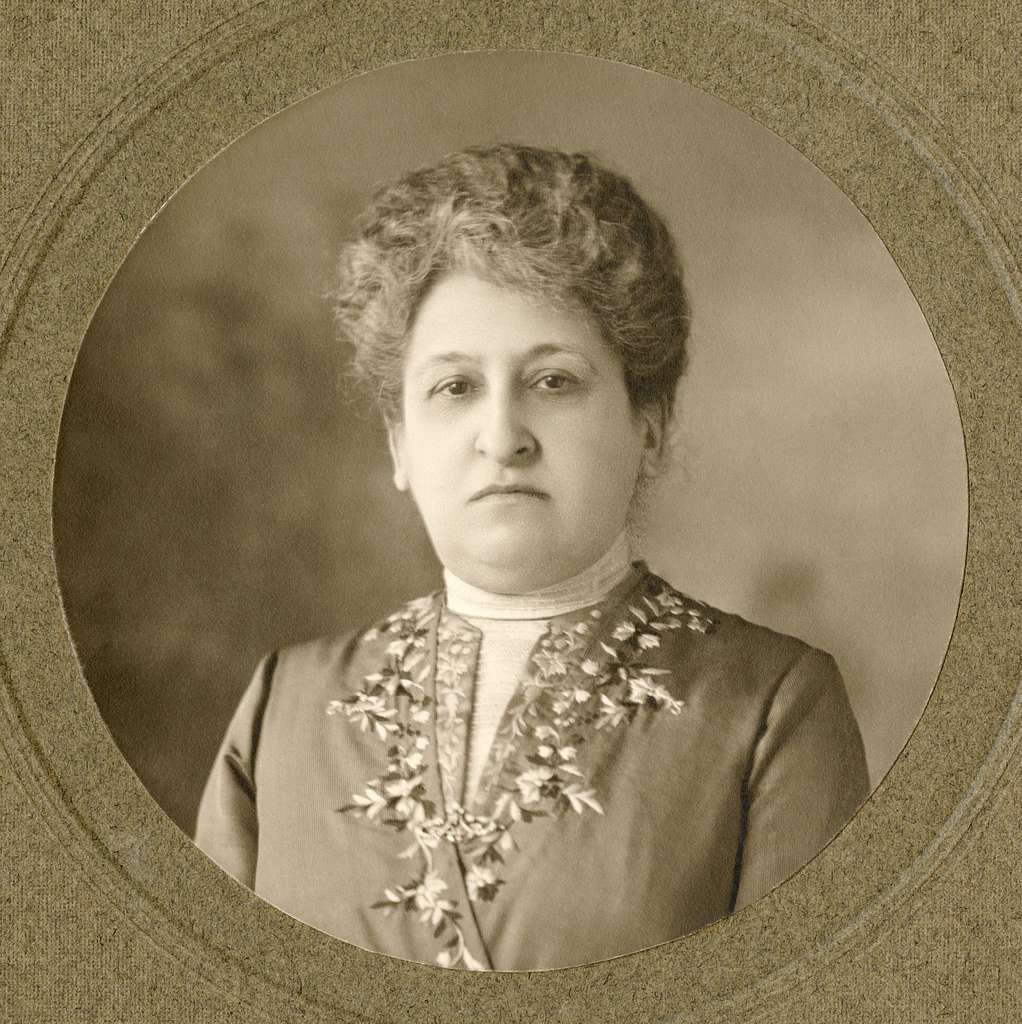
Aletta Jacobs
Jacobs played a crucial role in shaping the political landscape of the Netherlands during her lifetime. As one of the first women to engage actively in politics, she paved the way for future female leaders. Her advocacy for women’s suffrage was not merely about securing votes; it was about ensuring that women’s voices were heard in decision-making processes that affected their lives.
She understood that political representation was essential for achieving meaningful change.
Her involvement in political organizations helped mobilize support for women’s rights at various levels of government. Jacobs worked tirelessly to educate both men and women about the importance of gender equality in politics.
She believed that when women participated in governance, policies would reflect their needs and experiences more accurately. This vision has gradually come to fruition; today, women hold significant positions within Dutch politics, thanks in part to Jacobs’ pioneering efforts.
Aletta Jacobs’ Advocacy for Education and Healthcare Reform
Education was another area where Jacobs made significant contributions. She believed that access to quality education was fundamental for empowering women and breaking down societal barriers. Throughout her career, she advocated for educational reforms that would allow girls equal opportunities to pursue their dreams.
Her efforts led to increased enrollment of women in higher education institutions across the Netherlands. In addition to education, Jacobs was also a vocal advocate for healthcare reform. She recognized that access to healthcare services was vital for women’s well-being and autonomy.
By promoting comprehensive healthcare policies, she aimed to ensure that all individuals could receive necessary medical attention without discrimination or financial burden. Her work laid the foundation for future healthcare initiatives that prioritize equity and accessibility.
Aletta Jacobs’ Enduring Influence on Global Women’s Rights Movements
Aletta Jacobs’ impact extends far beyond the borders of the Netherlands; she has become an enduring figure in global women’s rights movements. Her advocacy for gender equality, reproductive rights, and social justice resonates with activists around the world who continue to fight against oppression and inequality. As international movements gain momentum—such as #MeToo and reproductive rights campaigns—Jacobs’ legacy serves as a reminder of the power of individual action in effecting change.
Her story is often cited by contemporary feminists who draw parallels between their struggles and those faced by pioneers like Jacobs. The challenges she overcame are echoed in today’s battles against systemic sexism and discrimination. By studying her life and work, modern activists can find inspiration and strategies for their own efforts toward achieving gender equality on a global scale.
In conclusion, Aletta Jacobs remains a towering figure whose contributions have shaped not only Dutch society but also global movements for women’s rights and human rights at large. Her early life set the stage for a remarkable career dedicated to advocacy and reform, leaving an indelible mark on history that continues to inspire new generations of activists today.