You’ve heard it all before: plastic bags have become a ubiquitous part of modern life, but their environmental toll is staggering, especially in a country as environmentally conscious as the Netherlands. Each year, millions of plastic bags are used and discarded, contributing to pollution and harming wildlife. The Dutch landscape, known for its picturesque canals and lush greenery, faces threats from plastic waste that can take hundreds of years to decompose.
When these bags end up in waterways, they not only mar the beauty of the environment but also pose serious risks to aquatic life. Fish, birds, and other animals often mistake plastic for food, leading to ingestion that can be fatal. Moreover, the production of plastic bags is resource-intensive.
It requires significant amounts of fossil fuels, contributing to greenhouse gas emissions and climate change. In a country that prides itself on sustainability and innovation, the environmental impact of plastic bags stands in stark contrast to the Dutch ethos, and the European Economic Area/European Union (EEA/EU) in general, of caring for the planet. Better late than never. After hundreds years of resource raping and abuse of foreign colonies, the Dutch are converts. The government and citizens alike have recognized that addressing this issue is crucial for preserving the natural beauty and ecological health of the Netherlands as well as the greater good.
Don’t get us wrong. The Dutch are not big believers in active recycling, believing that “hope recycling”, or collection of waste in marked bins will somehow be recycled or reused but largely finds itself in landfills, is not the way to go. Dutch supermarkets are also notorious plastic overpackagers. Nearly everything is in plastic.
With the EU ban on single-use plastics, the Netherlands still has a long way to go. As awareness grows, however, so does the urgency to find effective solutions to reduce plastic waste. Shopping bags seemed the clearest way to start.
The Dutch Government’s Ban on Plastic Bags in Supermarkets
In response to the mounting evidence of plastic pollution, the Dutch government took decisive action by implementing a ban on single-use plastic bags in supermarkets. This policy shift marked a significant turning point in the nation’s approach to environmental sustainability. The ban, which came into effect in 2021, aimed not only to reduce plastic waste but also to encourage consumers to adopt more sustainable shopping habits.
By eliminating free plastic bags at checkout, the government hoped to instill a sense of responsibility among shoppers regarding their choices. The ban has been met with mixed reactions. While many applauded the initiative as a necessary step toward a greener future, others expressed frustration over the inconvenience it posed.
However, the government has been proactive in addressing these concerns by promoting awareness campaigns that highlight the importance of reducing plastic waste. Supermarkets have also played a crucial role in this transition by providing information on alternatives and encouraging customers to bring their own reusable bags. This collaborative effort between the government and retailers reflects a broader commitment to environmental stewardship that resonates deeply with Dutch values.
Alternatives to Plastic Bags for Shopping in the Netherlands

Paper, or paper?
With the ban on plastic bags firmly in place, shoppers in the Netherlands have turned to a variety of alternatives that are both practical and eco-friendly. Reusable bags made from durable materials like cotton or jute have surged in popularity. These bags not only reduce waste but also offer a stylish way to carry groceries.
Many supermarkets have even started selling their own branded reusable bags, making it easy for consumers to make the switch while supporting local businesses. Another innovative alternative gaining traction is the use of biodegradable bags made from plant-based materials. These bags break down more quickly than traditional plastic, minimizing their environmental impact.
Some stores have begun offering these options at checkout, providing customers with a guilt-free way to transport their purchases without contributing to long-term pollution. Additionally, some shoppers have embraced creative solutions like using old backpacks or tote bags, proving that sustainability can be both functional and fashionable.
Challenges and Benefits of Adjusting to a Plastic Bag-Free Shopping Experience
Transitioning to a plastic bag-free shopping experience has not been without its challenges. For many consumers, the habit of grabbing a plastic bag at checkout was ingrained over years of convenience.
The sudden shift required a mental adjustment and a bit of planning ahead.
Some shoppers found themselves caught off guard during their grocery runs, leading to moments of frustration when they realized they had forgotten their reusable bags at home. This adjustment period has highlighted the importance of developing new habits and routines that prioritize sustainability. However, amidst these challenges lie numerous benefits.
Shoppers who embrace reusable bags often find that they are more mindful about their purchases. Without the option of a quick plastic bag, consumers tend to think twice about impulse buys and focus on what they truly need. This shift not only reduces waste but also encourages healthier shopping habits.
Furthermore, many people report feeling a sense of pride in contributing to environmental efforts by using reusable bags, fostering a community spirit around sustainability that resonates throughout Dutch society.
The Future of Plastic Bag Usage in Dutch Supermarkets
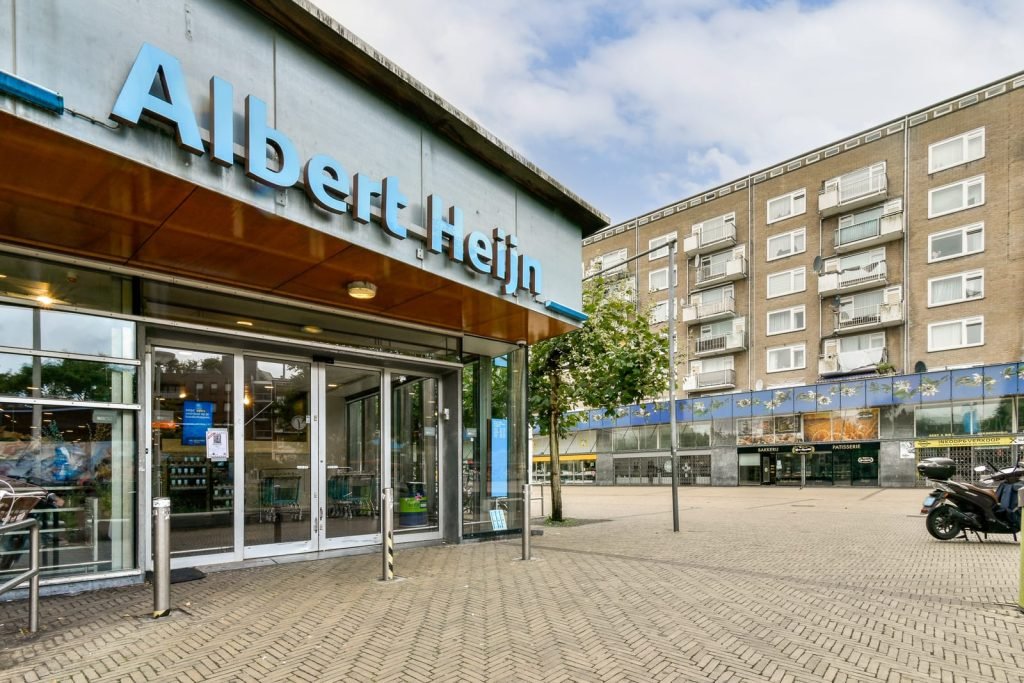
Albert Heijn – amazing salads but an incredible amount of plastic
Driving Innovation in Sustainable Packaging
Moreover, innovations in sustainable packaging are on the rise, with companies exploring alternatives that go beyond reusable bags. From compostable packaging materials to edible wrappers, the possibilities are endless as businesses strive to meet consumer demand for eco-friendly options. The Dutch government’s commitment to sustainability will likely drive further advancements in this area, ensuring that supermarkets remain at the forefront of environmental responsibility.
A Beacon of Hope in the Fight Against Plastic Pollution
In conclusion, while the journey toward a plastic bag-free shopping experience has its challenges, it also presents an opportunity for growth and positive change within Dutch society. As consumers adapt to new habits and embrace sustainable alternatives, they contribute not only to reducing plastic waste but also to fostering an urgently needed culture of environmental awareness.