
May 5th holds a special place in the hearts of the Dutch, marking the day when the country was liberated from Nazi occupation in 1945. This date is not merely a footnote in history; it represents a profound turning point for the Netherlands, a moment when the shadows of war lifted, and hope began to flourish once more. The liberation was not just about the end of a brutal regime; it symbolized the restoration of freedom, democracy, and human rights.
Each year, the Dutch commemorate this day with a mix of solemn remembrance and vibrant celebration, reflecting on the sacrifices made by those who fought for their freedom. At 20:00/8:00 PM, the country stops and reflects for two minutes on what it means to be free and for those who gave so much to keep it free.
Yet the significance of May 5th extends beyond mere remembrance.
It serves as a reminder of the resilience of the Dutch people and their ability to rebuild in the aftermath of devastation.
The liberation was not an isolated event; it was part of a larger narrative of resistance and courage that defined the Dutch experience during World War
May 5th and the Commemoration of World War II
The commemoration of World War II on May 5th is a deeply ingrained tradition in the Netherlands. It is a day dedicated to honoring those who lost their lives during the conflict, as well as those who fought valiantly against oppression. Memorial services are held across the country, where veterans, families, and citizens come together to pay their respects.
The atmosphere is often somber yet filled with gratitude, as people reflect on the sacrifices made for their current freedoms. The stories shared during these gatherings serve as poignant reminders of the human cost of war and the importance of standing up against tyranny. In addition to memorial services, May 5th also features educational initiatives aimed at teaching younger generations about the impact of World War
Schools often organize special programs that include discussions, film screenings, and visits to historical sites. This emphasis on education ensures that the lessons learned from this dark chapter in history are passed down, fostering a sense of responsibility among young people to uphold democratic values and resist any form of oppression. By intertwining remembrance with education, the Netherlands honors its past while actively shaping a more informed future.
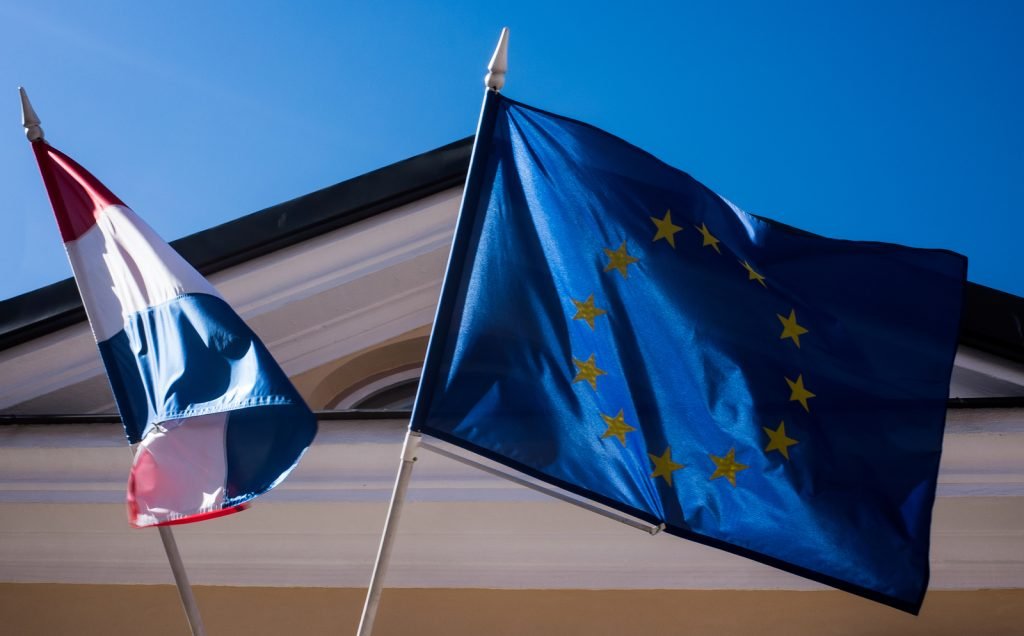
Stronger together
May 5th and the Netherlands’ Relationship with the European Union
May 5th also serves as a lens through which to view the Netherlands’ relationship with the European Union (EU). The liberation from Nazi occupation laid the groundwork for a united Europe, where countries could collaborate to prevent future conflicts. The EU was born out of a desire for peace and cooperation among nations that had once been adversaries.
On this day, many Dutch citizens reflect on how far Europe has come since those tumultuous times and consider the role that unity plays in maintaining peace and stability.
The EU has provided a framework for economic collaboration and political dialogue, allowing member states to work together on shared challenges such as climate change, migration, and security. However, this relationship is not without its complexities.
As citizens celebrate their liberation on May 5th, they also engage in discussions about what it means to be part of a larger European community. Questions about national identity, sovereignty, and the balance between local and EU governance often arise during these conversations. The day becomes an opportunity for reflection on how the Netherlands can contribute to a stronger Europe while preserving its unique cultural heritage.
May 5th and the Importance of NATO in the Netherlands
The significance of May 5th extends into discussions about NATO and its role in ensuring security for member states, including the Netherlands. The North Atlantic Treaty Organization was established in 1949 as a collective defense alliance aimed at preventing any resurgence of totalitarianism in Europe. On this day, many Dutch citizens recognize that their freedom is not only a product of their own struggles but also supported by international alliances that promote peace and security.
NATO’s presence in Europe has been crucial in maintaining stability since World War
The alliance serves as a deterrent against potential aggressors while fostering cooperation among member nations. As people commemorate their liberation on May 5th, they often express gratitude for NATO’s role in safeguarding their freedoms. However, discussions about military spending, defense strategies, and international commitments also surface during these reflections.
The day becomes an occasion to consider how the Netherlands can continue to contribute to NATO’s mission while ensuring that its own national interests are protected.
Sometimes down but not out
May 5th and its Relevance in the Context of Democracy
May 5th is not only about remembering past struggles; it is also a celebration of democracy itself. The liberation from Nazi occupation marked a return to democratic governance for the Netherlands, and this day serves as a reminder of the importance of civic engagement and participation in democratic processes. Citizens are encouraged to reflect on their rights and responsibilities within a democratic society, recognizing that freedom is not guaranteed but must be actively defended.
In recent years, discussions around democracy have taken on new urgency in many parts of the world, including the Netherlands. Issues such as political polarization, misinformation, and threats to civil liberties have prompted citizens to engage more deeply with their democratic institutions. On May 5th, many Dutch people participate in discussions about how to strengthen democracy at home and abroad.
This day becomes an opportunity to reaffirm their commitment to democratic values while considering how they can contribute to a more inclusive and equitable society.
May 5th and the Impact of Current Events, such as the Trump Administration
The relevance of May 5th has been further amplified by current global events, including political developments in countries like the United States. The Trump administration brought forth significant debates about nationalism versus globalism, raising questions about what it means to be part of an international community. For many Dutch citizens observing these developments from afar, May 5th serves as a reminder of their own history with authoritarianism and the importance of standing firm against divisive rhetoric.
As they commemorate their liberation, many Dutch people draw parallels between their past struggles and contemporary challenges facing democracies worldwide. The rise of populism and anti-democratic sentiments has sparked conversations about how to safeguard freedoms that were hard-won during World War
In conclusion, May 5th is more than just a date on the calendar for the Dutch; it encapsulates a rich tapestry of history, resilience, and hope for the future. From commemorating World War II to reflecting on contemporary issues related to democracy and international relations, this day serves as a powerful reminder of what it means to be free. As citizens gather to celebrate their liberation, they also reaffirm their commitment to ensuring that such freedoms endure for generations to come.