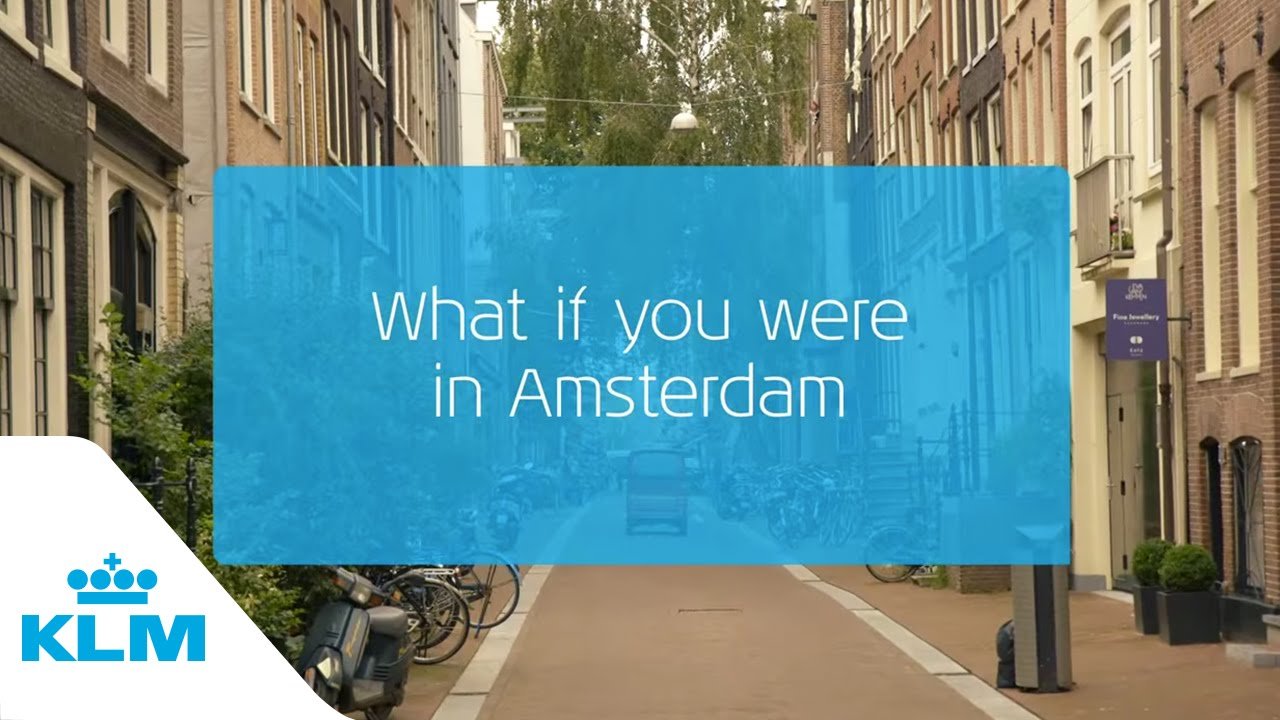
The Netherlands has long been a beacon of progressive thinking, particularly when it comes to sustainability. This small yet mighty country has woven environmental consciousness into the very fabric of its culture. From windmills harnessing the power of the North Sea to innovative cycling infrastructure that encourages eco-friendly transportation, the Dutch have embraced a lifestyle that prioritizes sustainability.
While you wouldn’t be caught dead on a good bike driving through Amsterdam, the rule being the junkier the better, the Dutch, who are notorious users of plastic in packaging, have largely abandoned “hope” recycling. This “throw it in a bin and hope it gets recycled’ doesn’t work for the Dutch. They prefer concrete and sustainable measures that counteract such waste.
The government actively promotes green initiatives, and citizens are encouraged to participate in larger-scale recycling programs, energy conservation, and sustainable agriculture. This collective mindset has fostered a culture where sustainability is not merely a trend but a way of life. In cities like Amsterdam and Utrecht, you’ll find an abundance of green spaces, community gardens, and eco-friendly businesses.
The Dutch have a knack for turning sustainability into something enjoyable and accessible. For instance, many neighborhoods host “repair cafes,” where locals gather to fix broken items instead of tossing them into landfills. This sense of community not only reduces waste but also strengthens social bonds.
The culture of sustainability in the Netherlands is not just about reducing carbon footprints; it’s about creating a lifestyle that values the planet and its resources while fostering a sense of belonging among its people.
The Thriving Second-Hand Market in the Netherlands
Sustainability and Conscious Choices
This trend goes beyond just saving money; it’s about making environmentally conscious choices. The Dutch have adopted the mindset that one person’s discarded item can be another’s treasure, giving rise to a thriving second-hand economy. You usually cannot go a day with a second-hand market somewhere in the Netherlands. The Ij-Hallen market off of the free NDSM ferry in Amsterdam claims it’s the largest flea market in the world.
Unique Finds and Charitable Causes
Walking through cities like Amsterdam and Rotterdam, you’ll find an array of second-hand shops catering to diverse tastes and budgets. These stores often feature unique finds that you won’t see in mainstream retail outlets, making them a haven for those who appreciate individuality in their style. Many second-hand shops also contribute to charitable causes, allowing shoppers to contribute to social good while snagging a great deal.
A Cultural Movement
The thriving second-hand market is not just an economic phenomenon; it’s a cultural movement that reflects the Dutch commitment to sustainability and community.
The Environmental Impact of Second-Hand Shopping in the Netherlands
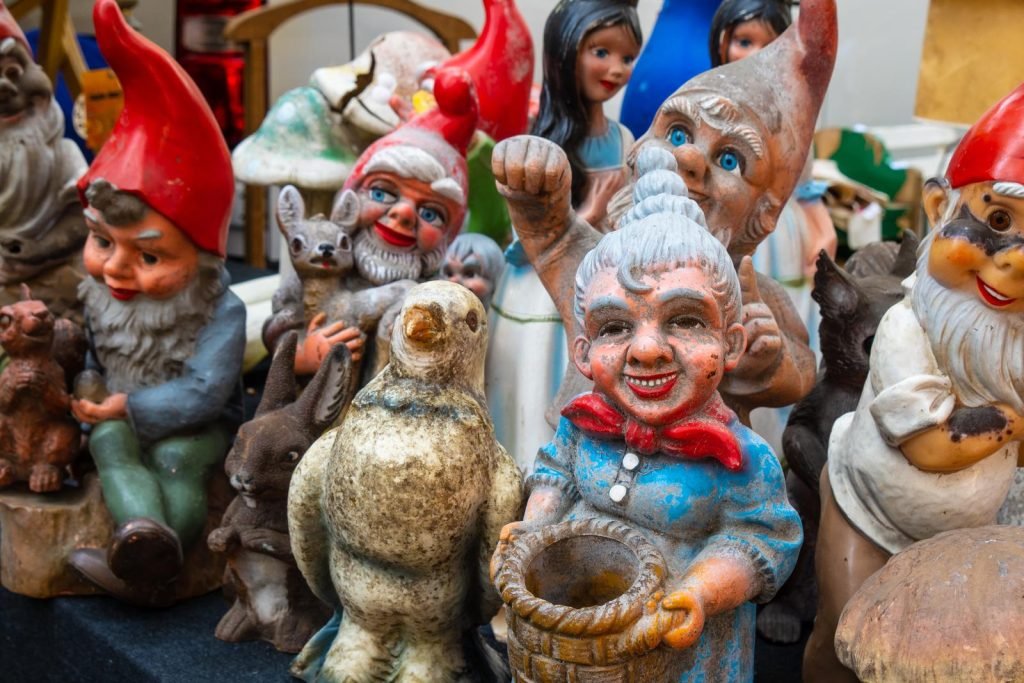
The environmental benefits of second-hand shopping are significant, particularly in a country like the Netherlands that prioritizes sustainability.
By purchasing pre-owned items, consumers actively participate in reducing waste and minimizing their carbon footprint much more than throwing a can in a recyling container. Don’t worry, the Dutch have caught up and nearly all glass, metal and plastic bottling is recycled at local supermarkets.
The production of new goods often involves resource-intensive processes that contribute to pollution and environmental degradation.
In contrast, buying second-hand means extending the life cycle of products that have already been manufactured, thereby conserving resources and reducing the demand for new production. Moreover, the second-hand market helps combat the throwaway culture that has become prevalent in many parts of the world. In the Netherlands, where recycling rates for larger items are among the highest globally, second-hand shopping complements existing waste management efforts.
It encourages individuals to think critically about their consumption habits and consider the environmental impact of their choices. By choosing to shop second-hand, Dutch consumers are not only making a statement about their values but also contributing to a more sustainable future for generations to come.
The Economic Benefits of Second-Hand Shopping in the Netherlands
The economic advantages of second-hand shopping extend beyond individual savings; they also contribute to a more resilient local economy. Thrift stores and vintage shops often rely on local donations and support from community members, creating jobs and stimulating economic activity within neighborhoods. These businesses frequently operate on tight margins, which means that money spent in second-hand shops tends to circulate within the local economy rather than being funneled into large corporations.
This localized spending fosters community development and strengthens social ties. Additionally, the rise of online platforms for buying and selling second-hand goods has opened up new avenues for entrepreneurship. Many individuals have turned their passion for thrift shopping into small businesses, selling curated collections of vintage clothing or refurbished furniture online.
This trend not only provides an income stream for many but also encourages creativity and innovation within communities. The economic benefits of second-hand shopping in the Netherlands are multifaceted, supporting both individual financial well-being and broader community growth.
The Social and Community Aspects of Second-Hand Shopping in the Netherlands
Second-hand shopping in the Netherlands is more than just a transaction; it’s an opportunity for social interaction and community building. Thrift stores often serve as gathering places where people from diverse backgrounds come together to browse, chat, and share stories. These spaces foster connections among locals who might not otherwise cross paths, creating a sense of belonging that transcends socioeconomic barriers.
In many ways, these shops act as microcosms of Dutch society—diverse, inclusive, and focused on sustainability. Community events centered around second-hand shopping are also gaining traction across the country. Flea markets, swap meets, and pop-up shops provide platforms for individuals to exchange goods while promoting sustainable practices.
These events often feature live music, food stalls, and workshops on upcycling or DIY projects, turning shopping into a festive occasion rather than a mundane chore. By participating in these communal activities, individuals not only find unique items but also strengthen their ties to their neighborhoods and fellow citizens.
Overcoming the Stigma of Second-Hand Shopping in the Netherlands
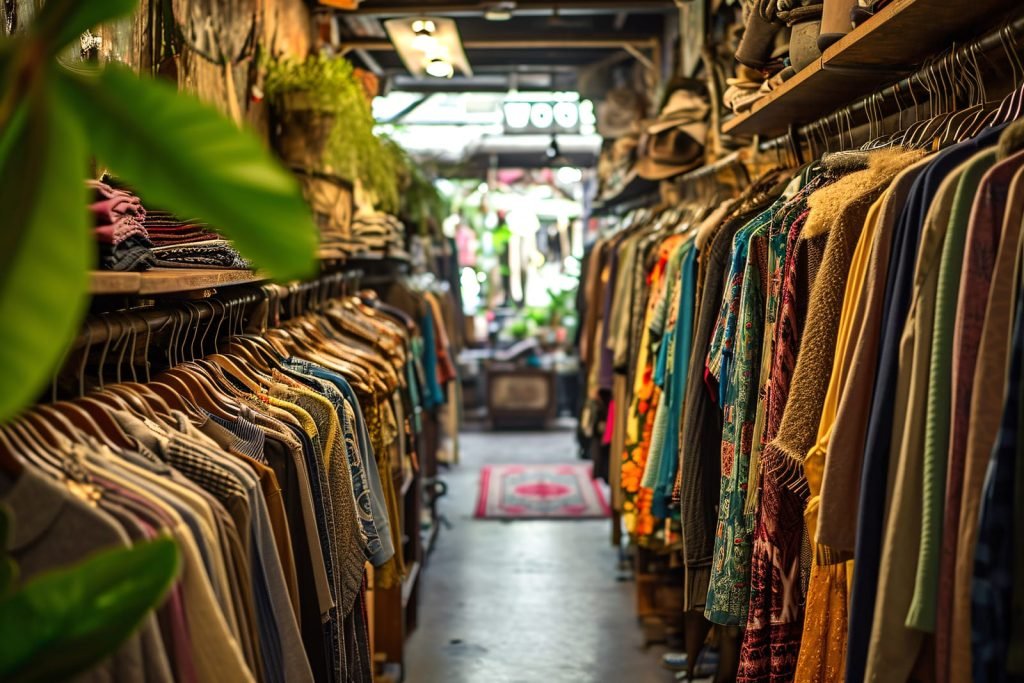
There’s probably a second-hand store for that
Despite its many benefits, second-hand shopping still faces some stigma in certain circles. For some people, purchasing pre-owned items can evoke feelings of embarrassment or inferiority, as if buying new is somehow more prestigious. However, this perception is gradually changing as more individuals recognize the value of sustainability and conscious consumerism.
In the Netherlands, however, where environmental awareness is high, second-hand shopping is a badge of honor rather than a sign of financial struggle. Social media plays a significant role in reshaping attitudes toward second-hand shopping. Influencers and eco-conscious bloggers are showcasing their thrifted finds and promoting sustainable fashion choices to their followers.
This visibility helps normalize second-hand shopping and encourages others to embrace it as a viable option. As more people share their positive experiences with thrift stores and vintage shops, the stigma surrounding second-hand shopping continues to diminish. In a country that prides itself on innovation and progressiveness, it’s heartening to see this shift toward valuing sustainability over superficiality.
In conclusion, the culture of sustainability in the Netherlands has paved the way for a thriving second-hand market that offers numerous environmental, economic, social, and community benefits. As more individuals embrace this lifestyle choice, they contribute not only to their own well-being but also to a collective effort toward a more sustainable future. By overcoming stigma and celebrating the unique treasures found in thrift stores and online marketplaces, the Dutch are leading by example—showing that conscious consumerism can be both rewarding and enjoyable.