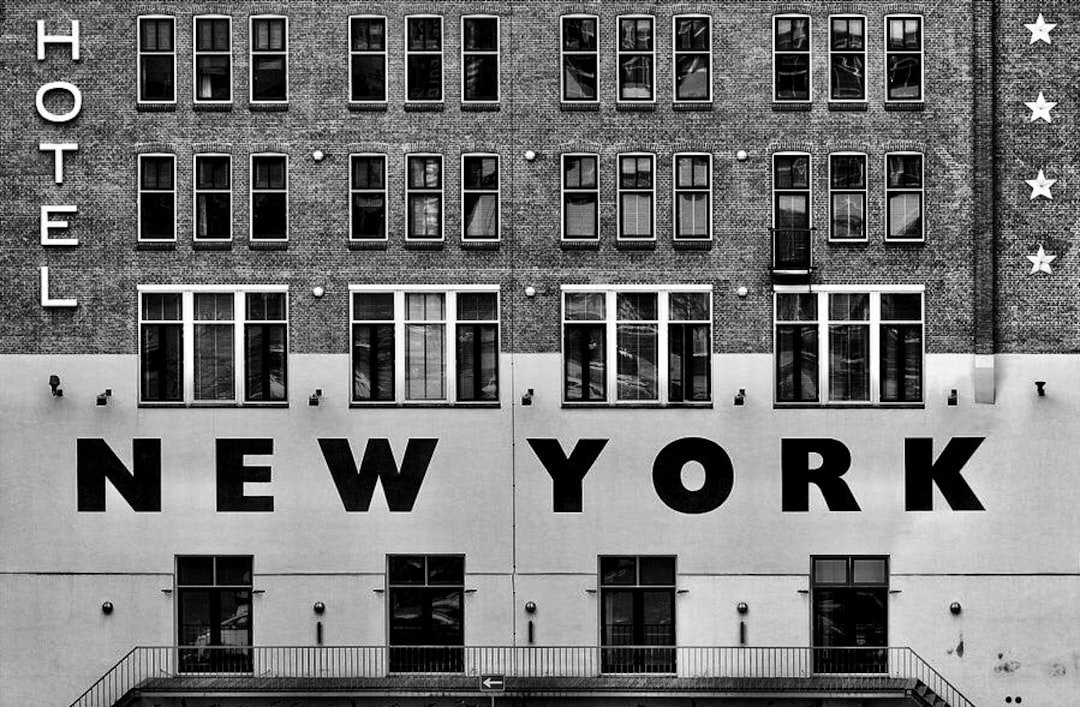
In the early 17th century, the Dutch set their sights on the New World, driven by a desire for trade and expansion. In 1624, they established a settlement on the southern tip of Manhattan Island, which they named New Amsterdam. This strategic location was chosen for its natural harbor, making it an ideal hub for commerce.
The Dutch West India Company, a powerful trading entity, played a crucial role in this endeavor, seeking to capitalize on the lucrative fur trade with Native American tribes. The Dutch most likely did swindle the native Americans. $24 in trinkets seems like a ridiculous deal, but the settlement quickly grew, attracting a mixed population of settlers, traders, and adventurers from various parts of Europe. The Dutch influence on New York began with their unique approach to governance and community building.
Unlike many other colonial powers, the Dutch were relatively tolerant of different cultures and religions. While this wasn’t extended to everyone, this openness fostered a “melting pot atmosphere” that would become a hallmark or curse of New York City. It wasn’t perfect. The Dutch provided the roots of the slave system. However, the settlers built homes and businesses that reflected their heritage, laying the groundwork for a city that would evolve into one of the most cosmopolitan places on Earth. Many of the names of NYC, especially the lower half and the village, have Dutch orgins.
As the settlement expanded, it became a bustling center of trade and culture, setting the stage for the vibrant metropolis we know today.
Dutch Influence on New York’s Architecture
The architectural legacy of the Dutch in New York is both charming and distinctive. Many of the early structures were built in the traditional Dutch style, characterized by their gabled roofs and brick facades. The most iconic example is the famous “Dutch Colonial” house, which features a steeply pitched roof and decorative eaves.
These homes were not only practical for the climate but also reflected the aesthetic sensibilities of their builders. As you stroll through neighborhoods like the Lower Manhattan area or Brooklyn’s historic districts, you can still catch glimpses of these architectural gems that harken back to the 17th century. Beyond residential buildings, the Dutch also influenced public architecture in New York.
The construction of Fort Amsterdam, which served as both a military outpost and a trading hub, laid the foundation for what would eventually become the financial district. The fort’s design incorporated elements of European military architecture while adapting to local conditions. Over time, as New York evolved, these early structures were often repurposed or renovated, but their Dutch roots remain evident in the city’s architectural tapestry.
The blend of styles that emerged from this period has contributed to New York’s reputation as an architectural wonderland.
Dutch Influence on New York’s Culture

Thank you, Netherlands
The cultural impact of the Dutch settlement in New York is profound and far-reaching. From the very beginning, the Dutch brought with them a rich tapestry of traditions, customs, and social practices that would shape the identity of the city. One notable contribution is the celebration of holidays such as St. Nicholas Day, which has evolved into what we now know as Christmas in America. The Dutch tradition of gift-giving on December 5th laid the groundwork for many modern holiday customs that we cherish today. Moreover, the Dutch were instrumental in establishing a sense of community through their social gatherings and festivals.
The famous “Kermis,” or harvest festival, was a time for feasting, dancing, and merriment. These celebrations fostered a sense of belonging among settlers and helped to create a vibrant social fabric that would endure through generations. Even today, remnants of these early cultural influences can be seen in New York’s diverse festivals and community events that celebrate various heritages and traditions.
Dutch Influence on New York’s Economy
The economic landscape of New York owes much to its Dutch origins. The establishment of New Amsterdam as a trading post allowed for the flourishing of commerce and industry in the region. The Dutch West India Company played a pivotal role in this development by facilitating trade with Europe and indigenous peoples alike.
They introduced new goods and commodities to the market, including furs, tobacco, and sugar, which became staples in the burgeoning economy. As trade routes expanded, so did opportunities for entrepreneurship. The Dutch encouraged private enterprise and individual initiative, laying the groundwork for what would become one of the world’s most dynamic economies.
This spirit of capitalism attracted immigrants from various backgrounds who sought their fortunes in this land of opportunity.
Today, New York City stands as a global financial powerhouse, with Wall Street at its core—a testament to the economic foundations laid by its early Dutch settlers.
Dutch Influence on New York’s Legal System
The legal framework established by the Dutch in New York has had lasting implications for its governance and judicial practices. When New Amsterdam was founded, the Dutch implemented a system of laws that emphasized property rights and individual freedoms. This legal structure was relatively progressive for its time and laid the groundwork for future legal developments in the region.
One significant aspect of Dutch law was its focus on community involvement in governance. Local councils were established to address issues affecting residents, allowing for a degree of self-governance that was uncommon in other colonies. This participatory approach influenced later democratic practices in New York and beyond.
As the city grew and evolved, many principles from this early legal system were integrated into modern American law, reflecting the enduring legacy of Dutch influence on governance.
Dutch Influence on New York’s Language
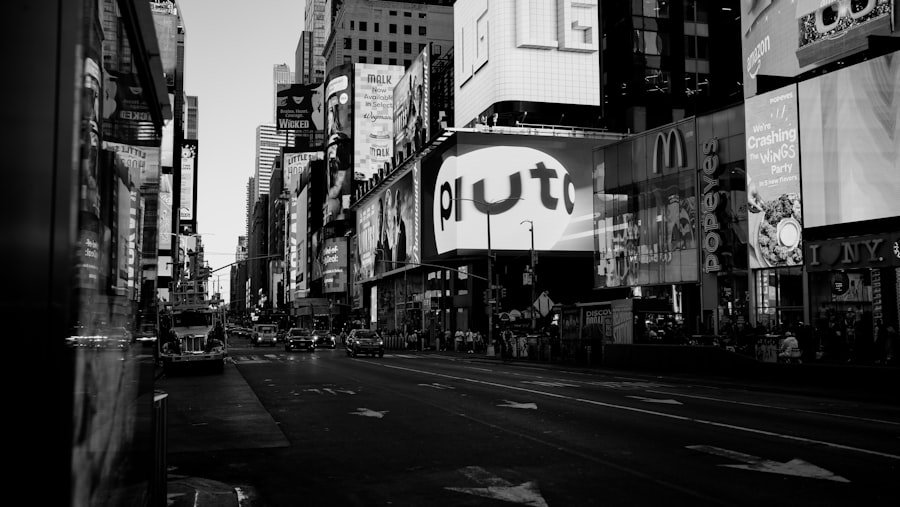
It might have a background in Dutch
Language is one of the most subtle yet powerful ways that culture is transmitted across generations. The Dutch settlers brought their language with them to New Amsterdam, leaving an indelible mark on the linguistic landscape of New York City. While English eventually became dominant, many words and phrases from Dutch have persisted in everyday speech.
Terms like “cookie” (from “koekje”) and “boss” (from “baas”) are just a few examples of how Dutch vocabulary has woven itself into American English. Moreover, place names throughout New York serve as reminders of its Dutch heritage. Areas like Harlem (originally “Haarlem”), Brooklyn (from “Breukelen”), and Flushing (from “Flushing”) all bear names that reflect their Dutch origins.
These linguistic remnants not only enrich the city’s cultural tapestry but also serve as historical markers that connect contemporary New Yorkers to their past.
Dutch Influence on New York’s Food and Drink
When it comes to food and drink, the Dutch settlers left an appetizing legacy that continues to tantalize taste buds today. One of their most notable contributions is the tradition of brewing beer. The Dutch were avid brewers who introduced various styles to America, paving the way for what would become a thriving craft beer scene in New York City.
Today’s breweries often pay homage to this heritage by crafting beers inspired by traditional recipes. Additionally, culinary staples such as pancakes can trace their roots back to Dutch settlers who brought their love for “pannekoeken” to America. These thin pancakes have evolved into what we now enjoy as breakfast favorites across diners in New York City.
The influence extends beyond breakfast; dishes like herring and various pickled foods reflect Dutch culinary traditions that have been embraced by diverse communities throughout the city.
The Legacy of Dutch Influence in New York Today
The legacy of Dutch influence in New York is woven into the very fabric of the city’s identity. From its architecture to its economy, culture, language, and cuisine, traces of this early settlement can be found at every turn. As you walk through neighborhoods like Greenwich Village or Williamsburg, you can feel echoes of that original spirit—an eclectic mix of cultures coming together to create something unique.
Today’s New York City thrives on diversity and innovation, much like it did during its early days under Dutch rule. The principles of tolerance and community engagement established by those first settlers continue to resonate in contemporary society.
Festivals celebrating various heritages abound throughout the year, showcasing how far-reaching those early influences have been.
In essence, while centuries have passed since the Dutch first set foot on Manhattan Island, their impact remains palpable in every corner of this vibrant metropolis. As we navigate through bustling streets filled with people from all walks of life, it’s essential to remember that beneath it all lies a rich history shaped by those adventurous souls who dared to dream big in a new land—a legacy that continues to inspire generations today.