
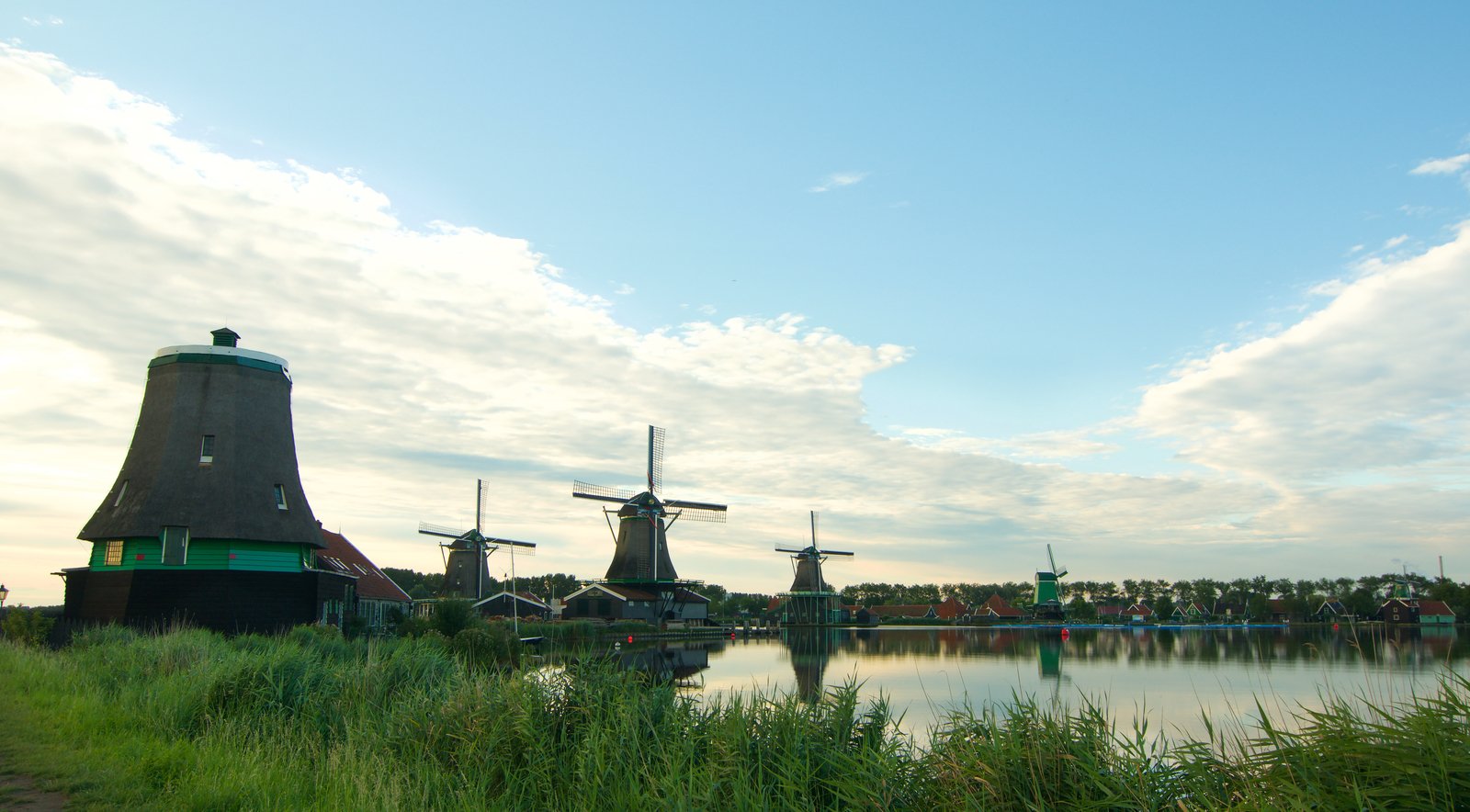
Zaanse Schans is a picturesque village located just north of Amsterdam, in the Netherlands. This charming area is often described as a living museum, showcasing traditional Dutch culture and heritage. With its iconic windmills, wooden houses, and vibrant green fields, Zaanse Schans offers visitors a glimpse into the Netherlands of the 18th and 19th centuries.
The village is not only a feast for the eyes but also a hub for learning about Dutch craftsmanship and history. When you step into Zaanse Schans, you are transported to a different time. The air is filled with the scent of freshly baked stroopwafels, and the sound of windmills creaking in the breeze creates an enchanting atmosphere. Is it a Dutch experience, or an example of hyper tourism?
History of Zaanse Schans
The history of Zaanse Schans dates back to the 17th century, during the Dutch Golden Age. This period marked significant economic growth and innovation in the Netherlands, particularly in the Zaan region. The area became known for its windmills, which were used for various industrial purposes, including oil extraction and grain milling.
By the 18th century, Zaanse Schans had established itself as a center for manufacturing and trade.
In the 1960s, local authorities recognized the need to preserve this unique cultural heritage. They initiated efforts to protect the traditional buildings and windmills that defined the landscape.
The village was officially opened to the public in 1974, allowing visitors to experience the rich history firsthand. Today, Zaanse Schans stands as a testament to Dutch ingenuity and resilience, attracting millions of tourists each year who come to explore its historical significance.
Attractions and Activities at Zaanse Schans
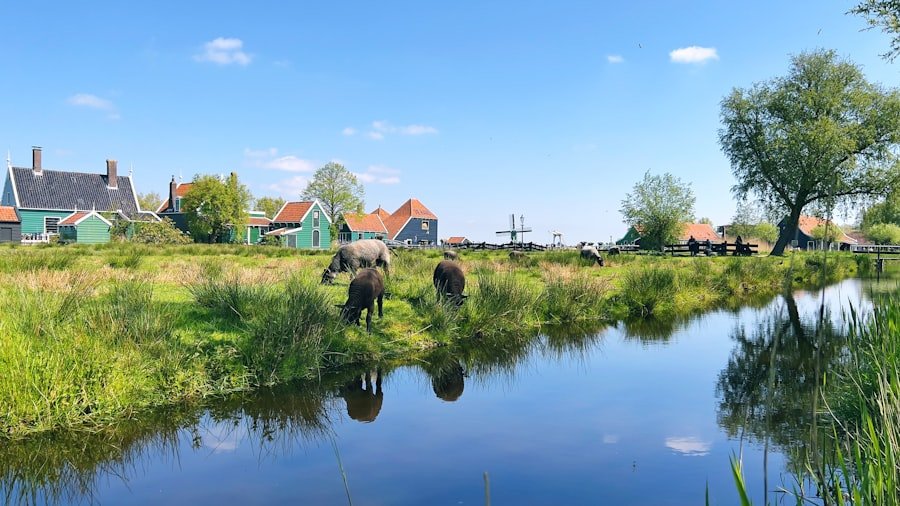
The sheep love it, but so do the tourists
Zaanse Schans is packed with attractions that cater to various interests. One of the most iconic features is the large collection of windmills, some of them working and accessible, that dot the landscape. Each windmill has its own unique function, from producing mustard to sawing wood.
You can climb to the top of some of these windmills for breathtaking views of the surrounding countryside. The experience is both educational and exhilarating. In addition to windmills, you can explore traditional wooden houses that have been preserved or relocated to the village.
These homes showcase authentic Dutch architecture and offer insights into daily life in centuries past. You can also visit artisan workshops where craftsmen demonstrate traditional skills such as cheese-making and clog-making. Participating in these activities allows you to appreciate the craftsmanship that has been passed down through generations.
Impact on Locals
The presence of Zaanse Schans has had a significant impact on the local community. For many residents, it provides an opportunity for economic growth through tourism. Local businesses thrive on the influx of visitors who come to experience Dutch culture.
Restaurants, shops, and workshops benefit from increased foot traffic, creating jobs and supporting the local economy. However, this influx of tourists also presents challenges. Some locals express concerns about overcrowding and the commercialization of their village.
Balancing tourism with maintaining a sense of community can be difficult. While many residents embrace the opportunity to share their culture with visitors, others worry about losing their identity in the process. This ongoing dialogue highlights the complexities of living in a tourist destination.
Reason for the New Admission Charge
Zaanse Schans will introduce an admission charge for visitors of 17.50 coming spring 2026, which has sparked discussions among tourists and locals alike. The primary reason for this fee is to help maintain and preserve the village’s historical sites and infrastructure. As visitor numbers continue to rise, so do the costs associated with upkeep and restoration.
The funds generated from this admission charge will be allocated towards essential maintenance projects, ensuring that Zaanse Schans remains a vibrant and authentic representation of Dutch heritage. This move aims to enhance visitor experiences while safeguarding the village’s future. By investing in preservation efforts, Zaanse Schans can continue to educate and inspire generations to come.
Controversy Surrounding the Admission Charge
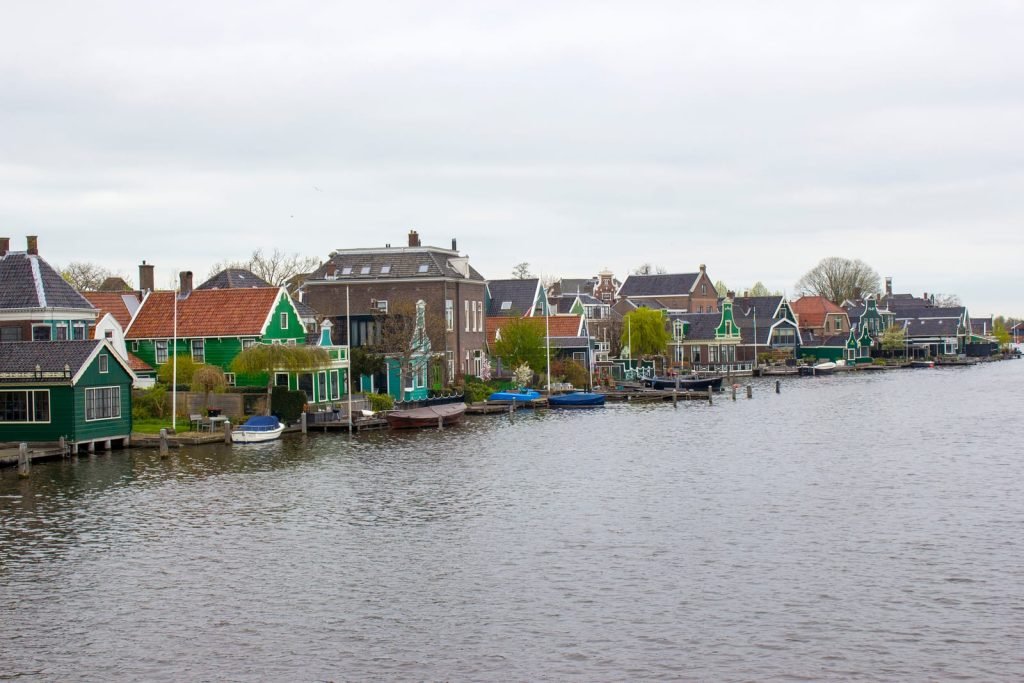
The neighborhood is not happy about the mass influx of day trippers from Amsterdam
The introduction of an admission charge has not been without controversy. Many visitors feel that access to such a culturally significant site should remain free or at least affordable for everyone. Critics argue that charging an entrance fee could deter potential visitors, especially those on a budget.
They worry that this could lead to a decline in tourism, ultimately harming local businesses that rely on foot traffic. On the other hand, supporters of the admission charge emphasize its necessity for preservation efforts and tourists with money. They argue that without adequate funding, Zaanse Schans may struggle to maintain its historical integrity, or be overrun.
This debate highlights a broader conversation about how best to balance tourism with cultural preservation and local quality of life in popular destinations worldwide.
Future of Zaanse Schans
Looking ahead, the future of Zaanse Schans hinges on finding a sustainable balance between tourism and preservation. As visitor numbers continue to grow, it will be crucial for local authorities to implement strategies that protect both the village’s heritage and its residents’ quality of life. This may involve developing new visitor management systems or enhancing educational programs that promote responsible tourism.
Additionally, ongoing community engagement will be vital in shaping Zaanse Schans’s future. Involving locals in decision-making processes can help ensure that their voices are heard and their concerns addressed. By fostering collaboration between residents and tourism stakeholders, Zaanse Schans can evolve while remaining true to its roots.
Tips for Visiting Zaanse Schans
If you’re planning a trip to Zaanse Schans, here are some practical tips to enhance your experience: – **Timing**: Visit early in the morning or later in the afternoon to avoid peak crowds.
– **Admission Fee**: Be prepared for the admission charge; check online for current rates.
– **Transportation**: Consider taking a bike from Amsterdam; it’s a scenic ride along the river.
– **Dress Comfortably**: Wear comfortable shoes; you’ll be walking on cobblestones and grassy paths.
– **Explore Beyond Windmills**: Don’t miss out on cheese-making demonstrations and clog workshops.
– **Photography**: Bring your camera; the views are stunning at every turn.
– **Stay Hydrated**: Pack water; you’ll want to stay refreshed while exploring.
– **Respect Local Culture**: Be mindful of residents; remember they live here year-round. Zaanse Schans offers a unique blend of history, culture, and natural beauty that makes it worth your time, but nonody likes somebody looking in their windows. With thoughtful planning and respect for both locals and their heritage, you can enjoy all that this enchanting village has to offer while contributing positively to its future.