The Netherlands has surged to the top of travel safety lists for 2026, overtaking longtime leader Iceland in a major international survey. According to the latest Safest Countries in the World report by Berkshire Hathaway Travel Protection, the Netherlands now ranks No. 1 globally for travel safety based on traveler experiences, official statistics, healthcare quality, and inclusive environments. (Forbes)
This shift reflects a broader trend in how safety is measured. Modern rankings now look beyond crime numbers alone to include healthcare access, political stability, social inclusion, and how safe travelers feel during their visit. (Forbes)
How the Netherlands Climbed to the Top
In the 2026 safety report, the Netherlands jumped from 14th place to first, a rare leap in global travel rankings. The methodology blended traveler surveys with data from respected sources such as the Global Peace Index, the Numbeo Safety Index, and GeoSure Global, covering factors from crime to quality of local health services. (Travel And Tour World)
Here’s what sets the Netherlands apart:
- Low violent crime and stable public order. Overall crime levels in Dutch cities remain low compared with many global destinations, especially for violent crime. Dedicated safety measures and visible public policing contribute to that trend. (blog.onevasco.com)
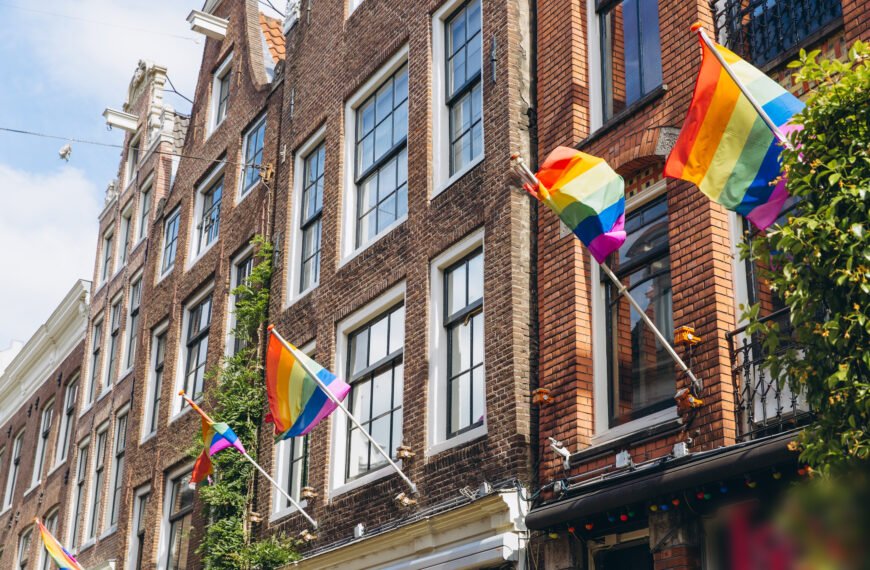
- Inclusive social policies. The country earned high marks for safety and comfort among women, LGBTQ+ travelers, and people of color. Progressive laws and social programs support respectful and secure travel experiences. (Forbes)
- World-class healthcare access. The Dutch healthcare system regularly ranks among the best in Europe, ensuring that travelers can securely access medical care when needed. Hospitals and clinics are well distributed and efficient. (Travel And Tour World)
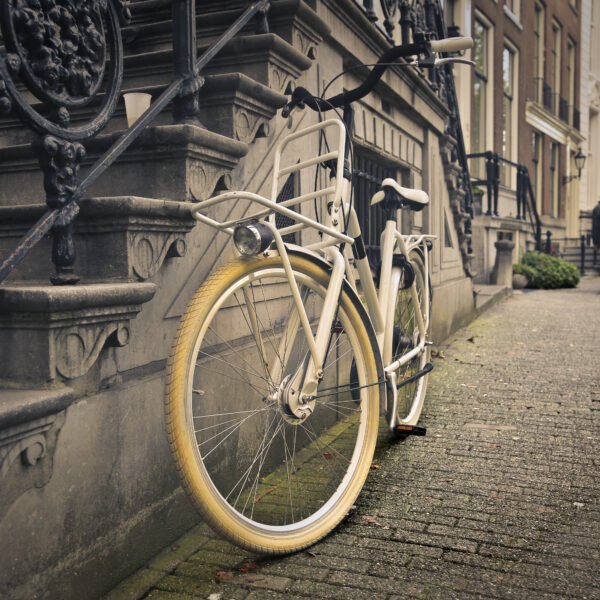
- Strong public infrastructure. Efficient trains, buses, and cycling networks help reduce risks associated with transport. The Netherlands has more than 23,000 miles of bike lanes that make active travel safe and reliable. (Travel And Tour World)
- English-friendly services. Most Dutch residents and service personnel speak fluent English, reducing language barriers in emergencies. (Travel And Tour World)
What This Means for Travelers in 2026
Travelers now define safety more broadly than in the past. While crime rates matter, modern tourists also weigh factors like:
- – Ease of communication in emergencies.
- – Reliability of local healthcare and emergency response.
- – Inclusivity and respect for diverse identities.
- – Low terrorism or political instability risk.
The Netherlands now excels across all of these measures, according to the 2026 safety report. (Forbes)
Comparative Context
Although the Netherlands leads the Berkshire Hathaway list, other indexes show the country in a slightly different position when judged purely on crime numbers. For example, the mid-2025 Numbeo Safety Index ranked the Netherlands around 19th globally, a respectable position but not the very top. (HelloSafe)
Even so, the more holistic safety rankings used by travel professionals give the Netherlands a strong edge for international visitors, especially those who value healthcare quality, inclusivity, and reliable infrastructure. (Travel And Tour World)
What Travelers Should Know
No destination is risk-free. In the Netherlands, the most notable daily hazard for visitors tends to be urban mobility quirks: local bike culture moves fast and bike lanes are everywhere, so pedestrians should stay alert when crossing paths. (Travel + Leisure)
Nevertheless, for travelers seeking peace of mind in 2026, the Netherlands now stands out as one of the safest places in the world to visit, with strong systems that protect both residents and international guests. (Forbes)