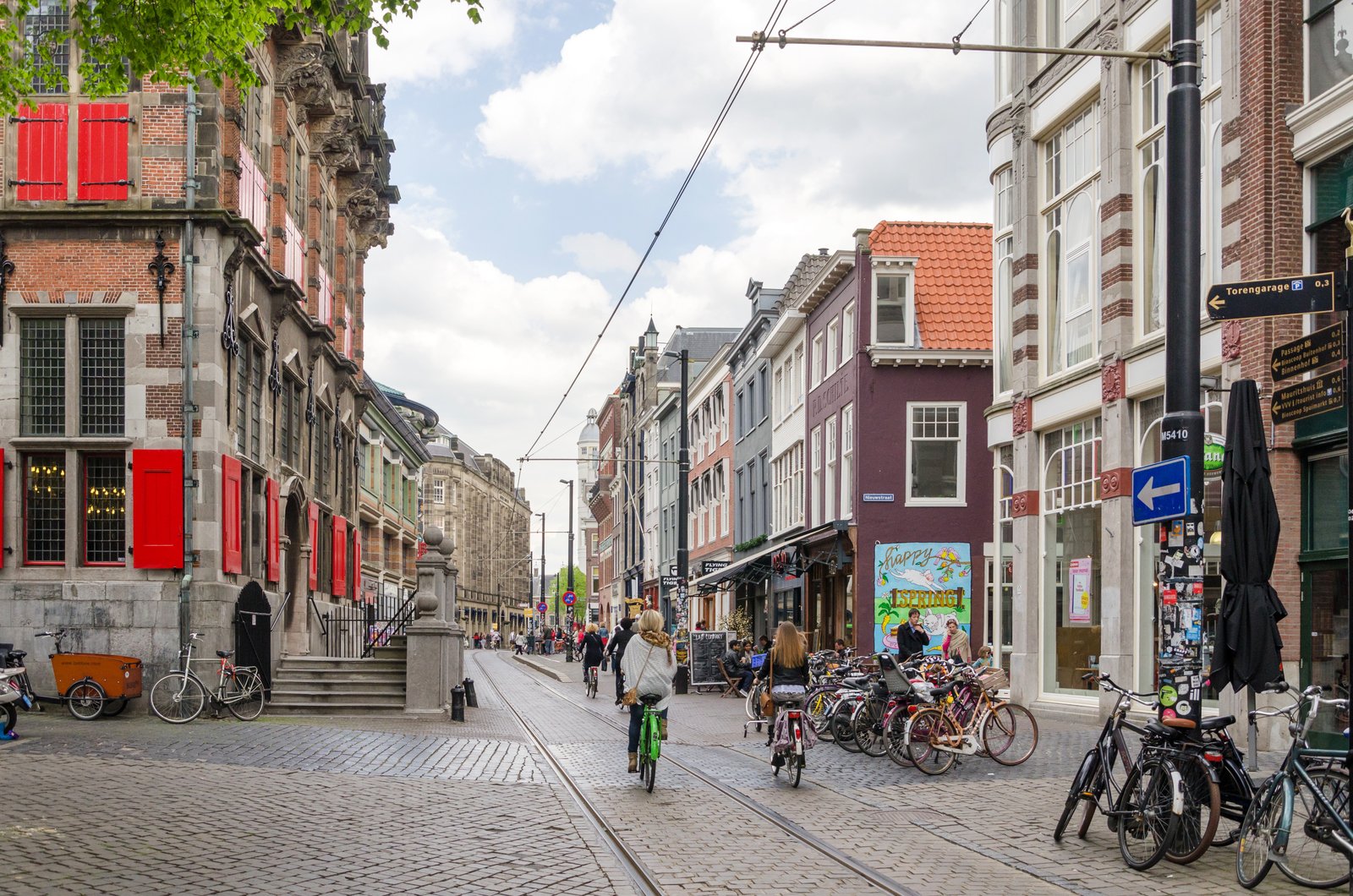
If there is one stereotype about the Netherlands that is resoundingly true, it’s the Dutch obsession with bicyles. They’re everywhere. If you’ve ever strolled through Amsterdam or any other Dutch city, you might have noticed the extensive accompanying network of bike lanes that crisscross the landscape like a well-planned spider web. These lanes are not merely decorative; they are a vital part of daily life for millions of Dutch citizens.
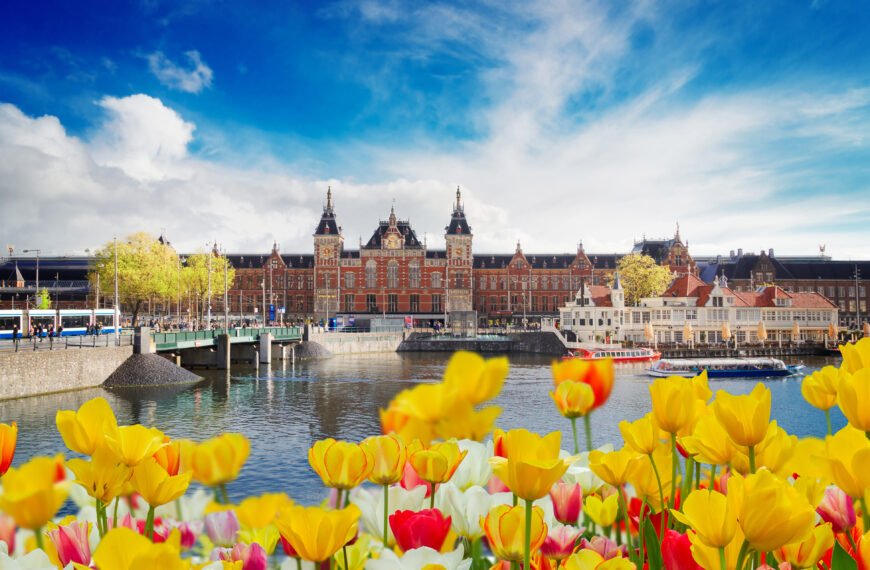
However, with great bike lanes comes great responsibility, especially for pedestrians who find themselves navigating this two-wheeled wonderland. In this article, we’ll look at the intricacies of Dutch bike lanes and pedestrian rules, exploring how to coexist harmoniously in this cycling utopia. Whether you’re a tourist trying to avoid a near-miss with a speeding cyclist or a wondering how to cross the lane at Amsterdam’s Centraal, understanding the dynamics of these lanes is essential.
After all, nothing says “I’m a clueless tourist” quite like stepping into a bike lane while engrossed in your phone to take a picture. It happens. All the time. Let’s pedal our way through this topic and ensure you’re well-equipped to navigate the Dutch streets without becoming a human speed bump.
Understanding the Dutch Cycling Culture and Infrastructure
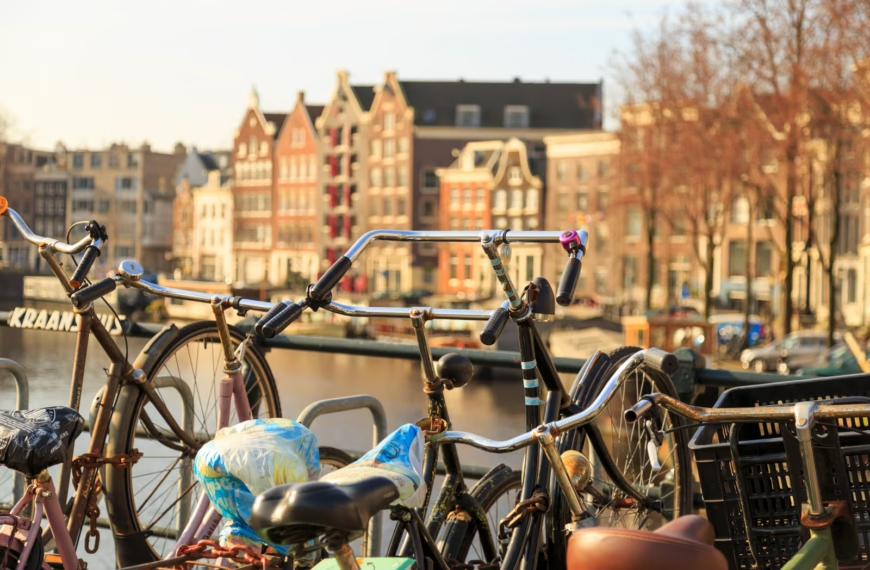
The Dutch cycling culture is not merely a trend; it’s a way of life. In fact, the Netherlands boasts more bicycles than people—yes, you read that right. Much more. Most Dutch have a junk bike tht will inevitabl;y be stolen or tossed into a canal – thousands each year and at least one car on average – and a “weekend” bike that’s a bit nicer. This love affair with cycling is deeply rooted in the country’s history and geography.
With flat landscapes and a commitment to sustainability, biking has become the preferred mode of transport for many. You’ll see everyone from toddlers to grandmas zipping around on their bikes, often with a child or two in tow. There are bikes for deliveries, bikes to for preschoolers, bikes foe the elderly. It’s a beautiful sight, really—like a scene from a postcard, but with more windbreakers and less Photoshop. Watching a Dutch person on a bike is perhaps when they’re the most happy – it’s something to see.
The infrastructure supporting this cycling phenomenon is nothing short of impressive. Dedicated bike lanes are everywhere, often separated from car traffic by curbs or painted lines. These lanes are designed to keep cyclists safe while allowing them to zip through cities with ease.
In fact, many cities have even implemented traffic signals specifically for cyclists, ensuring that they can navigate intersections without fear of becoming a hood ornament for an unsuspecting car driver. This thoughtful design reflects the Dutch commitment to creating a safe and efficient environment for all road users.
Rules and Etiquette for Pedestrians on Dutch Bike Lanes
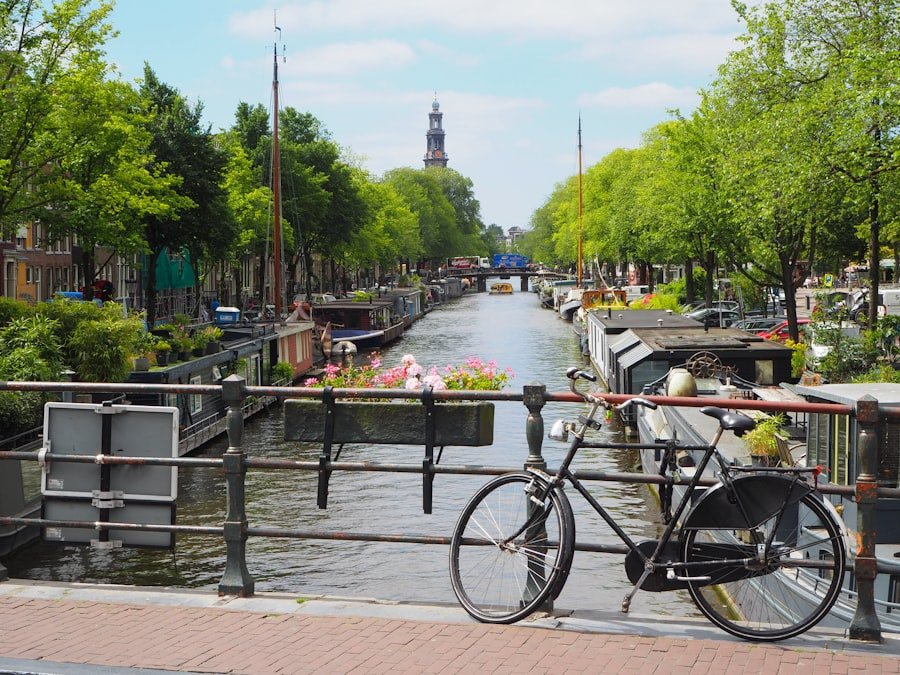
Now that we’ve established the importance of bike lanes in Dutch culture, let’s talk about the rules and etiquette that pedestrians must follow when traversing these two-wheeled highways. First and foremost, the bicyclists has the right of way, always, even over a pedestrian. it’s crucial to understand that bike lanes are not sidewalks. Yes, I know they may look inviting, but stepping onto one without a care in the world is akin to playing hopscotch on a busy freeway.
Cyclists are often traveling at impressive speeds, and sometimes motor bikes as well, and they expect the lanes to be clear for their passage. Pedestrians should always stay alert and be aware of their surroundings when walking near or on bike lanes. This means no texting, no scrolling through social media, and definitely no daydreaming about what you’ll have for dinner later.
If you must cross a bike lane, do so quickly and with purpose—think of it like Frogger or as an Olympic sprint rather than a leisurely stroll. Additionally, if you’re walking in a group, keep it tight – there’s power in groups and the bike will not manage to hit everyone so you’re a bit safer. Spreading out like you’re at a family reunion will only lead to chaos and potential collisions.
Remember, it’s all about respect—respect for cyclists and respect for your own safety.
Tips for Navigating Dutch Bike Lanes as a Pedestrian
Navigating Dutch bike lanes as a pedestrian can feel like an extreme sport if you’re not prepared. But fear not. With a few handy tips up your sleeve, you can master the art of coexistence without ending up as roadkill.
First off, familiarize yourself with the layout of the area you’re in. Many cities have maps available that highlight bike lanes and pedestrian paths. Knowing where you can walk safely will save you from awkward encounters with cyclists who may not appreciate your impromptu dance moves in their lane.
Another golden rule is to always look both ways before crossing any bike lane—yes, even if it feels like you’re back in kindergarten learning about traffic safety and even if you’re sure the bike lane is only one way. It’s not. Cyclists can appear out of nowhere, and they have the right of way. If you hear the telltale sound of a bell ringing behind you, don’t panic; simply stop, or if you can, step aside and let the cyclist pass. They will usually avoid hitting you.
It’s like being part of an unspoken ballet where everyone knows their role—except for that one tourist who thinks they can take center stage for the Instagram shot. It’s illegal to bicycle drunk but it happens, sometimes with a few people on one bike.. Instagram and drunk biking are bad combinations.
Safety Measures and Precautions for Pedestrians in the Netherlands
Safety should always be top of mind when navigating the bustling streets of the Netherlands. While it may seem like cyclists are everywhere (and they are), there are several measures pedestrians can take to ensure their own safety while enjoying the vibrant atmosphere around them. First off, wearing bright or reflective clothing can make you more visible to cyclists—especially during those dreary Dutch winters when daylight is scarce. The Dutch wear no helmets but they can spot a reflector.
Think of it as your personal safety beacon; after all, nobody wants to be mistaken for an obstacle. Additionally, consider using designated pedestrian crossings whenever possible. Once in awhile, the bikes do stop, if rarely. These crossings are strategically placed to help pedestrians navigate busy intersections safely.
If you find yourself at a crosswalk with both cyclists and cars whizzing by, take a deep breath and wait for your turn—patience is key. Walk a bit up the road and when you see an entry, go for it. And if you’re traveling with children or pets, keep them close and teach them about bike lane etiquette before hitting the streets. A little preparation goes a long way in preventing accidents and ensuring everyone has a pleasant experience.
Embracing the Dutch Cycling Lifestyle and Respecting Pedestrian Rules
Setting an Example for Sustainable Transport
The Netherlands has set a precedent for cities worldwide by prioritizing cycling as a sustainable mode of transport while ensuring pedestrian safety is also taken into account. By understanding the rules and etiquette surrounding bike lanes, pedestrians can navigate these bustling thoroughfares without fear or frustration.
Becoming Part of the Cycling Community
So next time you find yourself wandering through Amsterdam (where you needs your wits about you at all times) or Utrecht (lots of students), remember: you’re not just a tourist; you’re part of a larger community that values cycling as an integral part of daily life. Embrace the experience. Wave at passing cyclists (preferably not while standing in their lane), enjoy the sights without becoming an obstacle course for others, and most importantly, respect the rules that keep everyone safe on these vibrant streets.