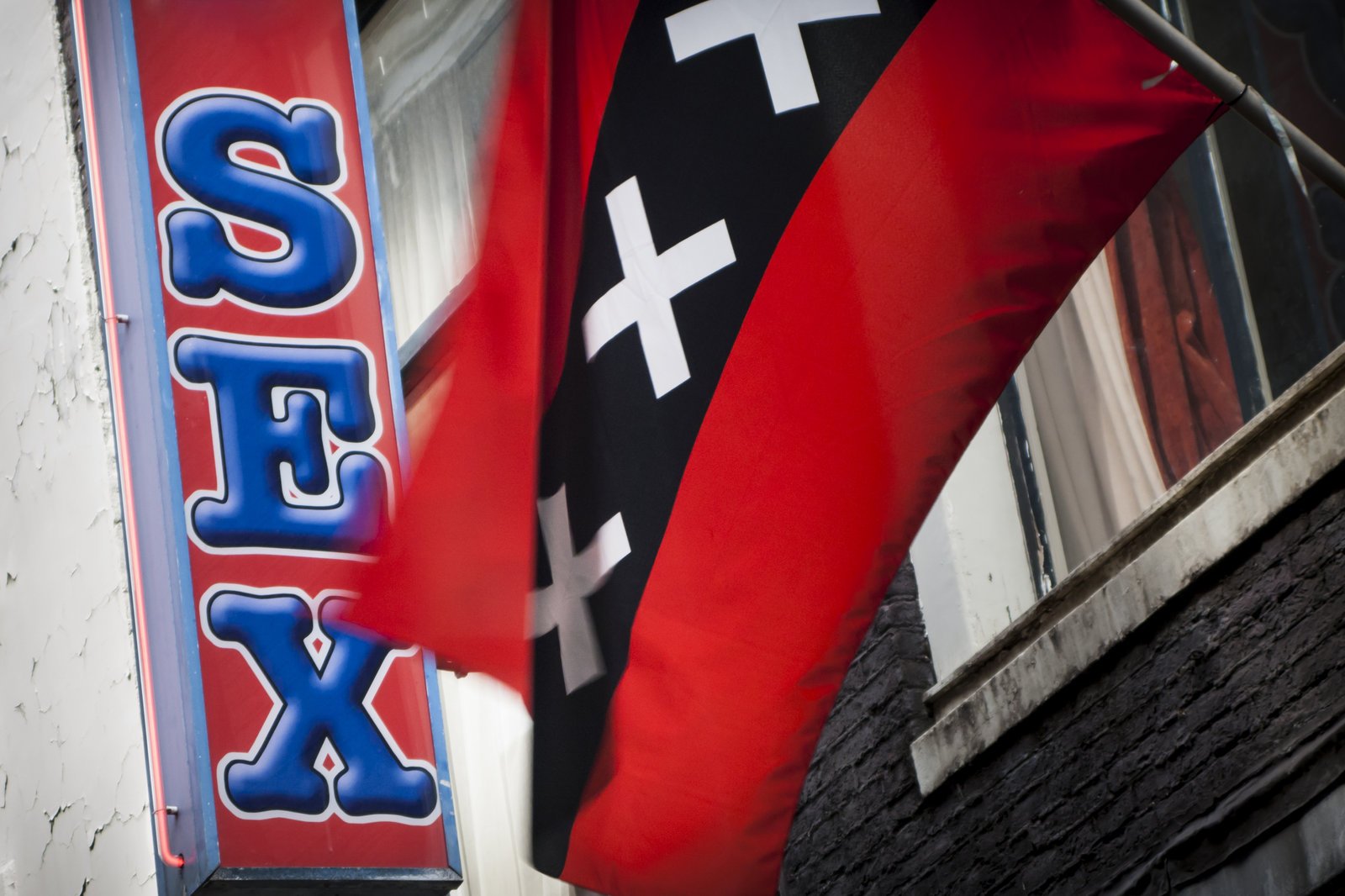
Amsterdam’s Red Light District, or De Wallen, is a world-renowned area that draws millions of visitors each year. With its iconic red-lit windows and the alluring presence of sex workers, it’s a place that sparks curiosity and conversation. Walking through the narrow, cobblestone streets, you can’t help but feel a mix of intrigue and respect for the women (and men) who work here.
The district is not merely a tourist attraction; it’s a complex tapestry of human experience, where the lines between empowerment and exploitation often blur. The history of the Red Light District (red colored light bulbs signify sex traders) is as rich as the city itself. Dating back to the 14th century, it has evolved from a haven for sailors seeking companionship to a regulated industry that reflects Amsterdam’s progressive values.
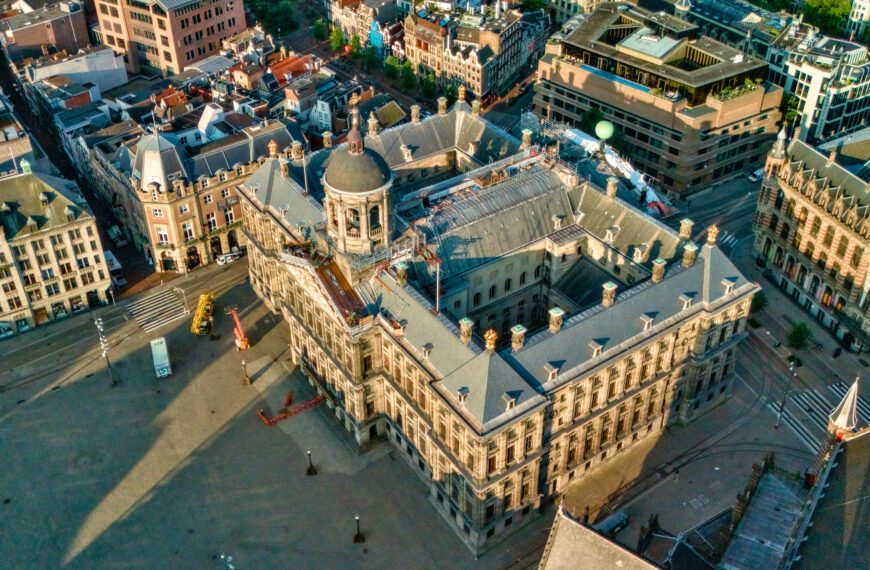
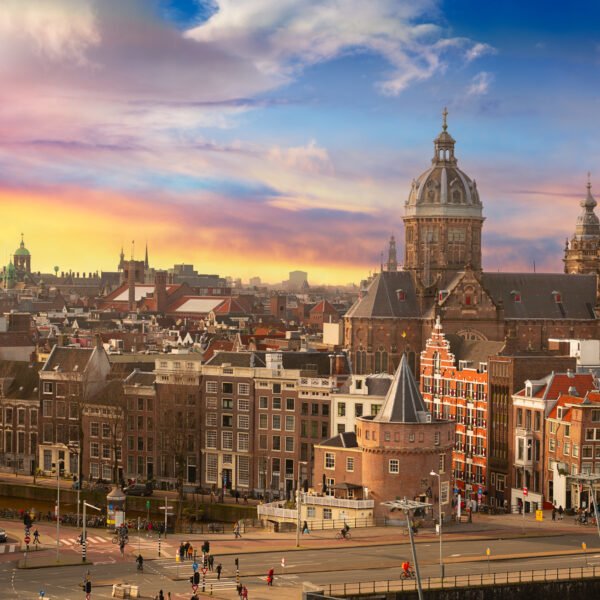
The area is home to more than just sex work; it boasts charming cafes, art galleries, and historic buildings that tell stories of a time when this part of the city was a bustling hub of trade and culture. As you stroll through, you might encounter street performers, artists, and locals going about their daily lives, reminding you that this district is not solely defined by its sex industry.
Prostitution in Amsterdam: Legalization and Regulation
Prostitution in Amsterdam is legal and regulated, a fact that often surprises those unfamiliar with the city’s approach to sex work. The Dutch government recognized that criminalizing prostitution pushed it underground, making it more dangerous for sex workers. In 2000, the Netherlands took a bold step by legalizing sex work, aiming to improve safety and health standards for sex workers while also reducing human trafficking.
This move was revolutionary, positioning Amsterdam as a model for other countries grappling with similar issues.
Regulation comes with its own set of challenges. Sex workers must register with the government, pay taxes, and adhere to health regulations.
While this framework aims to protect workers, it also raises questions about autonomy and choice. Many sex workers appreciate the legal status as it provides them with rights and protections they wouldn’t have otherwise. However, some argue that the system can be overly bureaucratic and doesn’t always account for the realities of their work. And while a considerable amount of sex work has moved online, affording perhaps more safety and anonymity but also unregulated risks, the tradition of the window continues in Amsterdam.
The ongoing dialogue about how best to support sex workers while ensuring their rights remains a critical aspect of Amsterdam’s approach to prostitution.
Nudity in Amsterdam: Cultural Norms and Acceptance
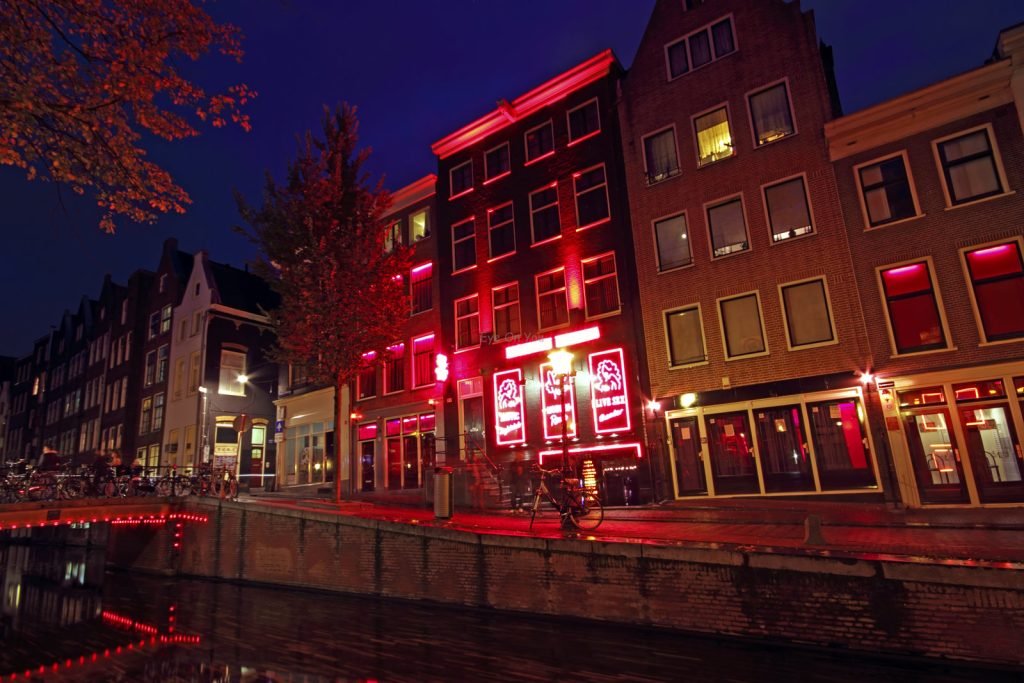
The sex industry is confined to a relatively small area in Amsterdam
In Amsterdam, sexuality and nudity is often met with a sense of nonchalance that can be surprising to visitors from more conservative cultures. The Dutch have a long-standing tradition of embracing the human body in all its forms, viewing nudity as a natural state rather than something to be shamed or hidden away. There is, in general, a live and let live attitude. This cultural acceptance is evident in various aspects of life, from public parks where sunbathers lounge freely to art galleries showcasing works that celebrate the human form.
This openness extends beyond mere acceptance; it’s woven into the fabric of Dutch society. For instance, many locals feel comfortable discussing topics related to sexuality and nudity without the awkwardness that often accompanies such conversations elsewhere. This cultural norm fosters an environment where people can express themselves without fear of judgment.
However, it’s essential for visitors to approach this aspect of Dutch culture with respect and understanding, recognizing that what may seem liberating to some can be disconcerting to others. Walking in some parts of the district, you will encounter churches, prostitution and day care centers.
Sex Tourism in Amsterdam: Separating Fact from Fiction
Sex tourism in Amsterdam is often sensationalized in popular media, leading to misconceptions about what it truly entails. While it’s undeniable that many tourists flock to the city for its liberal attitudes toward sex work, the reality is far more nuanced than the stereotype of drunken revelers stumbling through the Red Light District. Many visitors come with genuine curiosity about the culture and seek to understand the complexities surrounding sex work rather than simply indulging in hedonistic pursuits. Contrary to myth, very few tourists engage in sexual acts.
Moreover, not all tourists engage with sex work in the same way. Some are interested in learning about the history and regulation of prostitution, while others may want to support local businesses by purchasing services from sex workers who operate legally. It’s crucial to recognize that behind every window is an individual with their own story, aspirations, and challenges.
Engaging with this aspect of Amsterdam requires sensitivity and an awareness of the broader social issues at play.
The Reality of Sex Work in Amsterdam: Challenges and Controversies
Despite its progressive stance on sex work, Amsterdam faces significant challenges within its industry. One major concern is human trafficking, which remains a pressing issue even in a regulated environment. While many sex workers operate independently and legally, even unionizing, there are still individuals who fall victim to exploitation and coercion.
The city has implemented various measures to combat trafficking, but it’s an ongoing battle that requires constant vigilance and collaboration between law enforcement and advocacy groups. Additionally, stigma surrounding sex work persists, complicating the lives of those involved in the industry. Many sex workers face discrimination and social ostracism, which can lead to mental health issues and economic instability. A government movement to push the sex trade to a confined area to the south of the city and to regulate hours (ending at 2 AM) would be a drop in trade as well as a safety risk: sex workers leaving areas at 2 AM when more patrons are drunk, even in relatively safe Amsterdam, is not advisable. Additionally, trans sex workers would be possibly most at risk, as later hours are when customers generally seek a sexual experience.
The narrative surrounding sex work often focuses on sensationalism rather than the lived experiences of workers themselves. Advocates argue for a more nuanced understanding that recognizes both the agency of sex workers and the systemic issues they navigate daily.
The Future of Sex in Amsterdam: Changing Attitudes and Policies
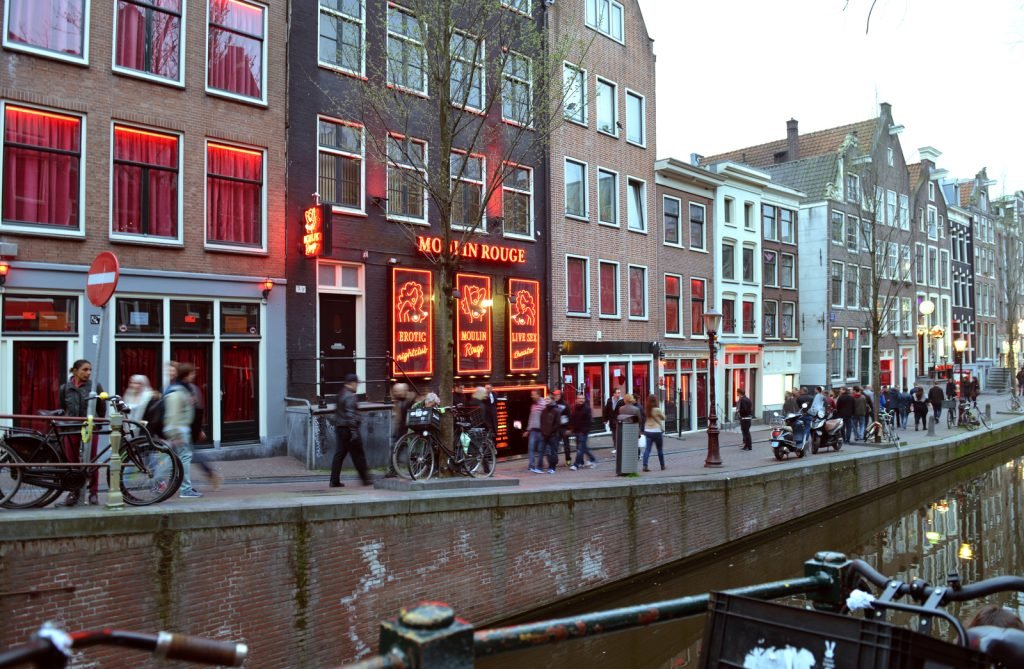
During the day, most sex areas are regular tourist zones
As societal attitudes toward sex work continue to evolve globally, Amsterdam finds itself at a crossroads. The city has long been viewed as a pioneer in progressive policies regarding sex work, but changing dynamics—both locally and internationally—are prompting discussions about how best to adapt moving forward. There’s a growing recognition that while legalization has its benefits, there’s still much work to be done in terms of ensuring safety, health, and rights for all involved.
The future may see further reforms aimed at enhancing protections for sex workers while addressing issues like human trafficking more effectively. Additionally, as younger generations become more vocal about their views on sexuality and consent, there’s potential for a shift in how society perceives sex work as a legitimate profession. Ultimately, Amsterdam’s journey reflects broader conversations happening worldwide about autonomy, rights, and respect for individuals in all walks of life.
In conclusion, Amsterdam’s relationship with its sex industry is multifaceted and deeply rooted in its cultural identity. From the vibrant Red Light District to ongoing discussions about regulation and rights, the city serves as both a beacon of progress and a reminder of the complexities surrounding sex work. As attitudes continue to shift and evolve, Amsterdam remains at the forefront of these conversations—challenging norms while striving for a future where all individuals can navigate their choices freely and safely.