When you step into a Dutch café (cannibas or not), you’re not merely entering a place to grab a drink; you’re stepping into a cultural institution that has its own set of unwritten rules and etiquette. First and foremost, it’s essential to understand that these cafés are often social hubs where locals gather to chat, work, or simply enjoy the ambiance. This means that while you might be tempted to plop down at a table and whip out a laptop (or light up a joint), it’s generally more acceptable to to buy something and engage in conversation rather than simply soaking up the atmosphere.
If you’re going to a real coffee shop, consider: if you do need to work, consider visiting during off-peak hours when the café isn’t bustling with patrons, or going to a library. A key aspect of café etiquette in the Netherlands is the concept of “gezelligheid,” which translates roughly to coziness or conviviality. This isn’t just about the physical space; it’s about the vibe.
Locals appreciate a warm, inviting atmosphere, so be mindful of your volume and demeanor. If you’re with friends, keep the laughter light and the conversations engaging, but avoid dominating the space with loud chatter. Also, remember that it’s customary to greet the staff when you enter and thank them when you leave.
A simple “hallo” or “dank je wel” goes a long way in establishing rapport with the café staff.
The Law Surrounding Cannabis Use in Dutch Cafés
Decriminalization vs. Legalization
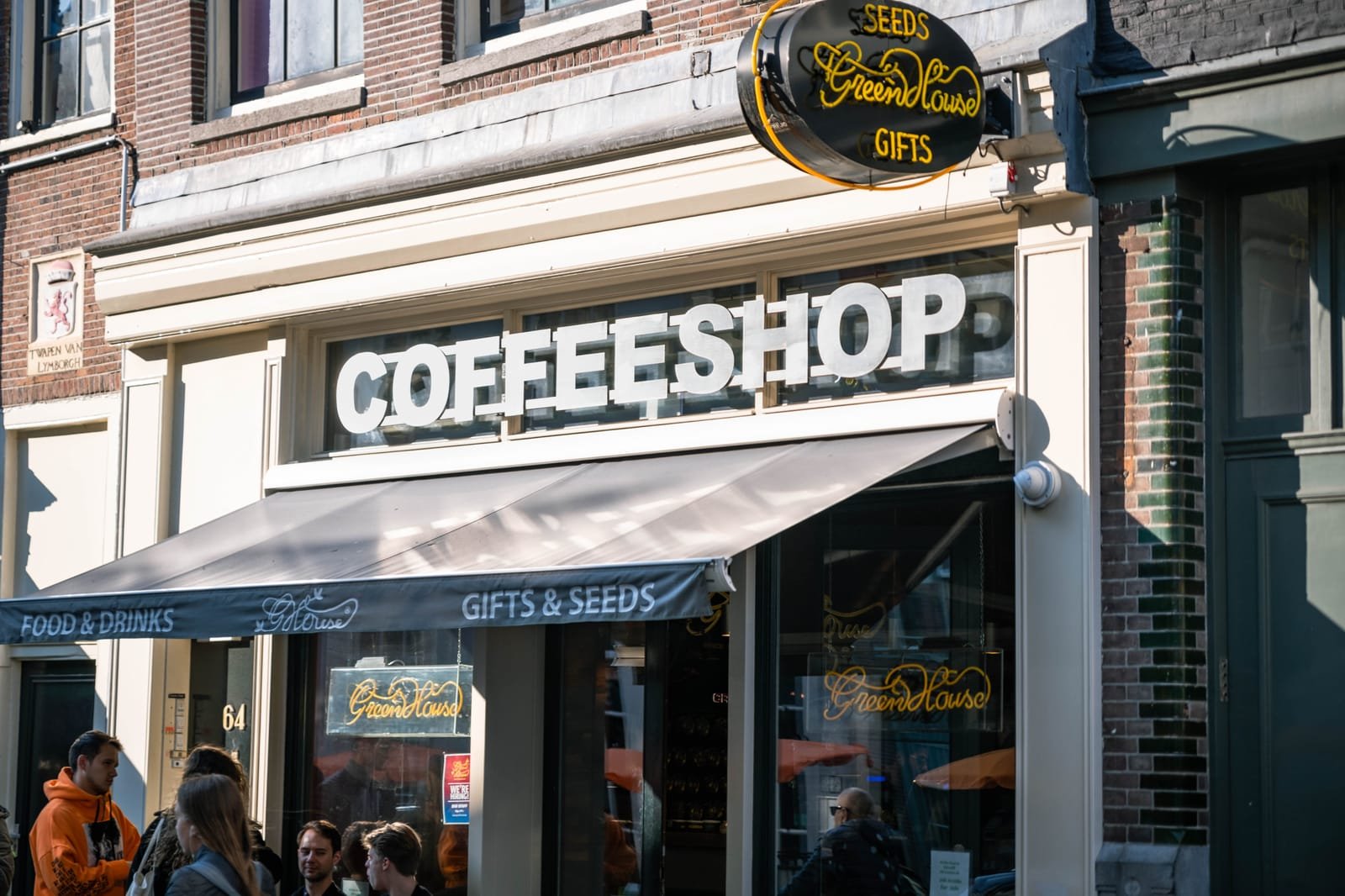
While possession of small amounts of cannabis for personal use is decriminalized, there are strict regulations governing how these coffeeshops operate. We don’t judge here at NL for Begineers, but when you’re in the Netherlands, be respectful. They can only sell cannabis to customers aged 18 and over, and they must adhere to specific guidelines regarding the amount sold. This includes identification.
Variety in Coffeeshops
Not all cafés are created equal when it comes to cannabis. Some may offer a wide variety of strains and products, while others might focus more on the café experience itself, serving coffee and pastries alongside a limited selection of cannabis.
Responsible Consumption
It’s also important to note that consuming cannabis in public spaces is generally frowned upon, and outright illegal in certain parts of the first and second rings in Amsterdam, so it’s best to enjoy your purchase within the confines of the coffeeshop. Familiarizing yourself with these laws not only enhances your experience but also ensures you remain on the right side of Dutch regulations.
Navigating the Different Types of Dutch Cafés
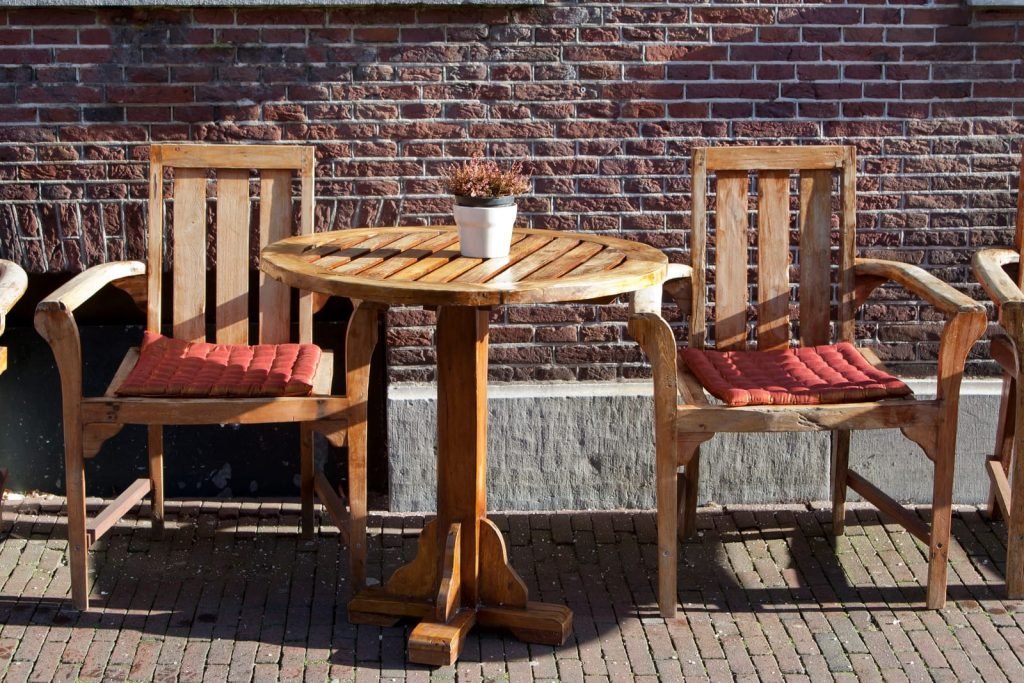
What’s that smell?
Dutch cafés come in various shapes and sizes, each offering a unique experience. From traditional brown cafés with their dark wood interiors and cozy atmospheres to modern establishments that embrace minimalist design, there’s something for everyone. Brown cafés are often characterized by their warm lighting, vintage decor, and a menu that features hearty Dutch fare alongside your favorite brews.
These spots are perfect for those looking to immerse themselves in local culture while enjoying a comforting meal. On the other hand, if you’re seeking a more contemporary vibe, many cities boast trendy cafés that focus on specialty coffee and artisanal pastries. These places often prioritize quality over quantity, sourcing beans from sustainable farms and employing skilled baristas who take pride in their craft.
You might find yourself sipping on a meticulously brewed pour-over while surrounded by hip decor and an eclectic crowd. Regardless of your preference, exploring different types of cafés can be an adventure in itself, revealing the diverse tapestry of Dutch café culture.
How to Order Coffee in a Dutch Café
Ordering coffee in a Dutch café can be an experience unto itself, especially if you’re unfamiliar with the local lingo. While many staff members speak English, making an effort to order in Dutch can earn you some brownie points. Start with a simple “Ik wil graag een koffie, alstublieft” (I would like a coffee, please).
But don’t stop there; understanding the various types of coffee available will enhance your experience. A “koffie verkeerd” is essentially a latte, while an “espresso” is just that—strong and unadulterated. If you’re feeling adventurous, try asking for a “cappuccino,” which comes topped with frothy milk and is perfect for those who enjoy a creamy texture.
For something sweeter, consider ordering a “latte macchiato,” which layers espresso over steamed milk for a visually appealing drink. And don’t forget about the pastries! Pairing your coffee with a traditional Dutch treat like an apple pie or stroopwafel can elevate your café experience to new heights.
Just remember to be patient; good coffee takes time to prepare.
The History and Culture of Dutch Cafés
The history of Dutch cafés is as rich as the coffee they serve. These establishments have been around for centuries, evolving from simple meeting places for locals to vibrant social hubs that reflect the country’s culture and values. In the 17th century, cafés began popping up in cities like Amsterdam as places where people could gather to discuss politics, art, and philosophy over a cup of coffee or tea.
This tradition of intellectual discourse continues today, with many cafés serving as informal meeting spots for artists, writers, and thinkers. Cafés also play a significant role in Dutch social life. They are places where friendships are forged and stories are shared over steaming cups of coffee or tea.
The concept of “gezelligheid” permeates these spaces, creating an atmosphere that encourages connection and conversation. Whether you’re sitting at a communal table or enjoying a quiet moment alone with your thoughts, there’s an undeniable sense of belonging that comes from being in a Dutch café.
This cultural significance makes them more than just places to grab a drink; they are integral to the fabric of Dutch society.
Tips for Enjoying a Safe and Pleasant Experience in Dutch Cafés
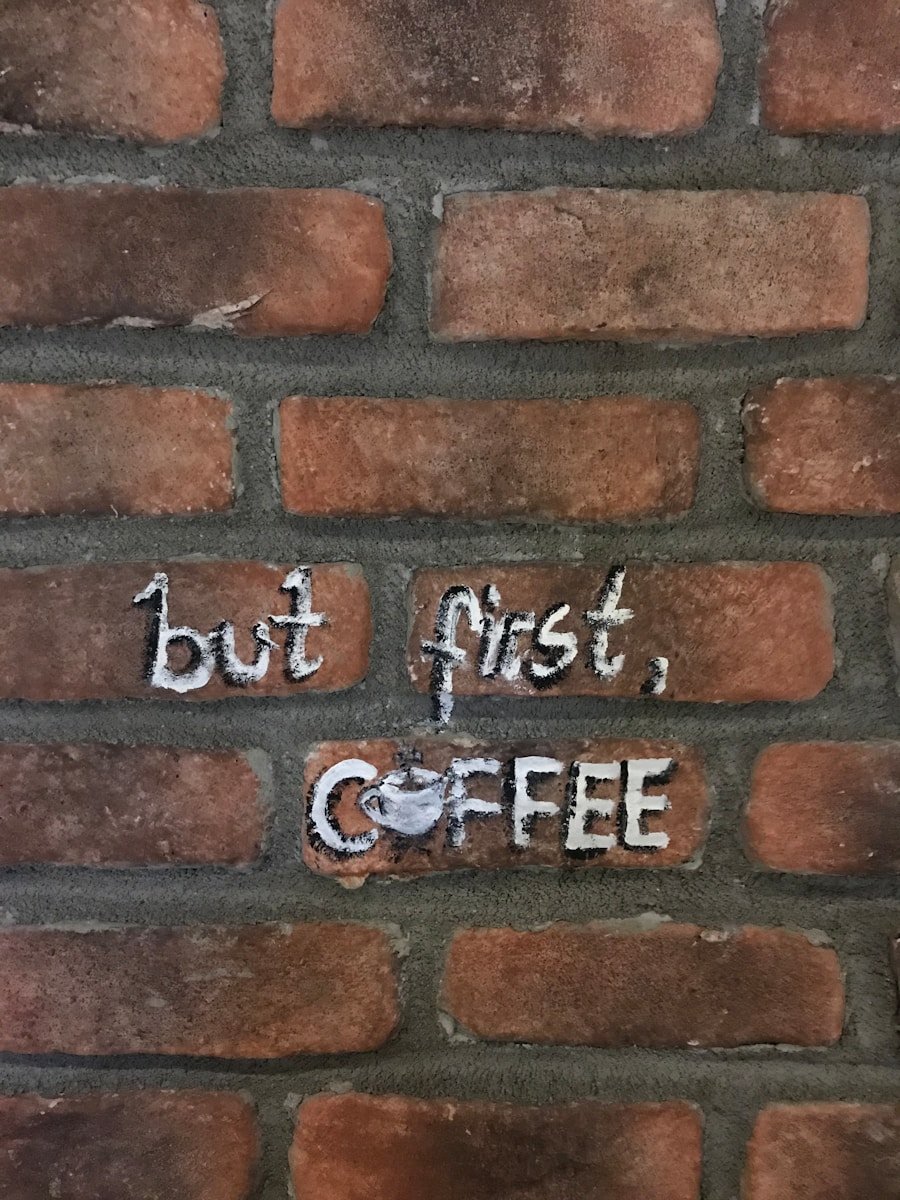
Yes, some shops really do sell only coffee
To ensure your visit to a Dutch café is both enjoyable and safe, there are several tips worth keeping in mind. First and foremost, be aware of your surroundings and respect the café’s rules—especially if you’re visiting a coffeeshop where cannabis is sold.
Familiarize yourself with local laws regarding consumption and always consume responsibly. The Dutch are open and honest. If you ask, they will tell you.
If you’re unsure about anything—whether it’s the menu or the rules—don’t hesitate to ask the staff for guidance; they’re usually more than happy to help. Additionally, consider visiting during off-peak hours if you prefer a quieter experience. Mornings and early afternoons tend to be less crowded than evenings when locals flock to unwind after work.
This can provide you with an opportunity to engage more deeply with your surroundings or even strike up conversations with fellow patrons. Lastly, don’t forget to savor your time there; whether you’re sipping coffee or enjoying a slice of cake, or your first experience with cannabis, take a moment to appreciate the ambiance and culture that surrounds you.