Amsterdam, a city renowned for its canal and bikes, is also home to a surprisingly efficient metro system. While many visitors may opt for bicycles or trams to navigate the city’s charming streets, the metro offers a fast and reliable alternative for both locals and tourists alike.
Launched in 1977, the Amsterdam Metro has evolved into a vital component of the city’s public transportation network, connecting various neighborhoods and suburbs to the bustling heart of the city.
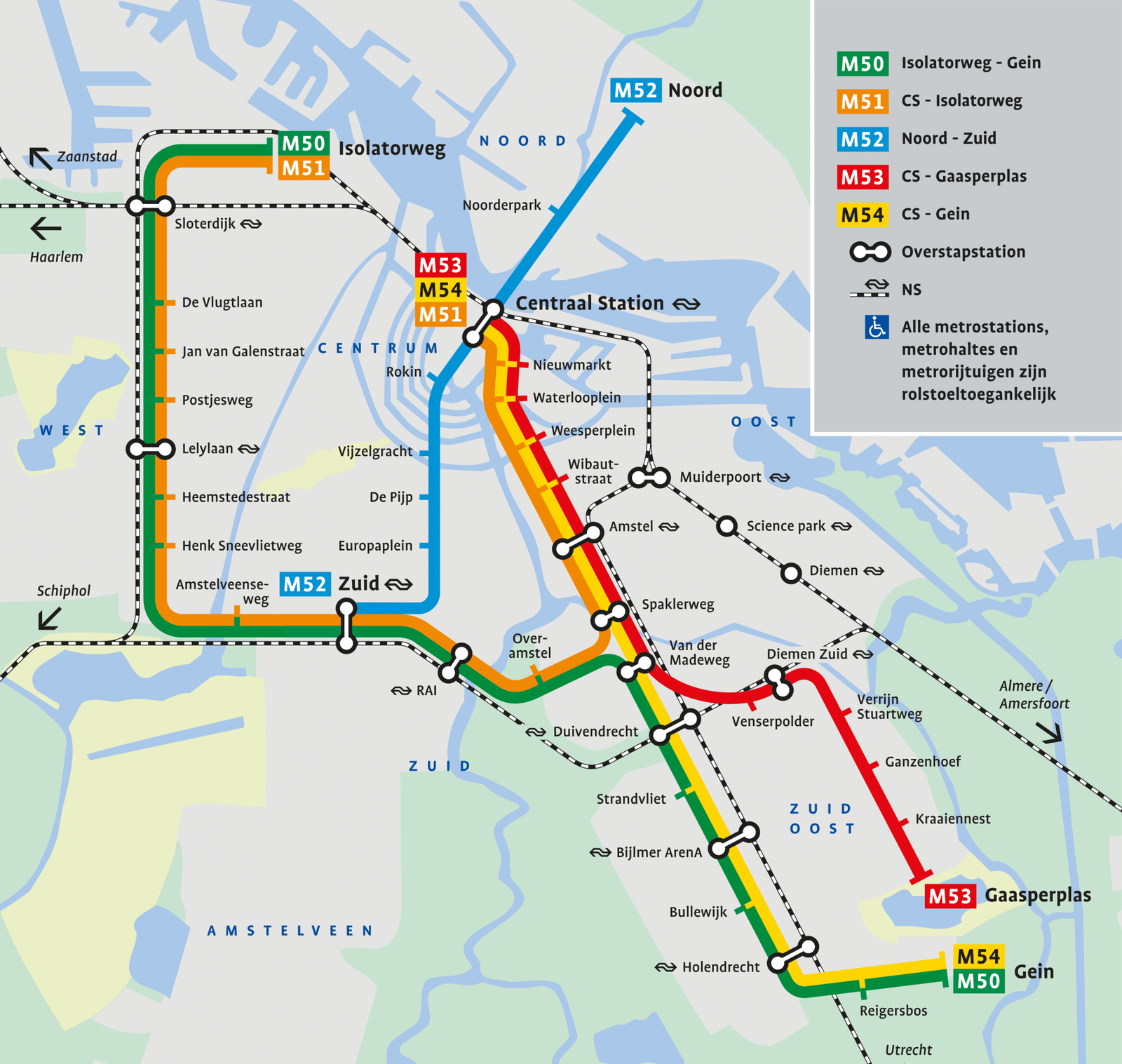
With its distinctive underground tunnels and modern trains, the metro system is not only a practical means of transport but also a fascinating glimpse into the city’s commitment to urban mobility. The metro system consists of five main lines, each identified by a color-coded number. These lines crisscross the city and extend into the surrounding areas, making it easier for commuters to reach their destinations without the hassle of traffic congestion.
Payment? Chip cards, credit cards and apps work fine. As always remember to tap in and tap out when leaving.
The metro stations themselves are often works of art (Rokin station feels like an cool gallery with music and bits of pottery, glass and human life showcased in glass as you ride the escalator), featuring unique designs and installations that reflect Amsterdam’s artistic spirit. As the city continues to grow and evolve, so too does its metro system, adapting to the needs of its residents and visitors. The expansion of the metro network has become a hot topic in recent years, as Amsterdam seeks to accommodate its increasing population and enhance connectivity across the region.
Expansion to the North
One of the most significant developments in Amsterdam’s metro history is the expansion to the northern part of the city. Historically, the northern districts were somewhat isolated from the rest of Amsterdam, accessible primarily by free ferry or lengthy detours through traffic. However, with the completion of the North-South Line in 2019 after many years of discussion and delays, this situation has dramatically changed.
This new line not only connects the bustling city center with the quieter northern neighborhoods but also serves as a catalyst for growth and development in an area that was previously overlooked. The North-South Line has transformed how residents view their city. No longer confined to just one side of the IJ River, people can now easily commute to work or explore cultural attractions on either side.
The line has opened up opportunities for businesses and residents alike, fostering a sense of community that was previously lacking. The expansion has also encouraged urban development in northern Amsterdam, with new housing projects and commercial spaces springing up around metro stations. This revitalization is not merely about transportation; it’s about creating a vibrant urban environment that attracts people from all walks of life.
New Metro Lines
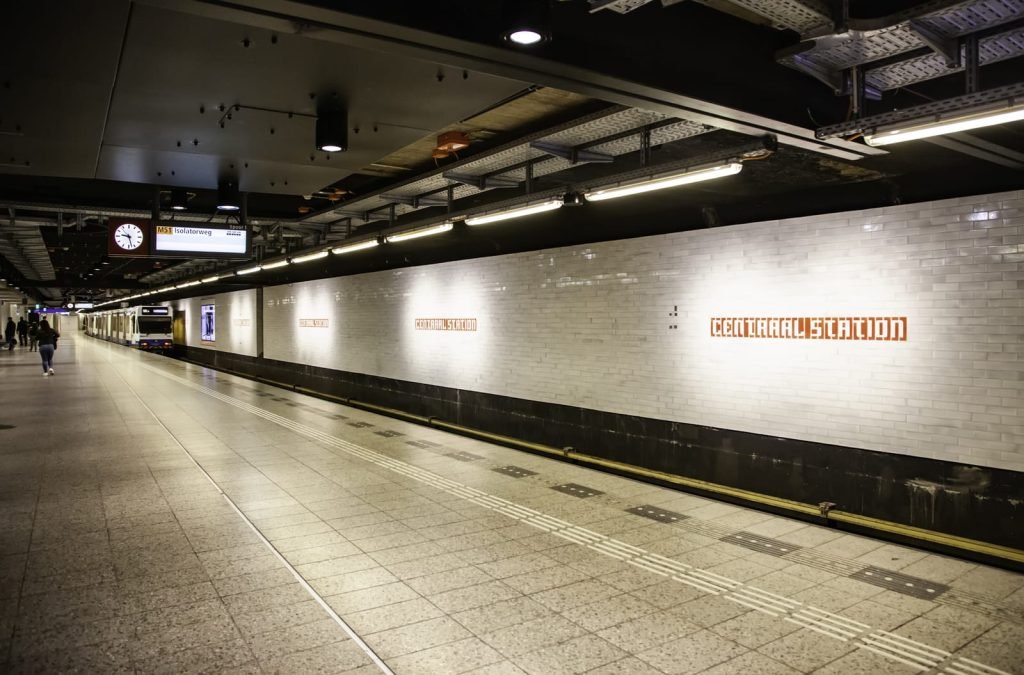
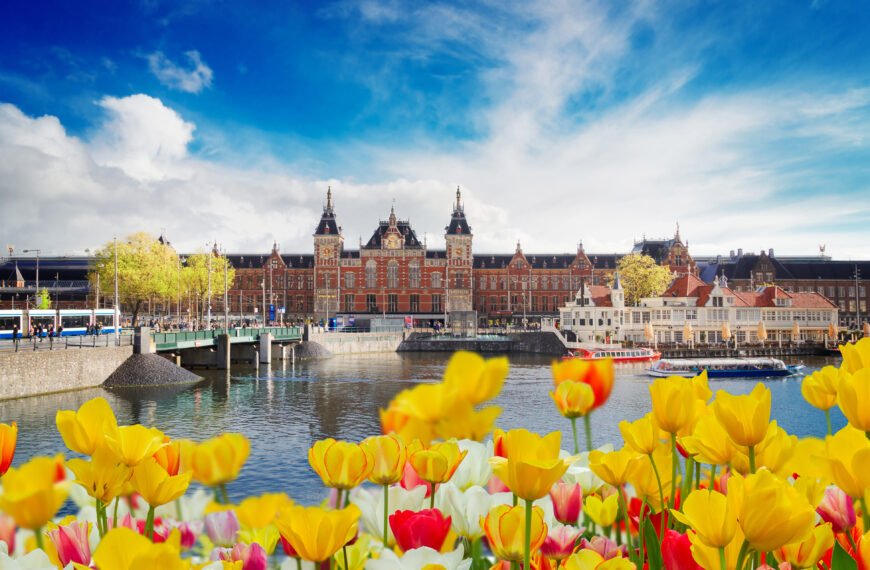
Centraal Station will still the hub of the known universe
In addition to the North-South Line, Amsterdam is actively working on several new metro lines aimed at further enhancing connectivity throughout the city. Plans are underway for additional routes that will extend into underserved areas, making it easier for residents to access essential services and employment opportunities. These new lines are designed with modern technology in mind, incorporating features such as real-time tracking and energy-efficient trains that align with Amsterdam’s commitment to sustainability.
One particularly exciting project is the proposed extension of Line 52, which will connect more neighborhoods and cities like Amstelveen to the existing network. This extension is expected to alleviate congestion on other lines and provide a more direct route for commuters traveling from the outskirts into the city center. As these new lines come to fruition, they promise to reshape how people navigate Amsterdam, making public transport an even more attractive option compared to driving or cycling.
Benefits of the Expansion
The expansion of Amsterdam’s metro system brings with it benefits that extend beyond mere convenience. For starters, improved public transportation reduces reliance on cars, which in turn helps decrease traffic congestion and lowers carbon emissions. As more people opt for the metro over personal vehicles, air quality in the city improves, contributing to a healthier urban environment.
This aligns perfectly with Amsterdam’s ambitious sustainability goals, making it a model for other cities grappling with similar challenges. Moreover, enhanced connectivity fosters economic growth. With easier access to different neighborhoods, businesses can attract a broader customer base while residents gain access to job opportunities that were previously out of reach.
The expansion also encourages tourism; visitors can explore more of what Amsterdam has to offer without worrying about navigating complicated public transport routes or parking issues. The metro system becomes not just a means of getting from point A to point B but a gateway to experiencing the city’s diverse culture and attractions.
Impact on Transportation
The impact of Amsterdam’s expanding metro system on overall transportation cannot be overstated. As new lines are introduced and existing ones are upgraded, public transport becomes increasingly efficient and user-friendly. Commuters benefit from reduced travel times and increased frequency of service, making it easier than ever to plan their journeys.
This shift encourages more people to leave their cars at home and embrace public transport as a viable option for daily commutes. Additionally, the integration of various modes of transport—such as trams, buses, and bicycles—into a cohesive network enhances accessibility across the city. The metro serves as a backbone for this system, allowing seamless transfers between different forms of transport.
This interconnectedness not only simplifies travel but also promotes a culture of public transport use among residents and visitors alike. As more people take advantage of these options, Amsterdam moves closer to achieving its goal of becoming a car-free city.
Challenges and Concerns
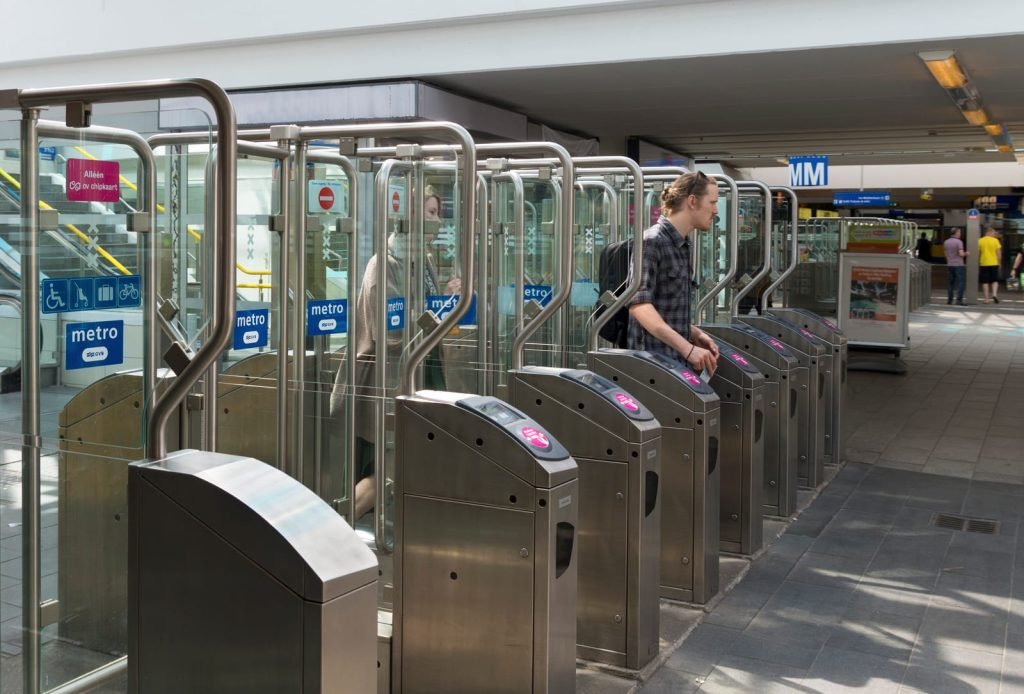
User fees alone are not enough to upgrade the existing system
Funding Challenges
One of the most significant issues is funding. Large-scale infrastructure projects require substantial financial investment, and securing these funds can be a complex process. Balancing budget constraints with the need for expansion poses a constant challenge for city planners and policymakers. Fares have increased. Don’t be surprised to see line jumpers trying to get through on your fare. Fare jumpers will push through with you to get through the gates. Tourists are particularly targeted.
The Threat of Gentrification
Another concern revolves around gentrification. The northern line has shown rapid speculation and wholesale outpricing of existing neighborhoods. As new metro lines open up previously neglected neighborhoods, property values may rise, leading to displacement of long-time residents who can no longer afford to live in their homes. While urban development can bring economic benefits, it’s crucial that it does not come at the expense of community integrity.
Navigating Complexity for Inclusive Growth
City officials must navigate these complexities carefully to ensure that growth is inclusive and equitable. It is essential to strike a balance between urban development and community preservation to create a better future for all residents.
Amsterdam’s Growing Metro System
In conclusion, Amsterdam’s growing metro system represents more than just an expansion of infrastructure; it embodies the city’s commitment to sustainability, accessibility, and community development. As new lines are introduced and existing ones are enhanced, residents and visitors alike generally benefit from improved connectivity that makes navigating this beautiful city easier than ever before. While challenges remain—such as funding and gentrification—the potential benefits far outweigh these concerns.
.