The Dutch have a long-standing romance with houseboats, a relationship that has evolved over centuries. Living on water is not merely a quirky lifestyle choice; it is deeply rooted in the culture and history of the Netherlands. Faced with a lack of housing, especially after WWII, the Dutch adapted boats into living spaces. With over 2,500 (legal) houseboats in Amsterdam alone, this floating lifestyle has become a symbol of freedom and creativity.
The charm of houseboats lies in their ability to blend urban living with the tranquility of water. Imagine waking up to the gentle lapping of waves against your hull, a scene that many dream of but few experience.
Houseboats in the Netherlands are more than just homes; they represent a unique way of life.
They offer a sense of community that is often missing in traditional housing. Neighbors are not just people living next door; they are fellow boaters who share a bond forged by the water. This connection fosters a spirit of camaraderie, where residents often help each other with maintenance or share a drink on the deck.
The rules are simple: you pay taxes like everyone else, you have an address, and you have to accept that noise and privacy, the waterways of the Netherlands are open to everyone, are part and parcel of living in and on a boat.
The Dutch love affair with houseboats is not merely about living on water; it is about embracing a lifestyle that values community, creativity, and connection to nature.
Amsterdam: The Houseboat Capital of the World
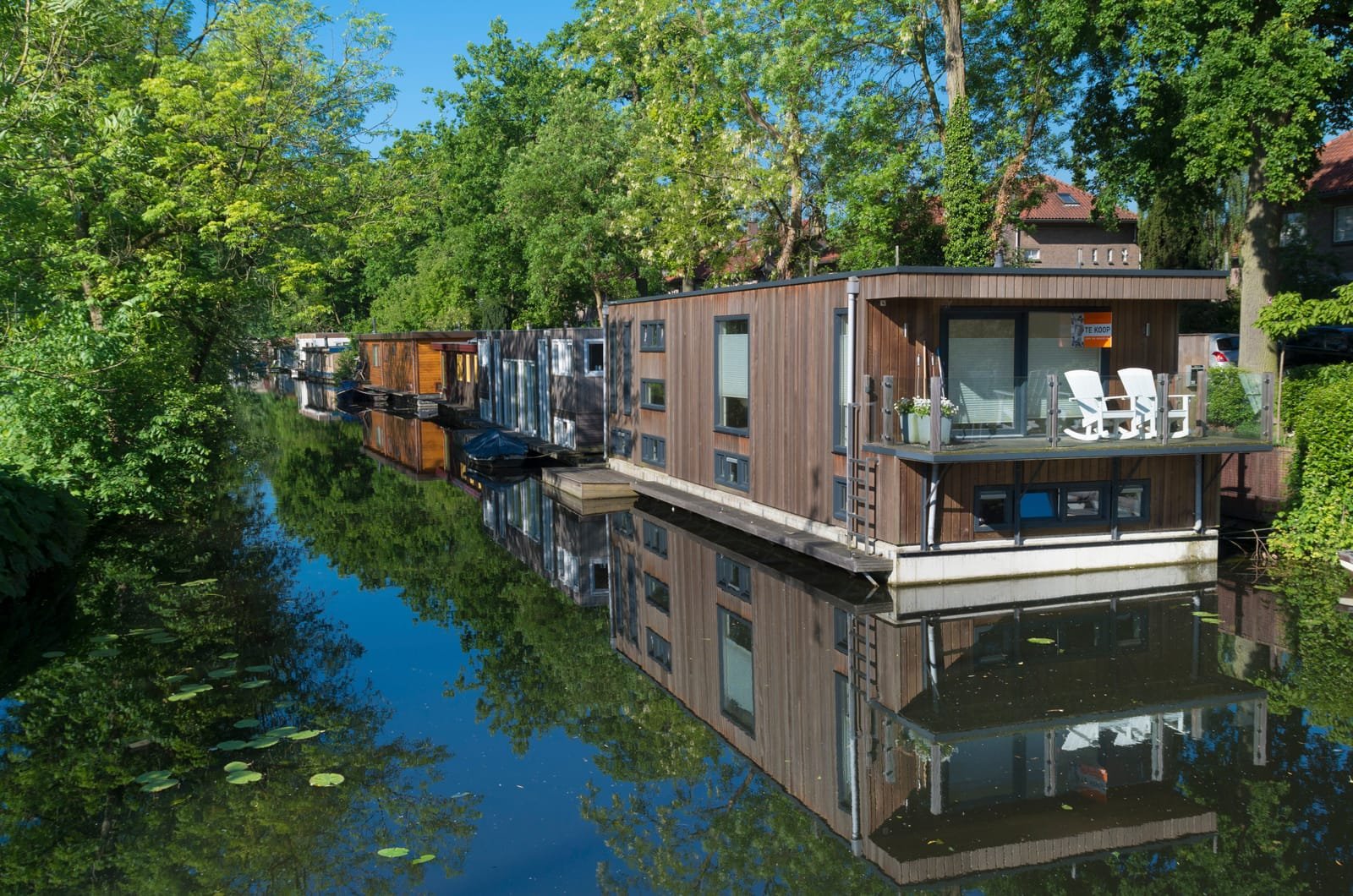
Amsterdam is often dubbed the houseboat capital of the world, and for good reason. The city boasts an impressive array of floating homes, each with its own character and charm. From sleek modern designs to quaint, traditional vessels, Amsterdam’s houseboats cater to diverse tastes and lifestyles.
The canals, which are UNESCO World Heritage sites, provide the perfect backdrop for these unique homes. Living on a houseboat in Amsterdam means being part of a vibrant urban landscape while enjoying the serenity of water. The popularity of houseboats in Amsterdam has led to a thriving market for both buyers and renters.
Many people are drawn to the idea of living on water, and this demand has resulted in innovative designs and amenities. Some houseboats come equipped with solar panels, green roofs, and even gardens, making them eco-friendly options for urban living. The city’s commitment to sustainability is evident in its approach to houseboat living, where residents can enjoy modern comforts while minimizing their environmental impact.
A Brief History of Dutch Houseboats: From Cargo Vessels to Floating Homes
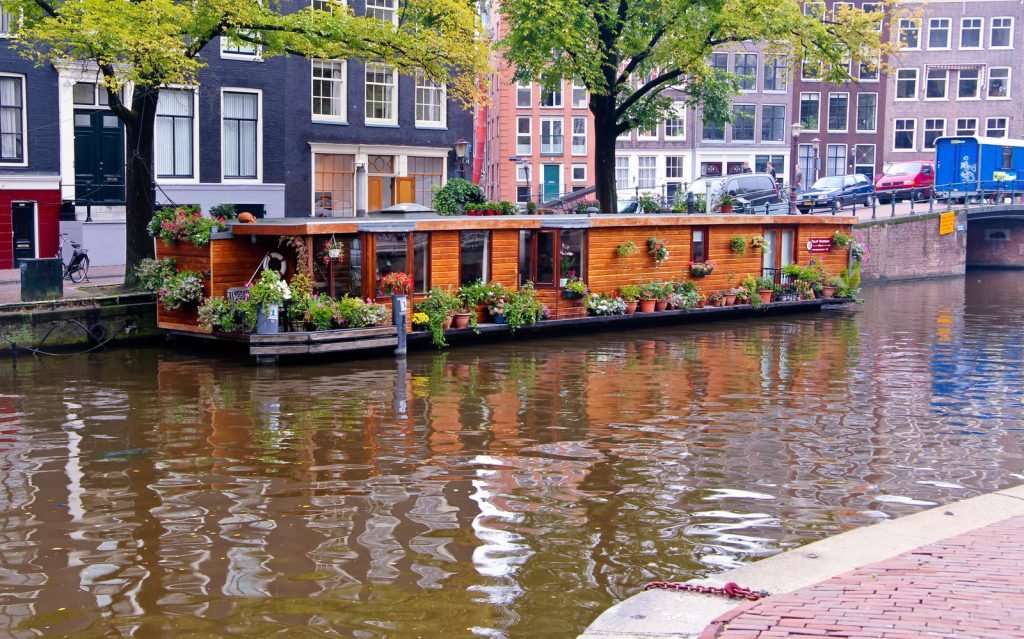
You can’t expand out, but you can expand up.
While Amsterdam is the center of boat life for the Netherlands, you’ll find houseboats in almost every part of the Netherlands. The history of Dutch houseboats is as rich as the culture itself. Originally, these vessels served as cargo ships that transported goods along the extensive canal system. As trade flourished in the 17th century, many of these boats were repurposed for residential use.
The transition from cargo vessel to floating home marked a significant shift in how people viewed life on water. It was not long before houseboats became a viable alternative to traditional housing, especially in cities where space was at a premium. WWII saw a massive influx of refugees and an equal need for housing. By the 20th century, houseboats had firmly established themselves as a legitimate housing option in the Netherlands.
The post-war housing crisis prompted many to seek alternative living arrangements, leading to an increase in houseboat construction. This period saw the rise of more permanent structures, with many boats being fitted with modern amenities. Today, houseboats are not only a practical solution to housing shortages but also a testament to Dutch ingenuity and adaptability.
The Impact of World War II on Dutch Houseboats: From Shelter to Housing Crisis
A bit more about the war. World War II had a profound impact on Dutch society, and houseboats were no exception. During the war, many people sought refuge on the water as cities faced destruction and displacement. Houseboats provided shelter for those who lost their homes or were forced to flee their neighborhoods.
This period marked a turning point for houseboat living, as it became associated with survival and resilience. After the war, the housing crisis intensified as returning soldiers and displaced families sought homes in an already crowded urban landscape. Houseboats emerged as a practical solution to this crisis.
The government recognized their potential and began to regulate their use, leading to an increase in permanent houseboat communities. This shift not only provided much-needed housing but also solidified the status of houseboats as an integral part of Dutch culture. After a massive influx of boats, local governments, especially Amsterdam, capped out the number of boats allowed to be moored on the waterways.
Modern Dutch Houseboats: Designs, Amenities, and Sustainability
Today’s Dutch houseboats are marvels of modern design and sustainability. Many feature innovative layouts that maximize space while providing all the comforts of home. Open-plan living areas, large windows for natural light, and outdoor decks for relaxation are common features.
Some houseboats even boast luxury amenities like hot tubs and gourmet kitchens, making them appealing to those who seek both comfort and style. Sustainability is at the forefront of modern houseboat design. Many residents incorporate eco-friendly practices into their lifestyles, such as using solar panels for energy or rainwater collection systems for irrigation.
The trend toward green living is not only beneficial for the environment but also enhances the quality of life for residents. Living on water encourages a closer connection to nature, prompting many to adopt more sustainable habits.
The Appeal of Living on a Dutch Houseboat: Freedom, Connection to Nature, and Community
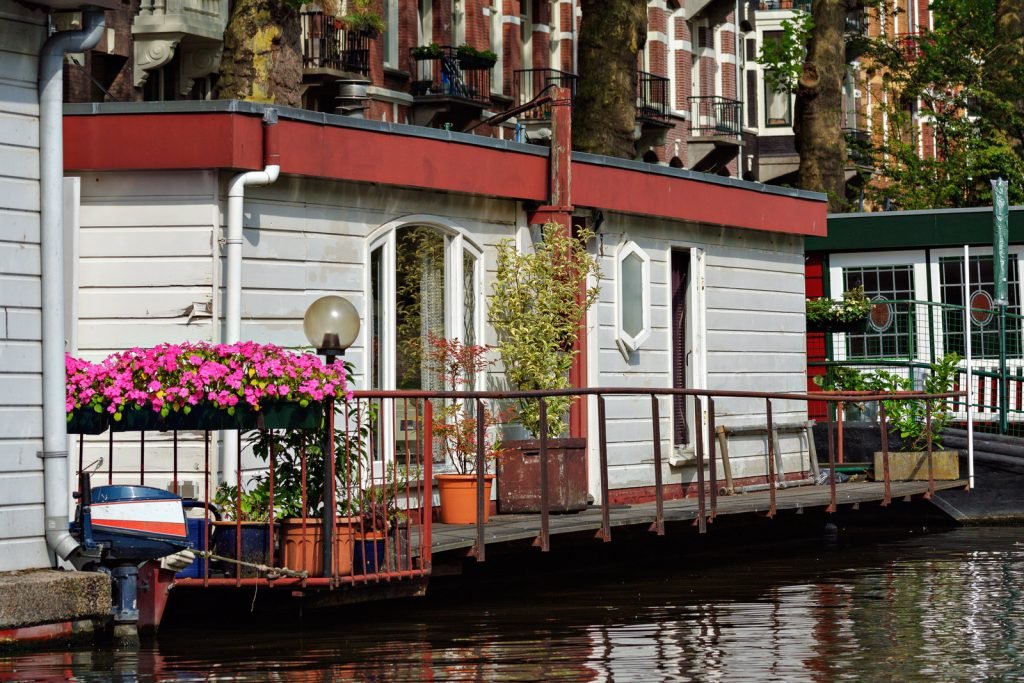
Nice view but out of reach for most.
Living on a Dutch houseboat offers a unique blend of freedom and connection to nature that is hard to replicate elsewhere. The ability to float on water provides an unparalleled sense of liberation; you can change your view simply by moving your boat or adjusting your mooring position. This flexibility appeals to those who crave adventure and spontaneity in their lives.
Moreover, houseboat living fosters a strong sense of community among residents. Neighbors often gather for social events or collaborate on maintenance projects, creating bonds that extend beyond mere proximity. This communal spirit is particularly evident during summer months when residents host barbecues or enjoy evenings on their decks together.
Living on a houseboat means being part of a close-knit community that values connection and support.
Challenges and Regulations: Navigating the Complexities of Houseboat Living in the Netherlands
While living on a houseboat may seem idyllic, it comes with its own set of challenges and regulations. One major hurdle is securing a mooring permit, which can be difficult due to limited space in popular areas like Amsterdam. Each municipality has its own rules regarding where you can dock your boat, making it essential to research local regulations before making any commitments.
Maintenance is another challenge that houseboat residents face. Unlike traditional homes, boats require regular upkeep to ensure they remain seaworthy and comfortable. This includes everything from hull inspections to plumbing repairs.
Additionally, residents must be mindful of environmental regulations that govern waste disposal and energy use on the water. Navigating these complexities requires diligence and commitment but can be rewarding for those who embrace the lifestyle.
The Future of Dutch Houseboats: Innovation, Preservation, and Cultural Significance
The future of Dutch houseboats looks promising as innovation continues to shape this unique way of life. New technologies are emerging that enhance sustainability and comfort while preserving the cultural significance of these floating homes. For instance, advancements in eco-friendly materials and energy-efficient systems are making it easier for residents to live sustainably without sacrificing quality.
Preservation efforts are also underway to maintain the historical significance of houseboats in Dutch culture. As cities evolve and urban development pressures increase, it is crucial to protect these floating communities from being displaced or forgotten. Advocacy groups are working tirelessly to ensure that houseboats remain an integral part of the urban landscape for generations to come.
In conclusion, the love affair between the Dutch and their houseboats is one that continues to thrive amidst changing times. From their historical roots as cargo vessels to modern floating homes equipped with cutting-edge amenities, houseboats represent resilience, creativity, and community spirit. As we look toward the future, it is clear that this unique tradition will endure, adapting to new challenges while remaining a cherished aspect of Dutch culture.