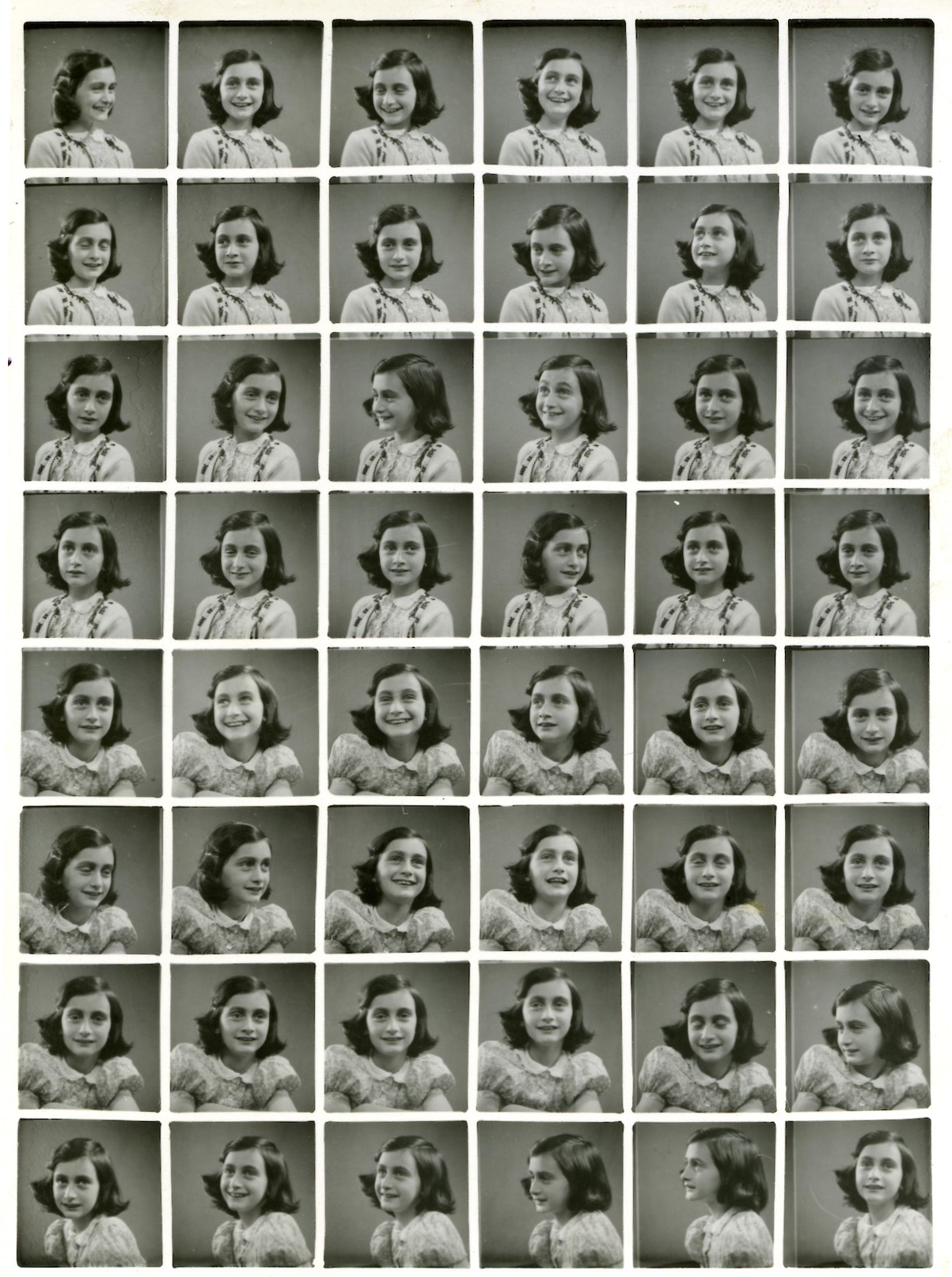
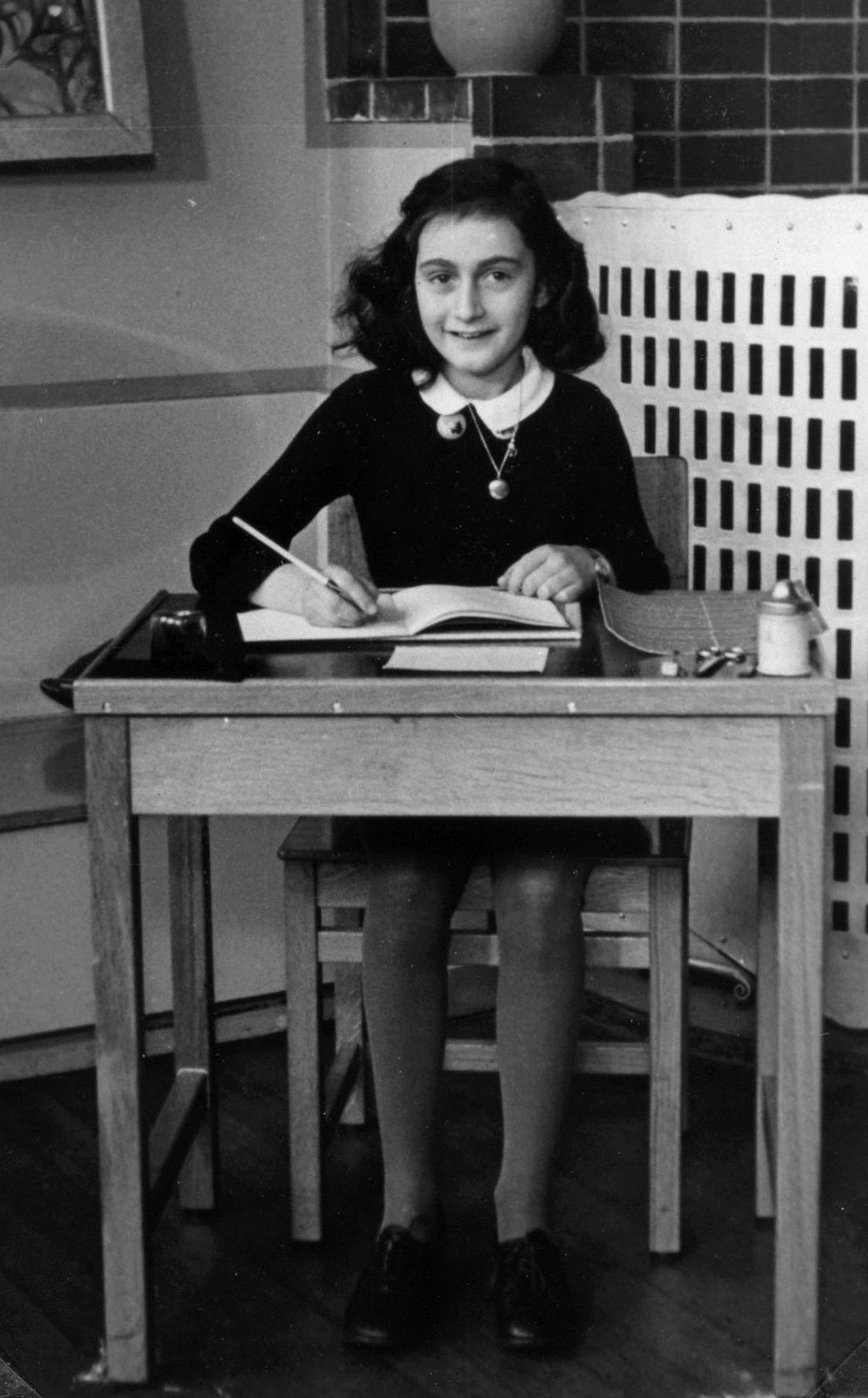
The Anne Frank House. It’s a name that carries immense weight. Visiting it feels like stepping onto hallowed ground. This isn’t a place for casual tourism, although it’s on everyone “to do” list when visiting Amsterdam. It demands your attention, your reflection. If you’re planning a trip to Amsterdam, this experience is essential. But understanding what you’re walking into is key.
Let’s get the most crucial point out of the way immediately. You cannot just show up at the Anne Frank House. This isn’t a place with sprawling grounds where you can wander in and out. The space is intimate; the experience is controlled. Booking your ticket online, well in advance, is not an option, it is a necessity.
Securing Your Ticket
The Anne Frank House only sells tickets through its official website. This is your first hurdle. Don’t look for third-party sellers; they are not affiliated and will not get you in. They have a system to manage visitor flow. You select a specific start time for your visit. This helps keep the crowds down inside the annex.
- When to Book: Be proactive. Tickets are released regularly and sell out months in advance, especially during peak tourist seasons. You need to be ready.
- Ticket Release: Keep an eye on their website for the most up-to-date information on when tickets become available. Don’t assume you can wing it.
- Limited Availability: The number of visitors allowed in at any given time is strictly limited. This is an intentional part of the experience, allowing for a more personal and contemplative visit.
Ticket Prices and Categories
The pricing is structured to be accessible, with concessions for younger visitors and those with Dutch Museum Cards.
- Adults: As of January 2026, expect to pay €16.50.
- Young Visitors (10-17 years): This age group pays €7.00.
- Children (under 10): They are admitted for €1.00.
- Dutch Museum Card Holders: Previously free, a significant discount is offered at €1.00.
The Audio Guide
Your ticket typically includes an audio guide. This is invaluable. It provides context, personal accounts, and historical details that will enrich your understanding. It’s available in nine languages, ensuring most visitors can access the full narrative.
Getting There: Navigating Amsterdam’s Streets
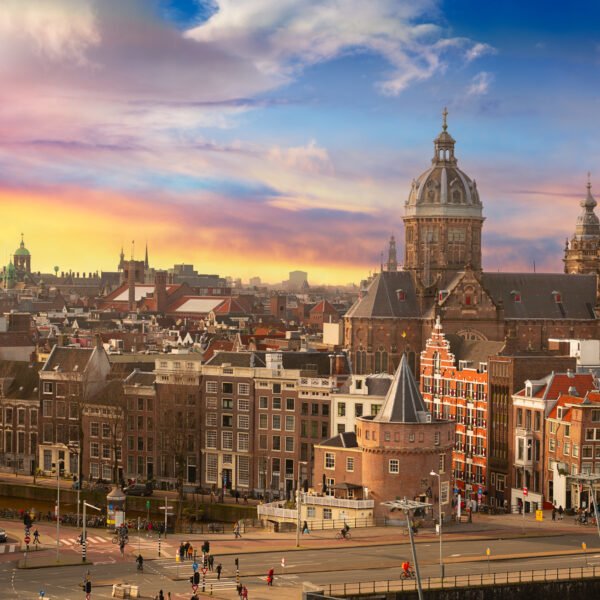
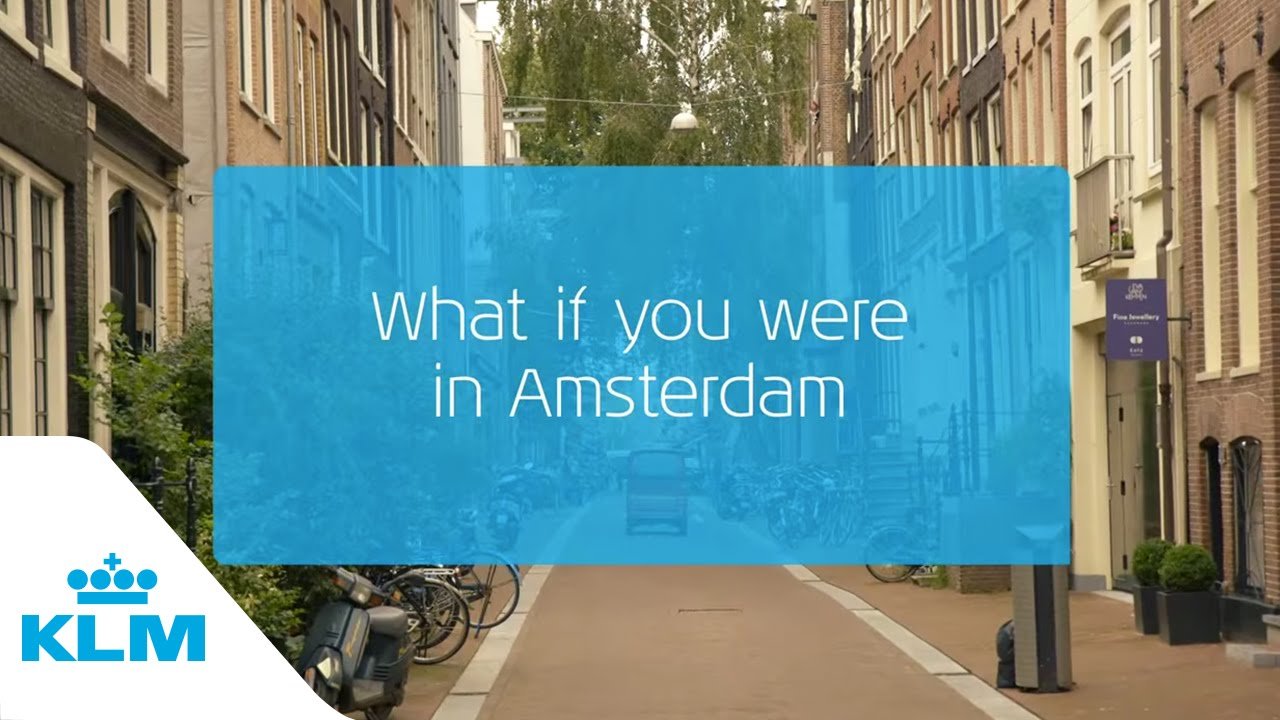
The Anne Frank House is centrally located in Amsterdam. Its address is Prinsengracht 263-267, with the entrance situated at Westermarkt 20. The area itself is charming, full of canals and historic buildings but huge crowds and people loading canal boat tours. WATCH OUT FOR THE BIKES. Everyone wants a picture in front of the structure and aimlessly walk into the bike path. Locals avoid the area but sometimes it cannot be helped.
Public Transport Options
Amsterdam has an excellent public transport system. However, getting directly to the Westermarkt can sometimes involve a brief detour.
- From Central Station: A brisk 20-minute walk will get you there. On a nice day, this is a pleasant introduction to the city.
- Trams: Trams 13, 14, and 17 stop at Westermarkt. However, be aware of infrastructure changes. For instance, from February 2025 to February 2028, tram service directly to Westermarkt is suspended. During this period, you’ll need to take a tram to Dam Square and then enjoy a 10-minute walk. Always check the latest public transport advisories before your visit.
Walking and Cycling
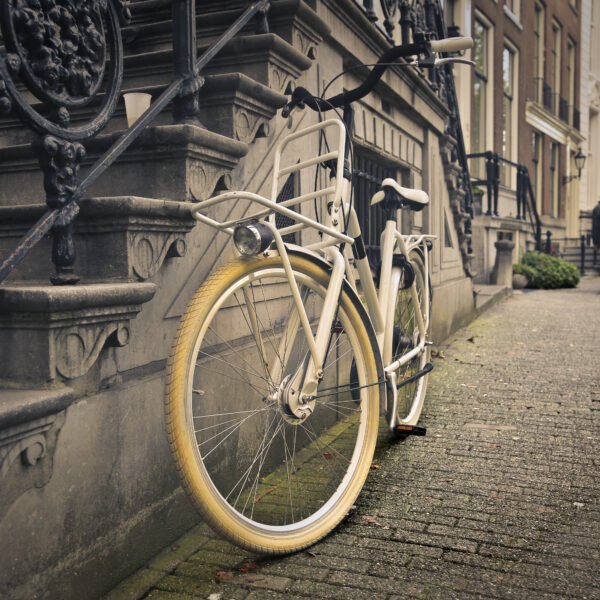
Amsterdam is a walker’s and cyclist’s paradise. If you’re staying nearby, walking is a great option. Cycling is also a quintessential Amsterdam experience, but be mindful of the busy streets and designated bike lanes, and you will probably not find a place to park the bike.
The Visit Itself: What to Expect Inside
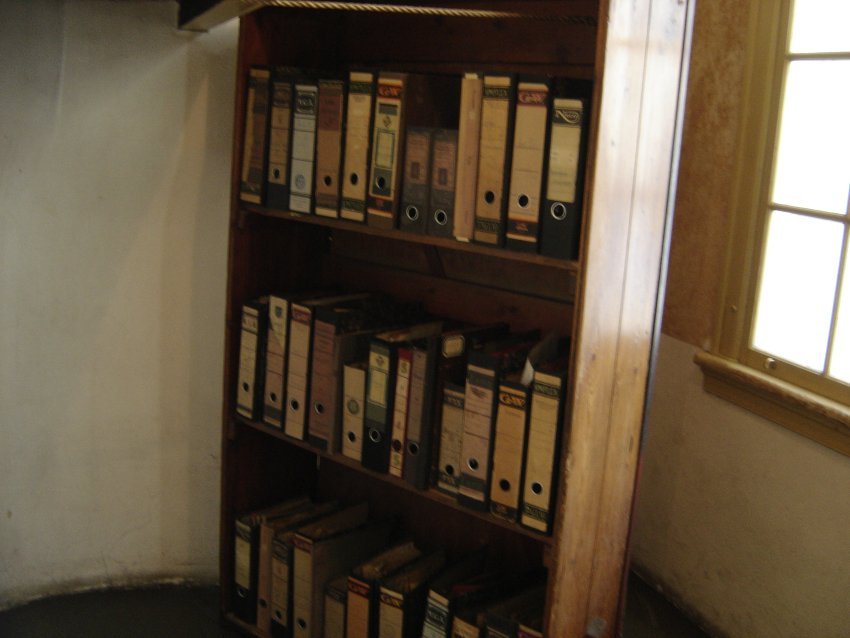
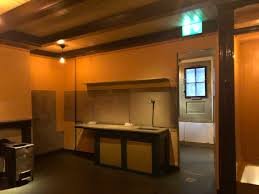
The experience at the Anne Frank House is profound. It’s not about grand halls or overwhelming exhibits. It’s about quiet contemplation and powerful human stories.
Entering the Secret Annex
The journey begins with an introduction, and often includes an optional introductory video. This helps set the scene before you step into the physical space of the annex. It is a bit eerie walking up the steps, which have now seen tens of thousands of visitors. You will enter a sort of shuffle-like speed along the outer walls as you tour the lower office rooms. Then, you enter the Secret Annex through the famous hidden bookcase. You used to be able to take a picture, but now you cannot. Yes, you want to take a picture, but remember there are a thousand people behind you who want to do the same thing. This is the moment where the abstract becomes tangible.
Preserved Rooms and Original Artifacts.
What you will see are the actual rooms where Anne Frank and her family, along with others, hid for over two years.
- Anne’s Bedroom: This room is kept as it was, with her personal touches, including the famous collages of movie stars and her own writings on the walls. Seeing these personal items makes Anne feel incredibly present.
- The Diary: You will see original writings from Anne’s diary. This is perhaps the most potent artifact, a direct link to her thoughts, fears, and hopes during a time of unimaginable darkness.
- Layout: The layout of the annex is laid bare. You see the cramped living spaces, the small hiding rooms. It’s a stark reminder of the constant fear and confinement.
- There are some closed rooms, including, disappointingly, the attic, but it helps to understands it’s remarkable the structure can accommodate so many visitors and still function.
The Immersive Experience
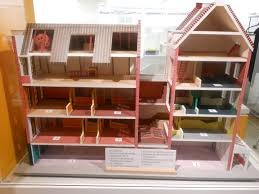
Anne Frank House diorama
The audio guide is your narrator. It tells the story of the hiding period, bringing the silence of the rooms to life with voices and historical context. It’s a carefully curated experience designed to educate and evoke empathy, and the end film is worth the time. It sum up, “What would I do?” if you had been there in a thoughtful and provocative way.
Photography Policy
To preserve the atmosphere and respect the sanctity of the space, photography is strictly prohibited inside the Anne Frank House. This is a rule you must adhere to. It encourages you to be present and absorb the experience through your senses, rather than through a lens.
Beyond the Annex: Facilities and Additional Information
While the annex is the heart of the visit, the extended museum offers other aspects to enhance your experience and accommodate visitors.
Accessibility
The Anne Frank House has made efforts to be accessible.
- Disability Facilities: They provide facilities for visitors with disabilities. It is advisable to check their website for specific details and to contact them directly if you have particular needs.
- Mobility: While the original annex has steep stairs, there are alternative routes and provisions for those with mobility issues.
Museum Shop and Café
After your visit, you can explore the museum shop. Here, you can find books by Anne Frank, books about her life and the history of the period, and other related items. There is also a museum café where you can sit and reflect on what you have experienced.
Duration of Visit
On average, a visit to the Anne Frank House takes about 60 to 75 minutes. This includes time for the audio guide and quiet contemplation within the preserved spaces. During busy times, it can be slower. Some visitors opt for the additional 30-minute introductory video, which can extend the visit.
Why You Should Visit: More Than Just History
Visiting the Anne Frank House is not like visiting any other museum. It’s an encounter with humanity at its most vulnerable and resilient.
A Personal Connection
While the historical facts are essential, the personal stories are what truly resonate. You see the drawings on the wall, most cannot believe the paper cutouts and the personal effects like wall growth charts, are still there. You imagine the fear, the hope, the mundane routines of daily life under impossible circumstances. It’s this human element that makes the experience so unforgettable.
It’s a place that will stay with you long after you leave Amsterdam. Plan your visit, be prepared for an emotional journey, and allow yourself to be moved. You will be.