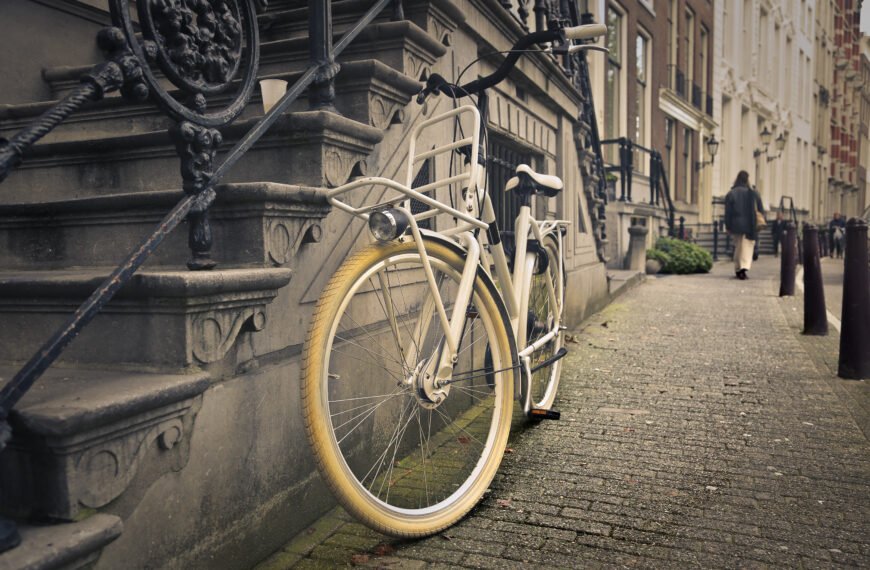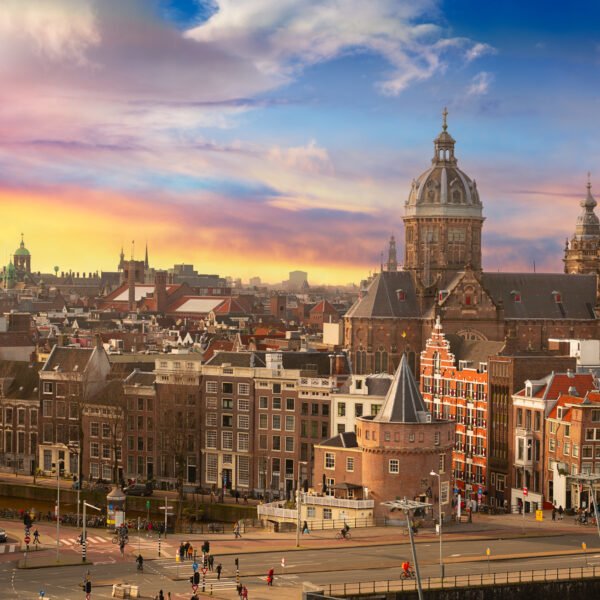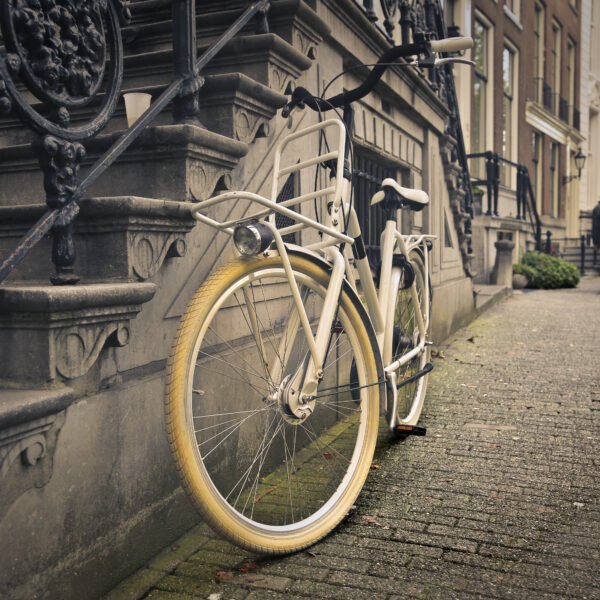
The Netherlands—a land of tulips, windmills, and a love affair with bicycles that would make even the most romantic of hearts swoon. Picture this: a relatively flat landscape stretching as far as the eye can see, all connected by an intricate web of cycling paths. It’s no wonder that the Dutch have embraced cycling as not only as a mode of transportation, but also a way of life.
In fact, if you were to ask a local about their favorite pastime, you might just hear “fietsen” (that’s Dutch for cycling) before anything else. This infatuation with two wheels is deeply ingrained in Dutch culture. From the moment they can walk, children are introduced to the joys of cycling, and by the time they hit their teenage years, they’re practically pros.
It’s not about getting from point A to point B; it’s about the freedom of the open road, the wind in your hair, and the thrill of navigating through bustling city streets or serene countryside. Seriously, if you walk through the Netherlands, people are never happier than when they’re on a bike. The Dutch have turned cycling into an art form, and it’s a love story that shows no signs of fading.
Cycling Culture in the Netherlands
The cycling culture in the Netherlands is as vibrant as a field of blooming tulips. It’s not just a means of transportation; it’s a social activity, a family affair, and a community bonding experience all rolled into one. You’ll find people of all ages pedaling away—students zipping to class, parents transporting their kids in cargo bikes, and retirees leisurely enjoying the scenery.
It’s a beautiful tapestry of life on two wheels, where everyone is welcome to join the ride. Cycling events are a staple in Dutch society, from local races to grand tours that attract international attention. The annual Tour de France has seen its fair share of Dutch cyclists making waves, but it’s not only about competition; it’s about camaraderie.
Cycling clubs are abundant, and weekend rides -many people have a “normal” bike that will most likely be stolen sooner or later and a weekend bike that is usually much more expensive- often turn into social gatherings where friends catch up over coffee and pastries at a charming café. In the Netherlands, cycling isn’t an activity; it’s a lifestyle that fosters connections and creates lasting memories.
Why Bicycles are the Preferred Mode of Transportation in the Netherlands
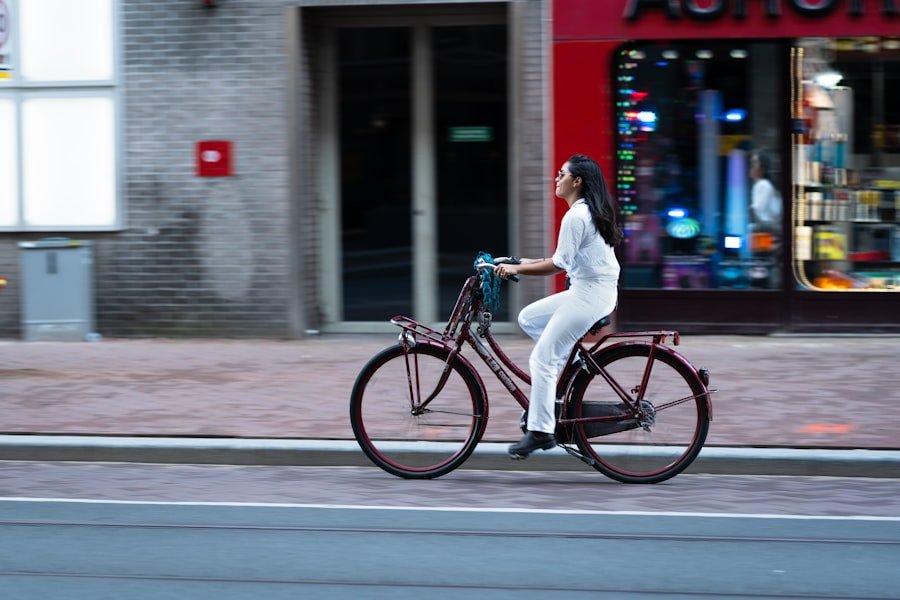
When it comes to getting around, bicycles reign supreme in the Netherlands. With an extensive network of bike paths and a flat terrain that makes pedaling a breeze, it’s no wonder that nearly 27% of all trips in the country are made by bike. Why sit in traffic or squeeze onto a crowded train when you can glide through the streets on your trusty steed?
The convenience factor is off the charts. But it’s not only about practicality; it’s also about sustainability. The Dutch have long recognized the environmental impact of their transportation choices, and cycling is a green alternative that helps reduce carbon emissions.
In a world grappling with climate change, the Netherlands stands as a example of how embracing bicycles can lead to cleaner air and healthier communities.
The Dutch Cycling Infrastructure
If you think cycling is just about hopping on a bike and pedaling away, think again! The Dutch have taken cycling infrastructure to a whole new level. With over 35,000 kilometers of dedicated bike paths crisscrossing the country, cyclists can navigate urban jungles and rural landscapes with ease.
These paths are designed with safety and convenience in mind, featuring separate lanes for cyclists and pedestrians, well-marked crossings, and even traffic signals specifically for bikes. But wait, there’s more! The Dutch have also mastered the art of bike parking.
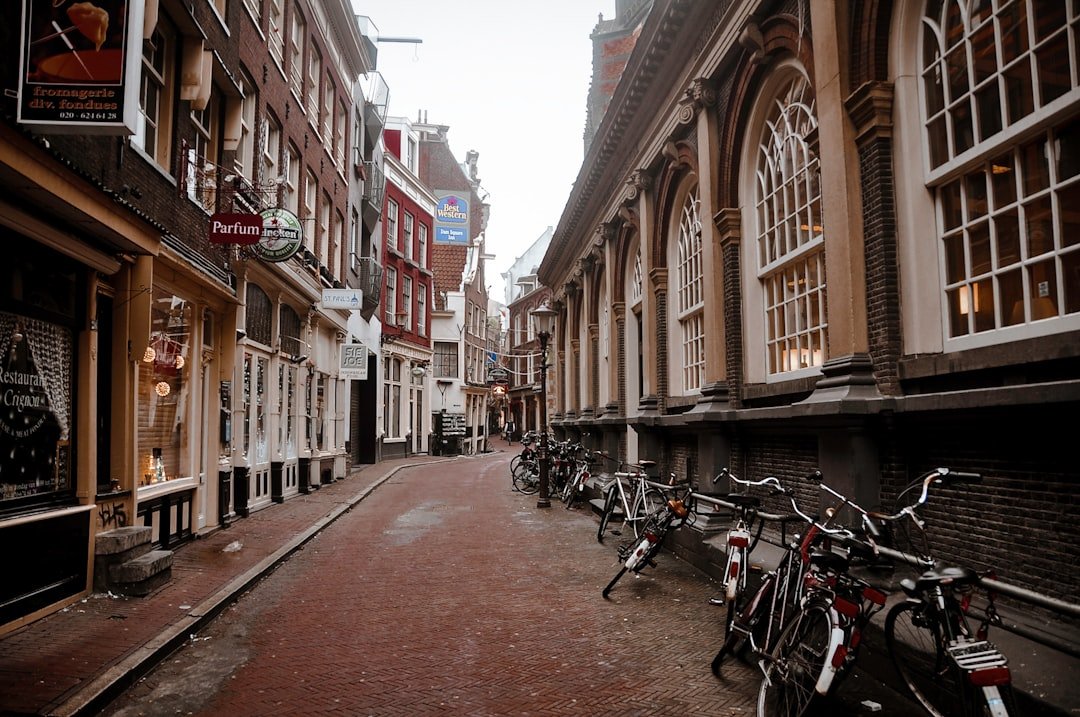
In cities like Amsterdam, you’ll find multi-story bike parking garages that can accommodate thousands of bicycles at once. It’s like a bike utopia where your trusty steed can rest easy while you explore the city on foot. And let’s not forget about bike-sharing programs that make it even easier for tourists and locals alike to hop on a bike without the hassle of ownership.
The infrastructure is so well thought-out that it feels like cycling was always meant to be this way.
The Health and Environmental Benefits of Bicycling in the Netherlands
Cycling isn’t only good for your soul; it’s also fantastic for your health. In a country where biking is as common as breathing, the health benefits are hard to ignore. Regular cycling helps improve cardiovascular fitness, strengthens muscles, and boosts mental well-being.
It’s like hitting the gym without even stepping foot inside one. Plus, with all those calories burned while pedaling away, you can indulge guilt-free in some delicious Dutch treats—stroopwafels anyone? On top of personal health benefits, cycling contributes significantly to environmental sustainability.
The reduction in traffic congestion leads to lower air pollution levels, making cities cleaner and more pleasant places to live. The Dutch have embraced this green revolution wholeheartedly; they understand that every pedal stroke counts toward creating a healthier planet for future generations.
How Dutch Children Learn to Ride Bicycles at a Young Age
In the Netherlands, learning to ride a bicycle is practically a rite of passage for children. Forget about training wheels; Dutch kids are thrown into the deep end—figuratively speaking, of course! From an early age, children are encouraged to hop on their bikes and explore their surroundings under the watchful eyes of their parents. Don’t be shocked if you you young children out on their own en route to school.
It’s not uncommon to see toddlers zooming around on balance bikes, mastering their balance before they even think about pedaling. Schools also play a crucial role in teaching children how to navigate the roads safely. Cycling proficiency courses are offered to ensure that kids understand traffic rules and develop essential skills for riding confidently in various environments.
By the time they reach adolescence, these young cyclists are well-equipped to handle everything from busy city streets to serene countryside paths. It’s no wonder that cycling becomes second nature for them—it’s woven into the fabric of their upbringing.
The Dutch Cycling Etiquette and Rules of the Road
Now that we’ve established that cycling is practically an Olympic sport in the Netherlands, let’s talk about etiquette—because even on two wheels, manners matter. The Dutch take their cycling seriously, and there are unwritten rules that every cyclist is expected to follow. For starters, signaling turns is non-negotiable, but sometimes even the best of intentions are forgotten; if you’re planning to veer left or right, you better let your fellow cyclists know what you’re up to.
Then there’s the issue of speed: while it may be tempting to channel your inner Tour de France champion, remember that not everyone is racing toward victory. Slower cyclists should stick to the right side of the path to allow faster riders to pass with ease. And let’s not forget about pedestrians—give them space and respect their right of way. However, you’ll see motorbikes and tiny moped cars use the lanes.
In essence, cycling in the Netherlands is all about harmony on two wheels; it’s a dance where everyone knows their steps.
Why Dutch Cyclists Rarely Fall Off Their Bikes
You might be wondering how it is that Dutch cyclists seem to glide effortlessly through life without taking a tumble every five minutes. It all comes down to practice and preparation. With such an ingrained cycling culture, most people start riding at an incredibly young age and continue throughout their lives.
This means they develop exceptional balance and coordination skills that would make even tightrope walkers envious. You’ll see all type of deliveries (even beds) on wheels. Moreover, the design of bicycles in the Netherlands plays a significant role in preventing falls. Many Dutch bikes are built with stability in mind—think wider tires and lower centers of gravity—making them less likely to tip over compared to those flashy racing bikes we see elsewhere.
Add in well-maintained bike paths free from potholes and obstacles (thank you very much), and you’ve got yourself a recipe for success. So while other countries may struggle with cyclist accidents, in the Netherlands, it seems like falling off your bike is more of an urban legend than reality. In conclusion, the Dutch love affair with bicycles is more than just a trend; it’s a way of life that has shaped their culture for generations.
Last but not least: Watch out CONSTANTLY for the bikes. They have the right of way over pedestrians and cars. They will run you down. This comes as a shock to many but it’s the Dutch way of life. Anyone crossing the bike path to Amsterdam Centraal from the ferries will tell you to have your wits about you when you cross. Nearly all of us have had to jump out of the way at one time or another.