
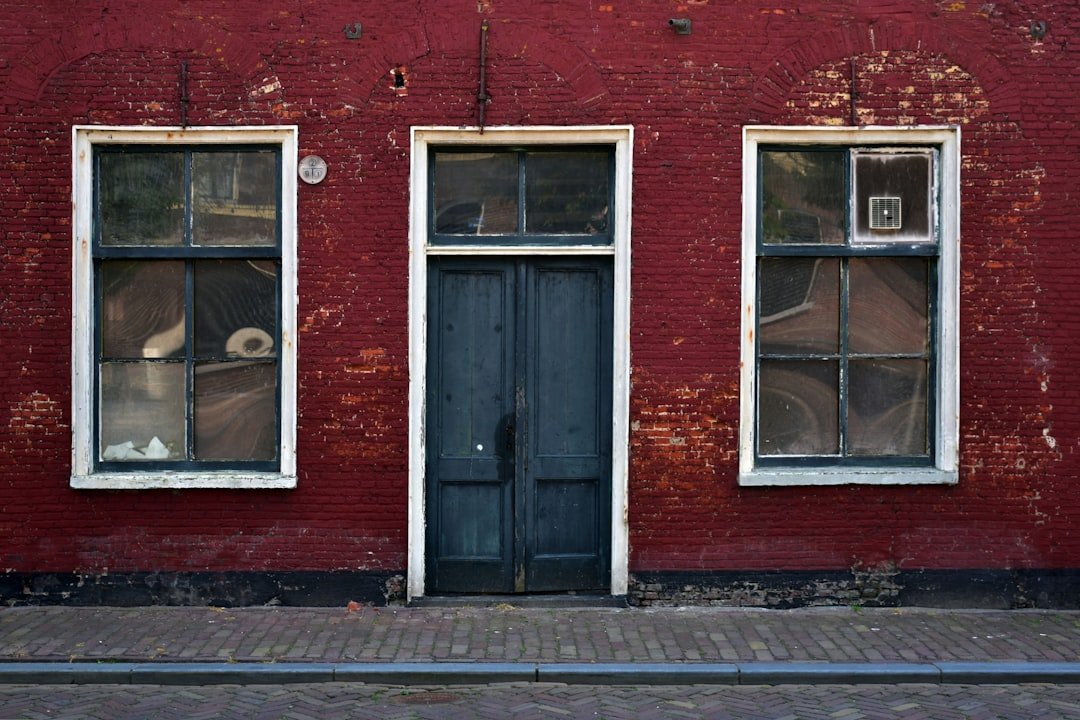
Dutch weather—where the forecast is as reliable as a cat trying to get off a hot tin roof. One moment, you’re basking in the sun, and the next, you’re dodging raindrops like they’re ninja stars. The Netherlands is notorious for its capricious climate, where the only thing you can count on is that you can’t count on anything.
With its temperamental skies, the Dutch have learned to embrace the unpredictability, often joking that if you don’t like the weather, just wait five minutes. This whimsical weather dance is largely due to the country’s geographical location. Nestled between the North Sea and the continental mainland, the Netherlands is a prime target for all sorts of meteorological mischief.
The result? A delightful cocktail of sunshine, rain, wind, and sometimes even snow—all in a single day. This ever-changing climate keeps both locals and tourists on their toes, making it a unique experience to explore the Dutch landscape.
If you’re planning a trip to this charming country, prepare for a weather rollercoaster that will keep you guessing and laughing.
Key Takeaways
- Dutch weather is unpredictable and can change rapidly
- The North Sea has a significant influence on the climate of the Netherlands
- Dutch people have adapted to rapidly changing weather conditions
- Dutch weather has a significant impact on agriculture and tourism
- Wind and rain play a crucial role in Dutch weather patterns
The Influence of the North Sea on Netherlands’ Climate
The North Sea is like that unpredictable friend who shows up uninvited but somehow makes every gathering more interesting. Its influence on the Netherlands’ climate is profound, acting as both a blessing and a curse. The sea moderates temperatures, ensuring that winters are milder and summers are cooler than in many other parts of Europe.
However, it also brings with it a fair share of storms and unpredictable weather patterns that can turn a sunny day into a tempestuous affair in no time. The proximity to the North Sea means that the Dutch experience a maritime climate characterized by high humidity and frequent precipitation. This results in a landscape that is lush and green but also prone to sudden downpours.
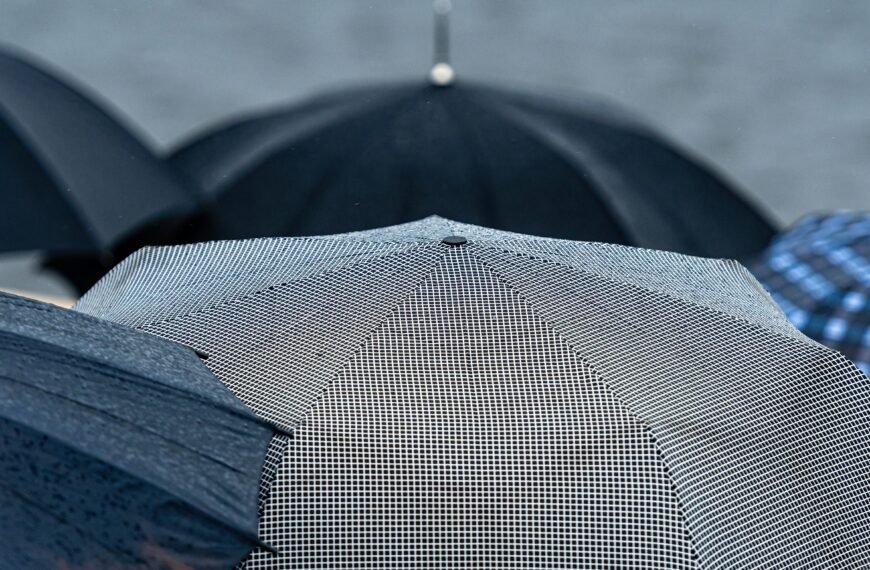
The sea breeze can be refreshing one moment and bone-chilling the next, making it essential for residents to keep an eye on the sky and an umbrella at hand. So, while the North Sea may provide some temperate relief from extreme weather, it also ensures that the Dutch remain ever-vigilant against its whims.
How the Dutch Adapt to Rapidly Changing Weather Conditions
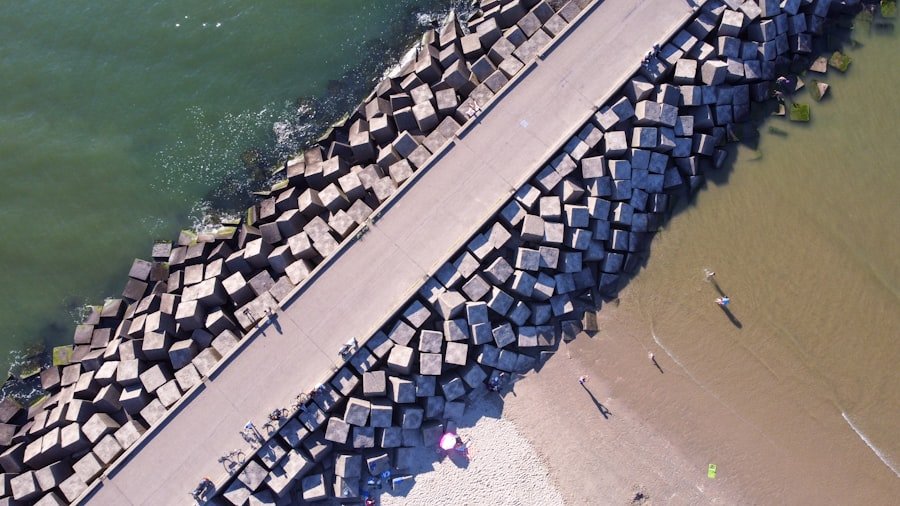
If there’s one thing the Dutch have mastered, it’s the art of adaptation. Living in a country where the weather can change faster than you can say “stroopwafel” has led to some ingenious coping mechanisms. For starters, you’ll notice that locals usually never carry umbrellas—these are a sign that you’re a tourist.
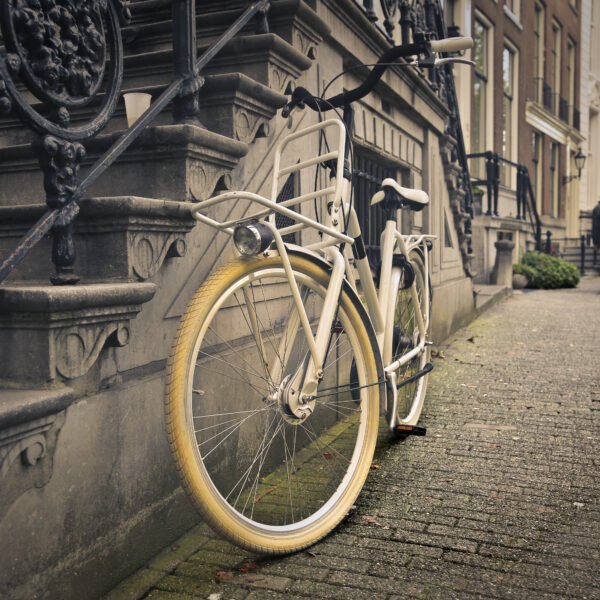
The Dutch have also perfected the art of layering. You’ll often see them sporting multiple layers of clothing that can be easily added or removed as needed. And don’t be surprised to see a family on a bike covered with a plastic tarp. The Dutch get on with it.
This way, they can transition from a chilly morning to a warm afternoon without breaking a sweat—or freezing their behinds off. Additionally, outdoor events are planned with an eye on the sky, and contingency plans are always in place. Festivals might have tents ready for rain or even indoor options if Mother Nature decides to throw a tantrum.
In short, when it comes to dealing with unpredictable weather, the Dutch are like seasoned pros who know how to roll with the punches.
The Impact of Dutch Weather on Agriculture and Tourism
Dutch weather isn’t just a quirky topic of conversation; it has real implications for agriculture and tourism in the country. The fertile soil and temperate climate make the Netherlands one of the world’s leading agricultural producers, particularly known for its tulips, cheese, and vegetables. However, this success comes with its own set of challenges.
Unpredictable rainfall can lead to either droughts or floods, both of which can wreak havoc on crops. Farmers have had to become adept at using technology and innovative practices to mitigate these risks and ensure a bountiful harvest. On the tourism front, Dutch weather can be both a blessing and a curse.
While sunny days draw tourists to explore picturesque canals and vibrant tulip fields, rainy days can send them scurrying for cover in museums or cozy cafes. However, savvy tourists know that every cloud has a silver lining—literally. Rainy days often mean fewer crowds at popular attractions, allowing for a more intimate experience with the culture and history of this beautiful country.
Plus, who doesn’t love a good cup of hot chocolate while watching raindrops dance on window panes? In essence, while Dutch weather may pose challenges for agriculture and tourism alike, it also adds an element of charm and unpredictability that keeps life interesting.
Understanding the Role of Wind and Rain in Dutch Weather Patterns
Wind and rain are like the dynamic duo of Dutch weather—always together and always ready to make their presence known. The Netherlands is famous for its windmills, but what many don’t realize is that those iconic structures were built to harness the very winds that sweep across the flat landscape. The prevailing winds from the North Sea play a significant role in shaping local weather patterns, bringing moisture-laden air that often results in rain showers.
Rainfall in the Netherlands is typically spread throughout the year, but it tends to be more frequent during autumn and winter months. This constant drizzle contributes to the lush greenery that characterizes much of the countryside. However, it also means that residents must be prepared for wet conditions at any time—but no one really carries an umbrella.
The interplay between wind and rain creates a unique atmosphere that defines life in this charming country. It’s not uncommon for locals to joke about how they can experience all four seasons in one day—thanks to their ever-present companions: wind and rain.
The Unique Beauty of Dutch Landscapes in Different Weather Conditions
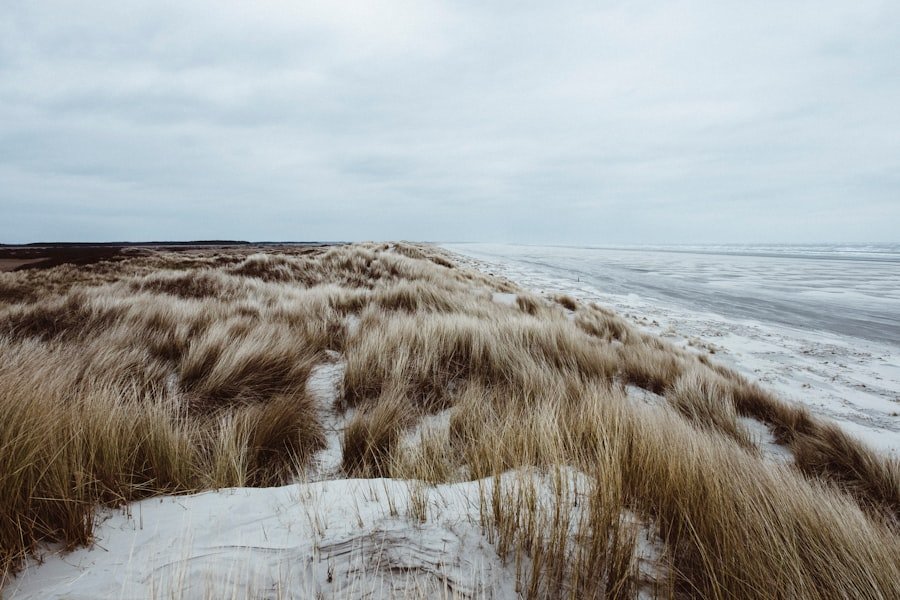
Sunny Days and Vibrant Colors
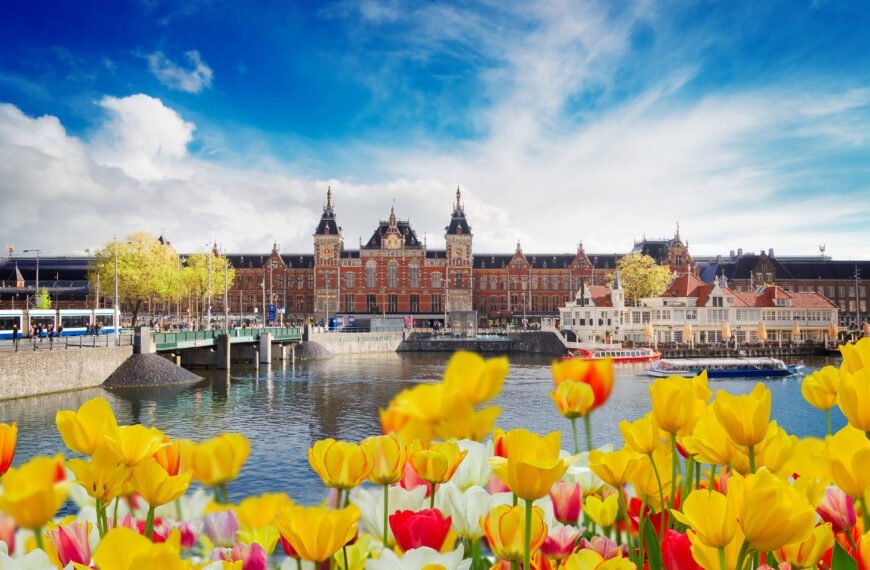
On sunny days, the fields of tulips burst into vibrant colors, creating a stunning patchwork quilt of blooms that stretches as far as the eye can see. The iconic windmills stand tall against clear blue skies, offering breathtaking views that make even seasoned travelers stop in their tracks.
Rainy Days and Moody Skies
When rain clouds roll in, a different kind of magic unfolds. The soft patter of raindrops on cobblestones creates an atmosphere of tranquility as mist rises from lush green fields. The canals reflect moody skies, transforming into shimmering mirrors that capture fleeting moments of beauty.
Winter Wonderland
Even winter brings its own charm to the Dutch landscapes. Snow-dusted landscapes create a serene wonderland where time seems to stand still. Whether drenched in sunlight or cloaked in mist, Dutch landscapes offer an ever-changing canvas that captivates all who visit. It happens less frequently but the canals do freeze up sometimes.
Tips for Dressing and Packing for Dutch Weather
First things first: layers are your best friend. Think t-shirts under sweaters under waterproof jackets—this way, you can peel off layers as needed without looking like you’re auditioning for a role in “The Great Outdoors.” Next up: footwear. Leave those dainty sandals at home; instead, opt for sturdy shoes that can handle both wet pavements and cobblestone streets.
Waterproof boots are ideal for those unexpected downpours—because let’s face it: if you’re going to explore Amsterdam’s canals or cycle through tulip fields, you want your feet to stay dry. And don’t forget accessories; a scarf can add that European flair while keeping you warm when those chilly winds decide to make an appearance.
Climate Change and its Effects on Dutch Weather Patterns
As if navigating unpredictable weather wasn’t enough of a challenge, climate change is throwing another curveball into the mix. The Netherlands is particularly vulnerable due to its low-lying geography; rising sea levels pose significant risks to coastal areas while changing precipitation patterns threaten agriculture and water management systems. The once predictable rhythms of seasons are becoming increasingly erratic—think warmer winters followed by intense summer storms that leave everyone scratching their heads.
The Dutch government is taking proactive measures to combat these changes, and has been for hundreds of years (the water management office is the oldest government organization still in place) by investing in innovative solutions such as sustainable agriculture practices and advanced water management systems. However, it’s not just up to policymakers; individuals are also stepping up by adopting eco-friendly habits and supporting local initiatives aimed at preserving their beloved landscapes. As climate change continues to reshape Dutch weather patterns, one thing remains clear: adaptability is key—and if anyone knows how to adapt, it’s the resilient people of the Netherlands.
In conclusion, navigating Dutch weather is like embarking on an adventure filled with surprises at every turn. From its unpredictable nature influenced by the North Sea to its impact on agriculture and tourism, nearly every aspect of life in this charming country is intertwined with its ever-changing climate. So whether you’re planning your next trip or simply daydreaming about tulip fields under sunny skies (or rainy ones), remember: embrace the controlled chaos—it’s all part of what makes the Netherlands so uniquely beautiful.